Ecuador + Galapagos Liveaboard
Ecuador trip Nov-Dec 2002
23 November – 21 December 2002 · 301 photos
At the end of 2002 I spent one month in Ecuador. The main destination was Galapagos islands but Ecuador offers many activities from jungle tours to mountaineering so I spent almost three weeks exploring the mainland, too.
We used Quito as our base and started all tours from there. The tours were booked in advance by a local travel agency Sandaes turismo which handled everything very professionally. Recommended.
Pictures from the trip can be found here:
Pictures from Quito
We used Quito as our base. Quito is in a valley within the Andes at an altitude of 2850m and is centrally located so that most of the interesting places are nearby. Our hotel in Quito was Hostel El Loro Verde (Green parrot) - room #26 was our second home during the stay.
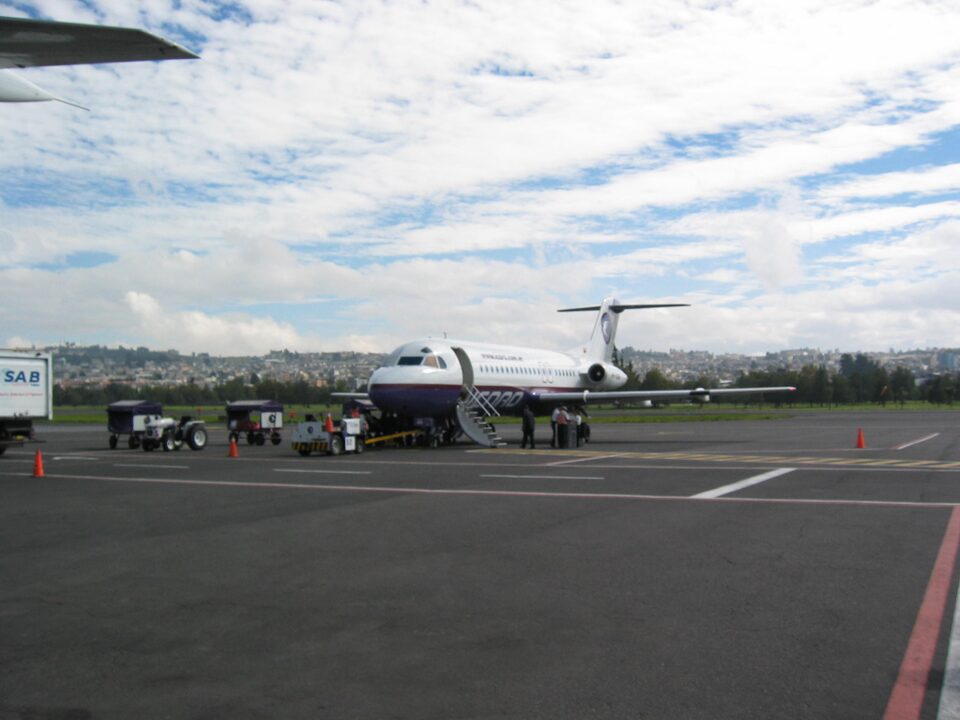
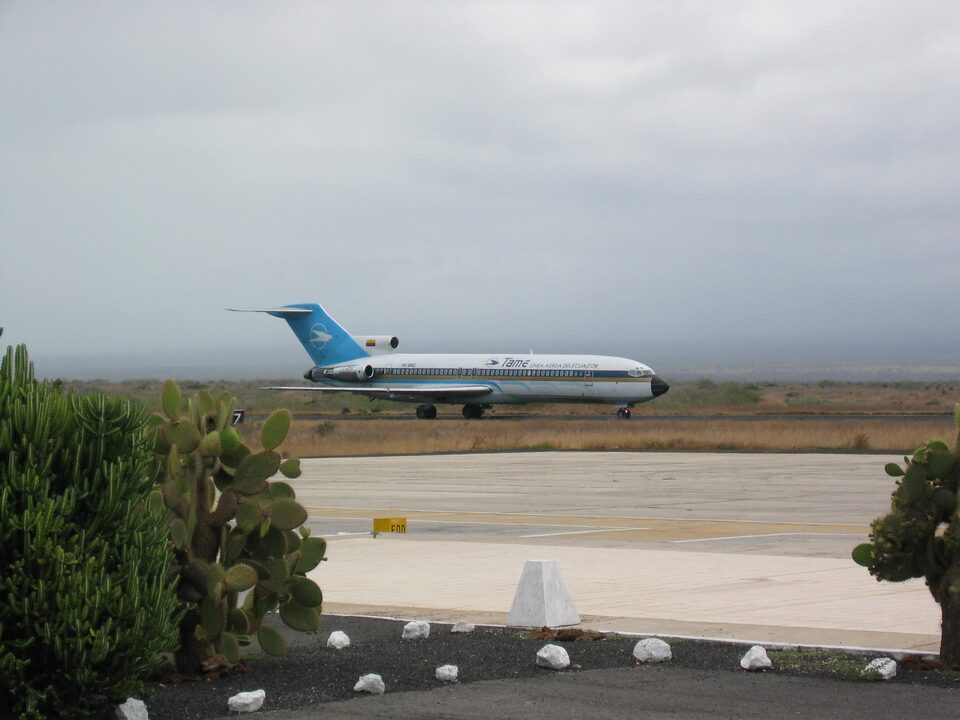
Quito airport is in the middle of the city and flying was pretty interesting as airplanes must take off and land quite fast in such thin air. Quito is also surrounded by over 4km high mountains so planes must navigate carefully..


White water rafting (River Blancho)
Our first activity was two-day white water river rafting in the western part of the country. As we both were novices we selected quite an easy river for the first time but it was still really fun. And so wet that I could not take too many pictures..
Our hotel was really nice and beautiful. A real treat!


Crossing the equatorial line
Ecuador is in the middle of the world and we crossed the equatorial line many times. We did one tour to a place about 20km north of Quito which has a monument and a museum at the equatorial line. My GPS (WGS84) thought that the line was about 200m north from the monument, though.
We also crossed the line twice during our Galapagos trip.


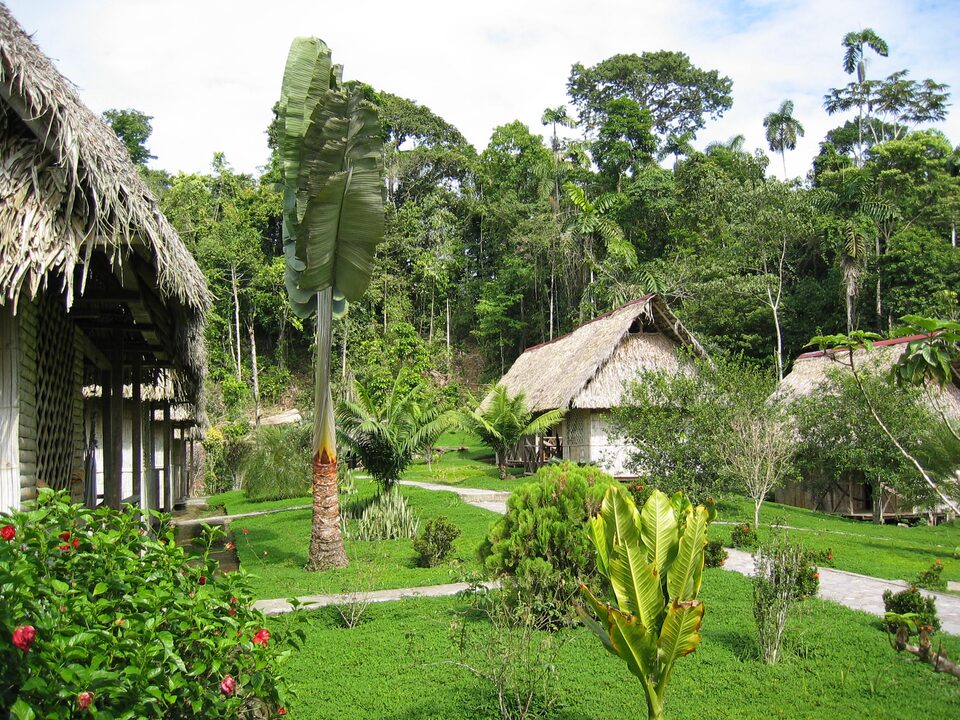
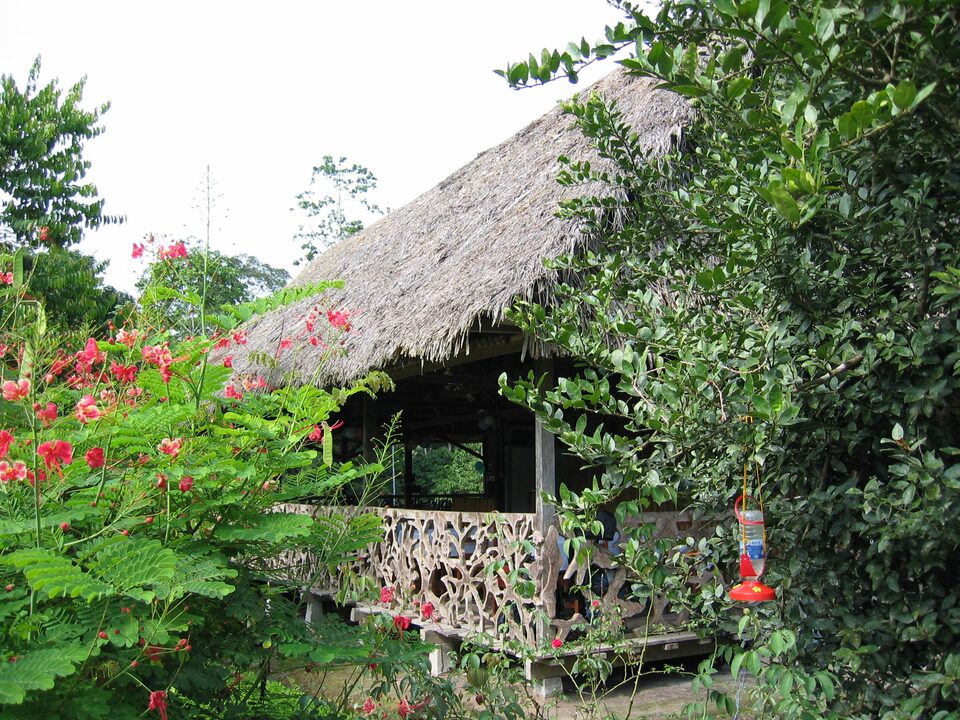
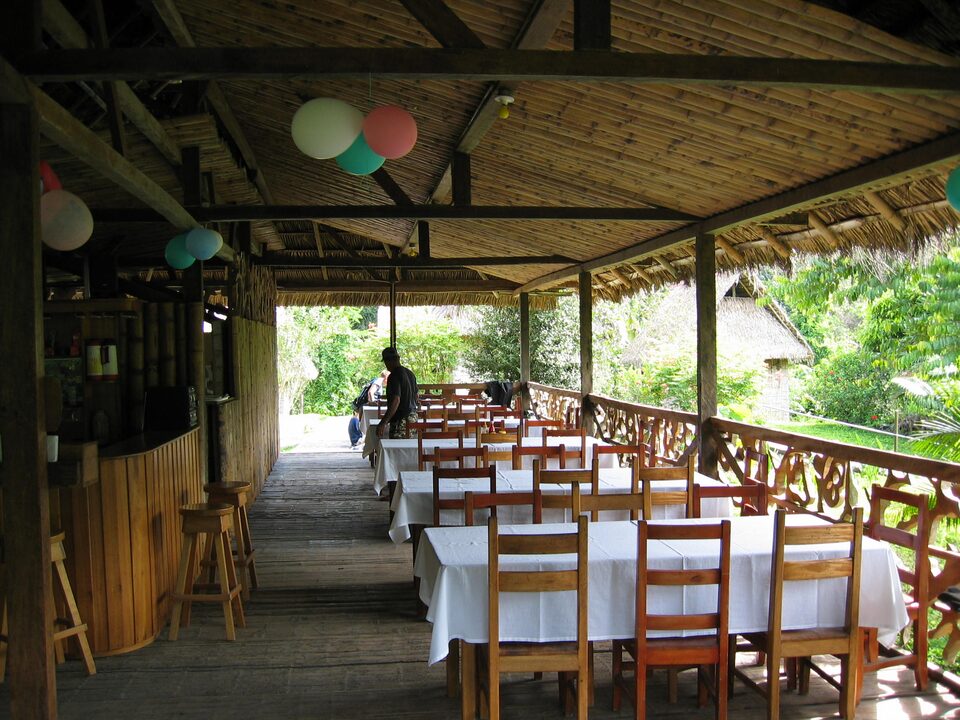
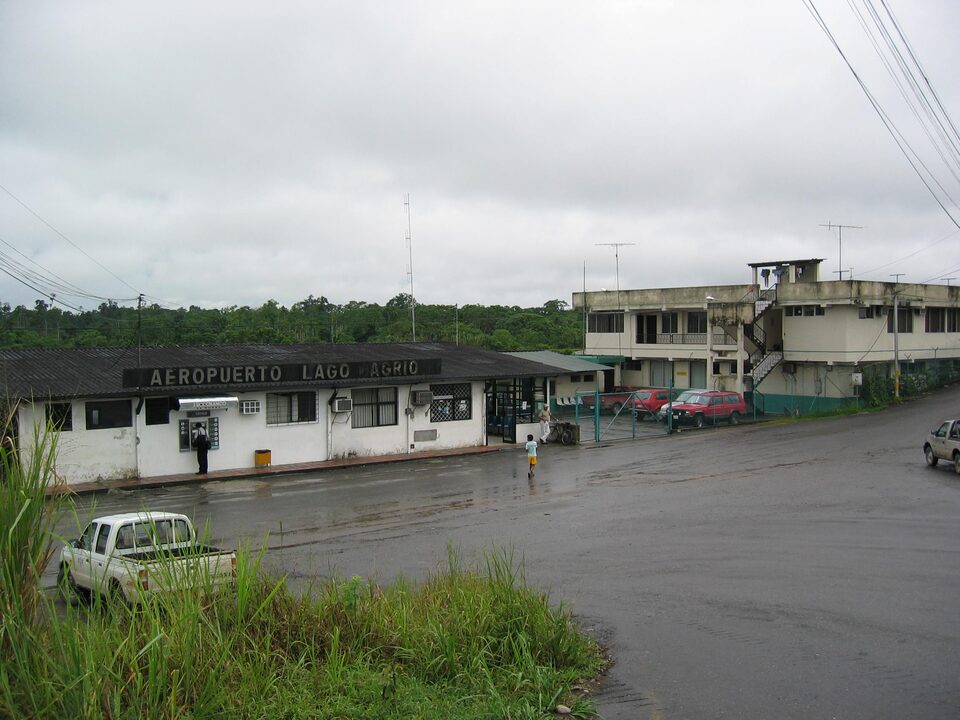
Yarina lodge - Amazon
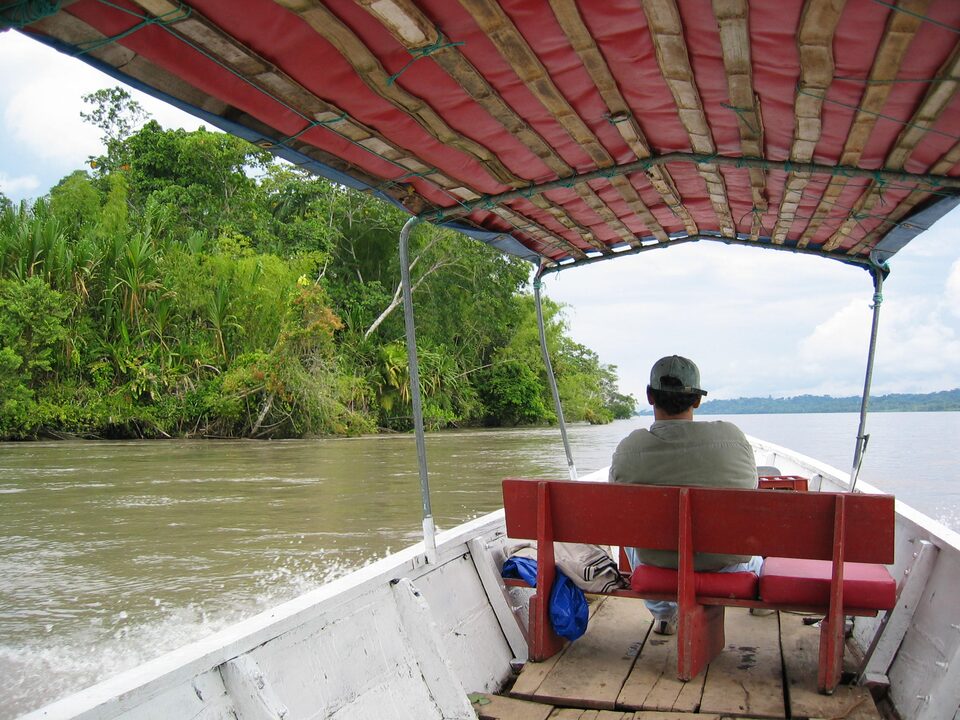
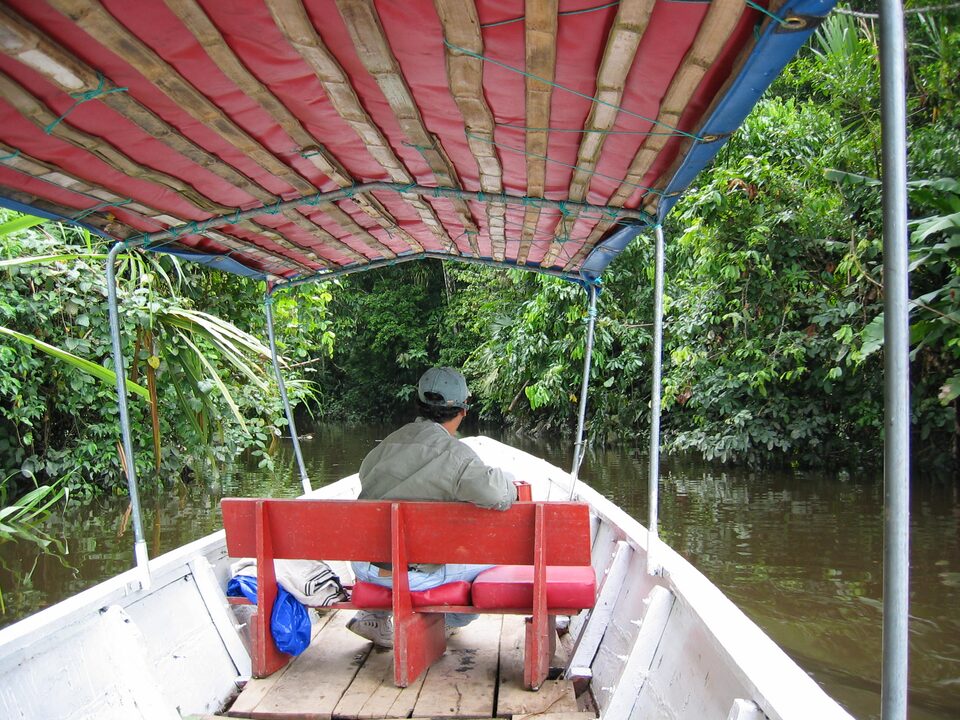
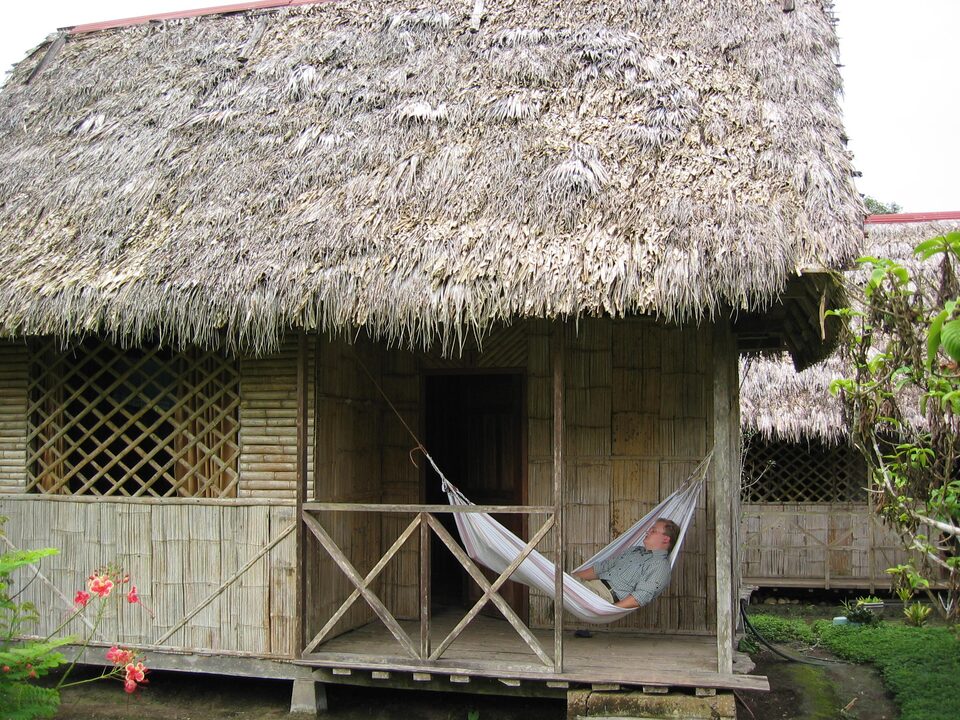
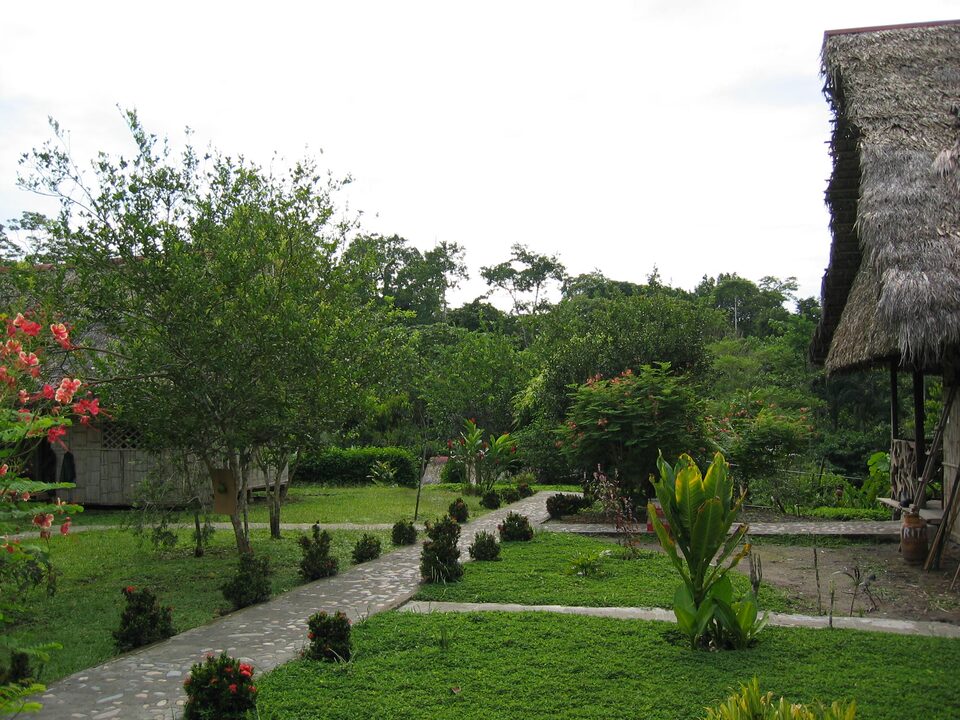
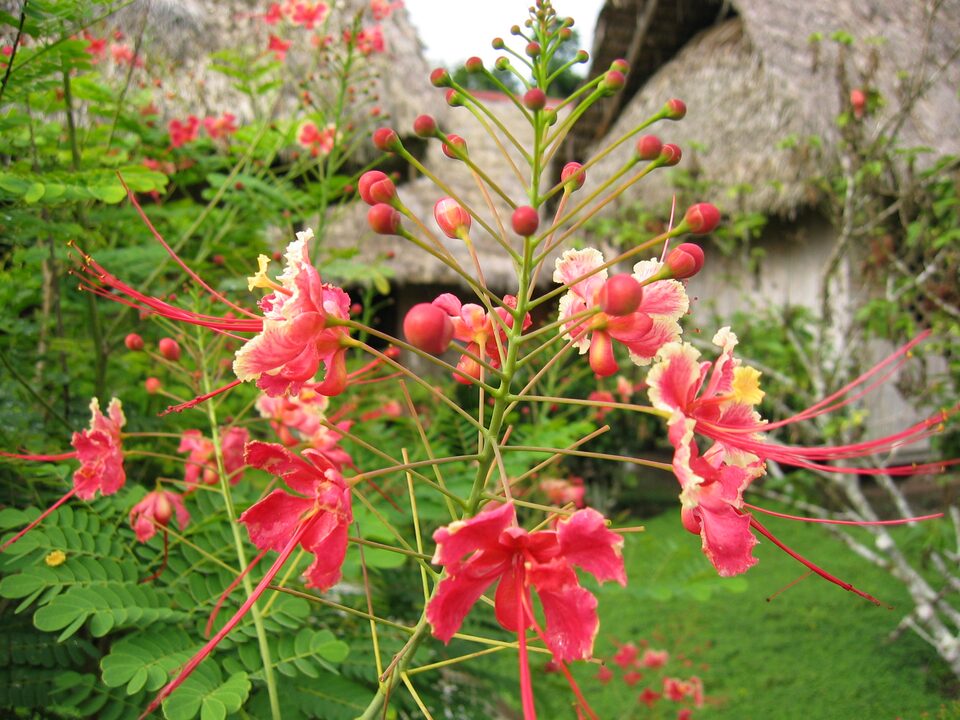
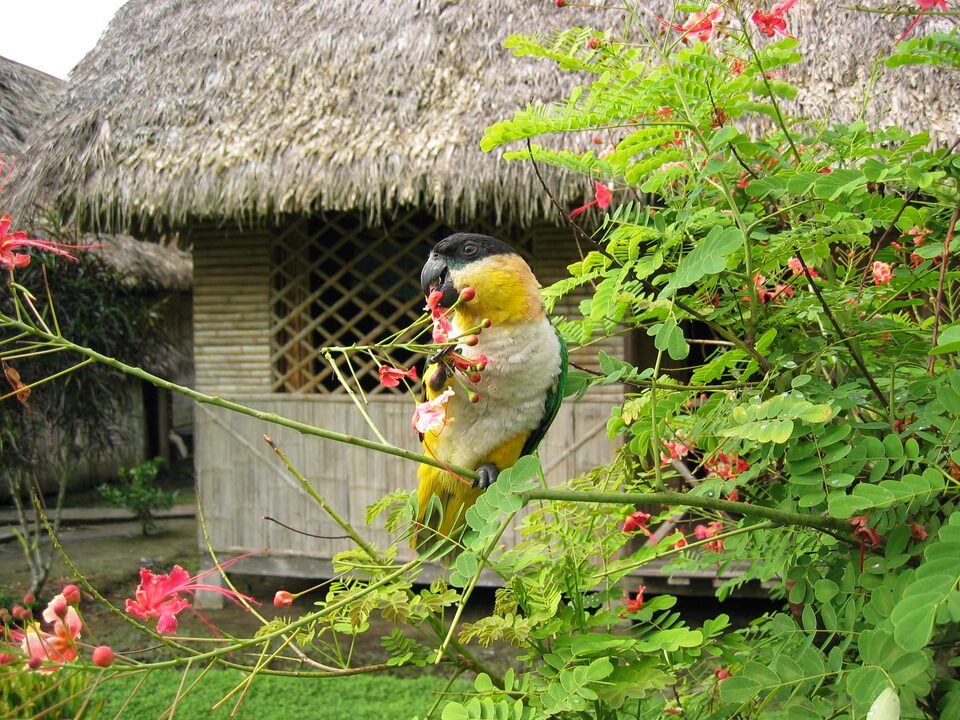
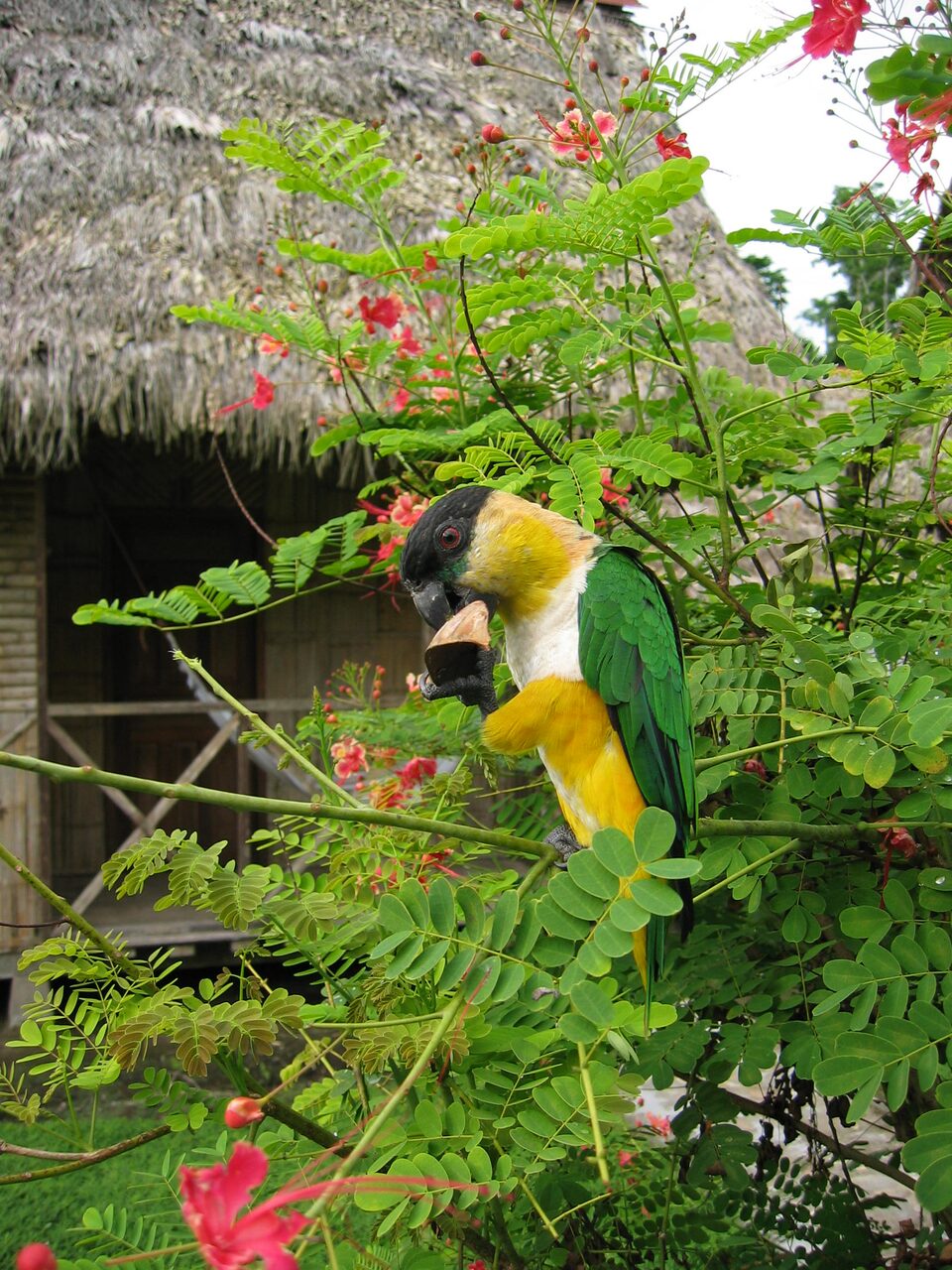
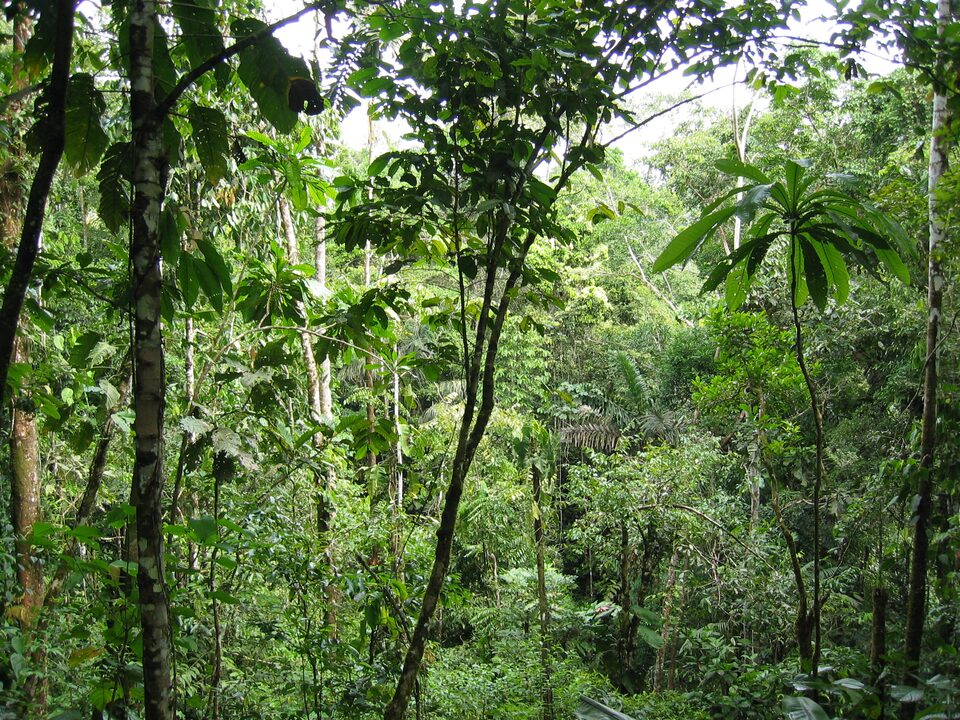
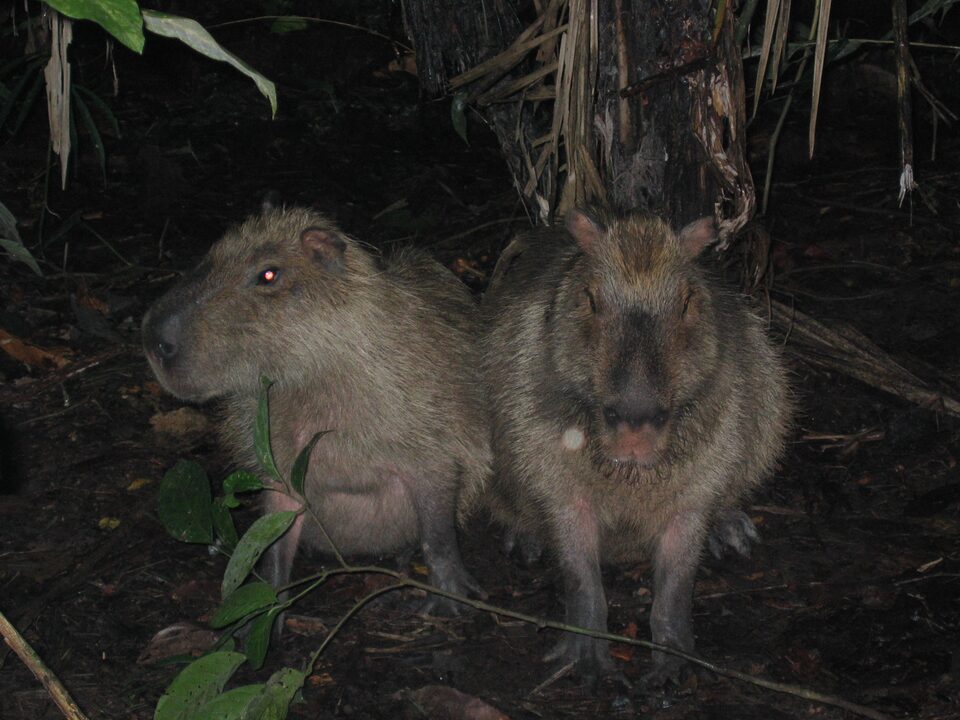
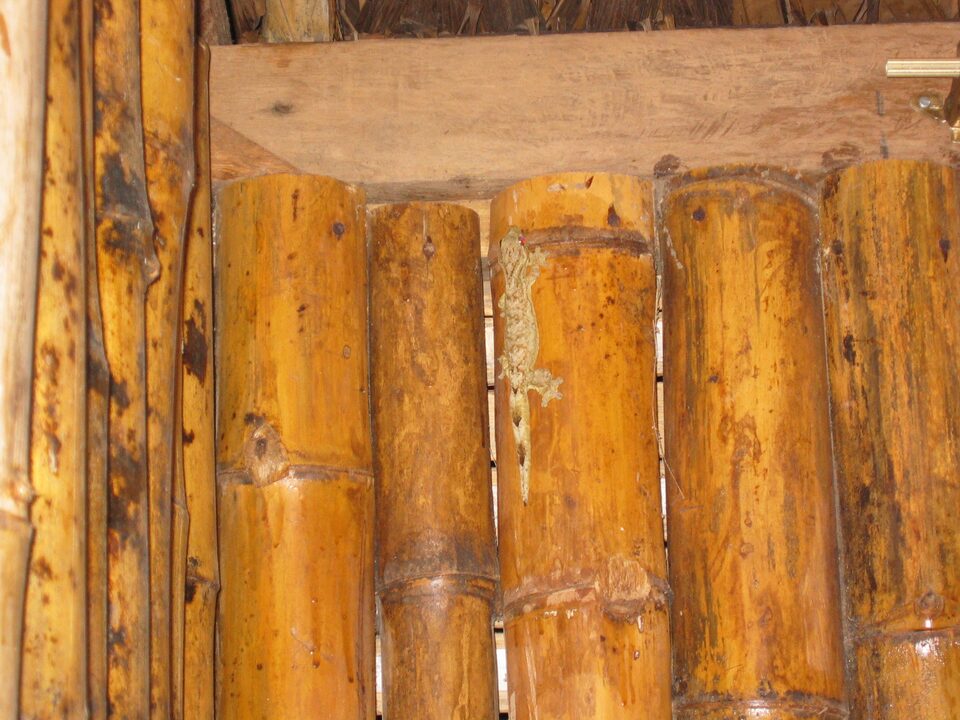
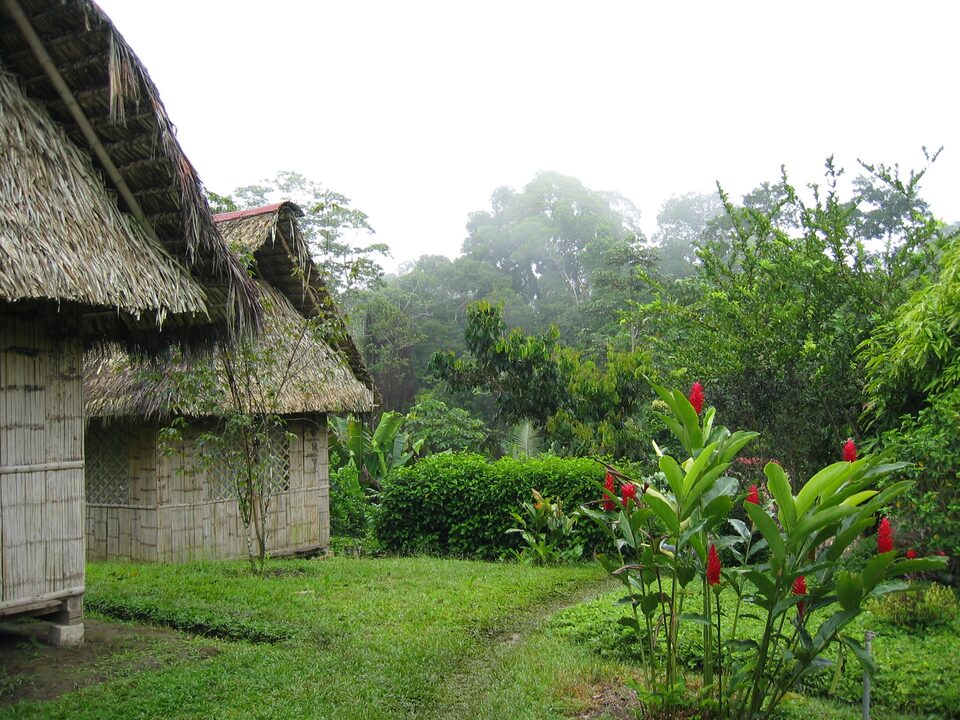
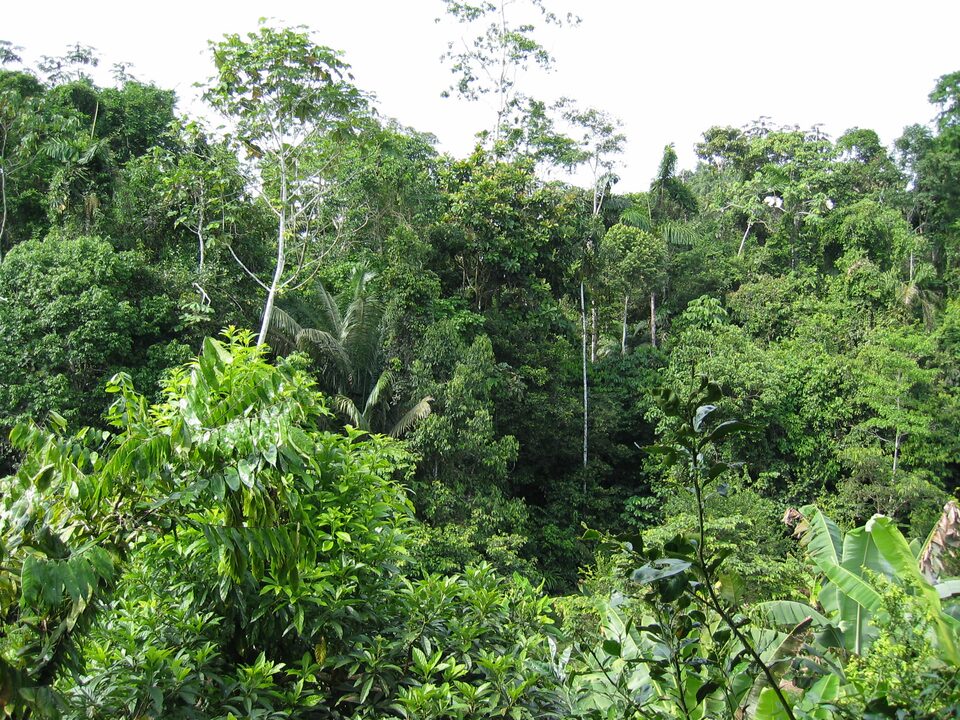
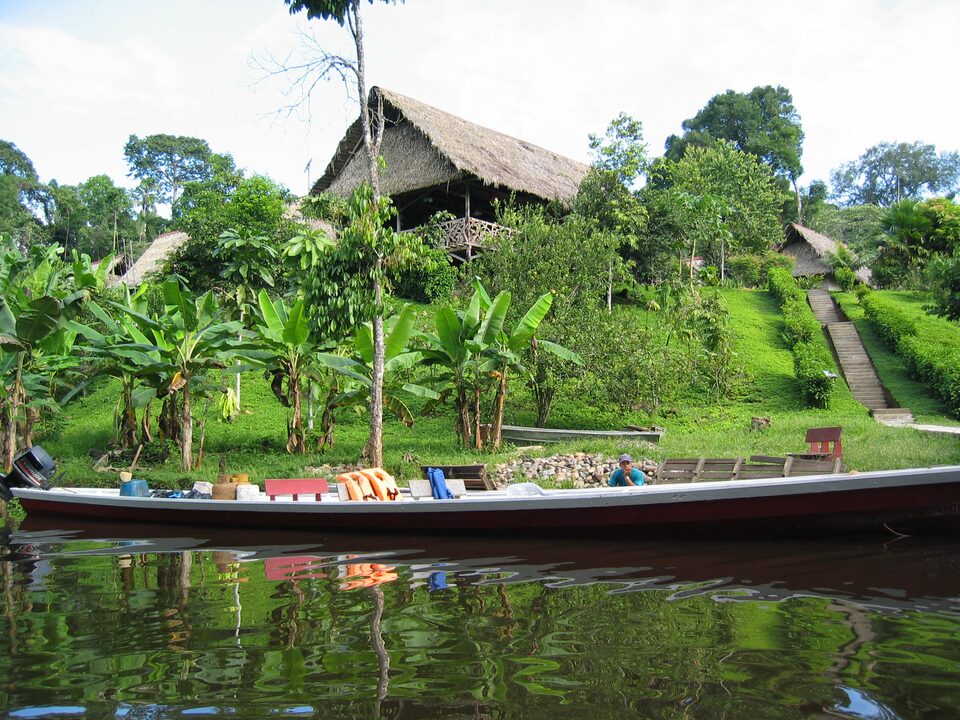
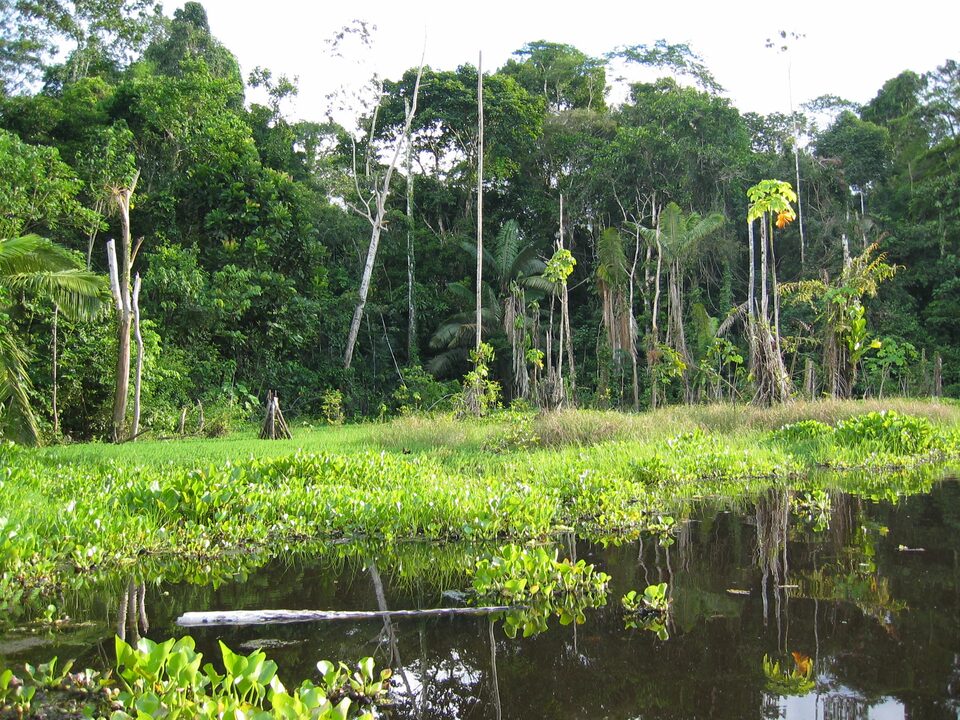
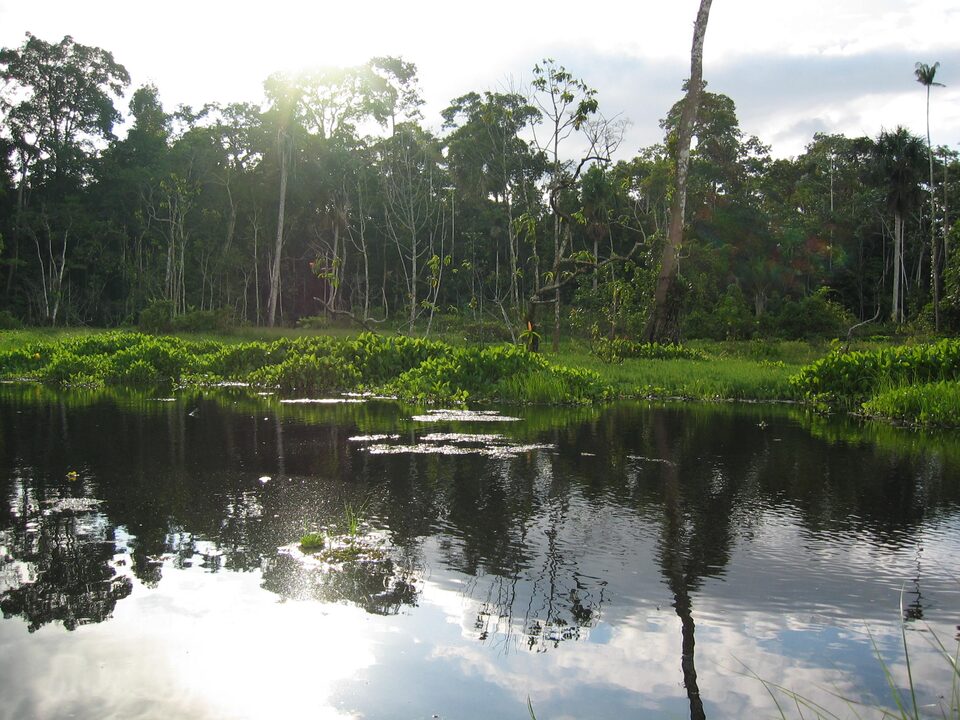
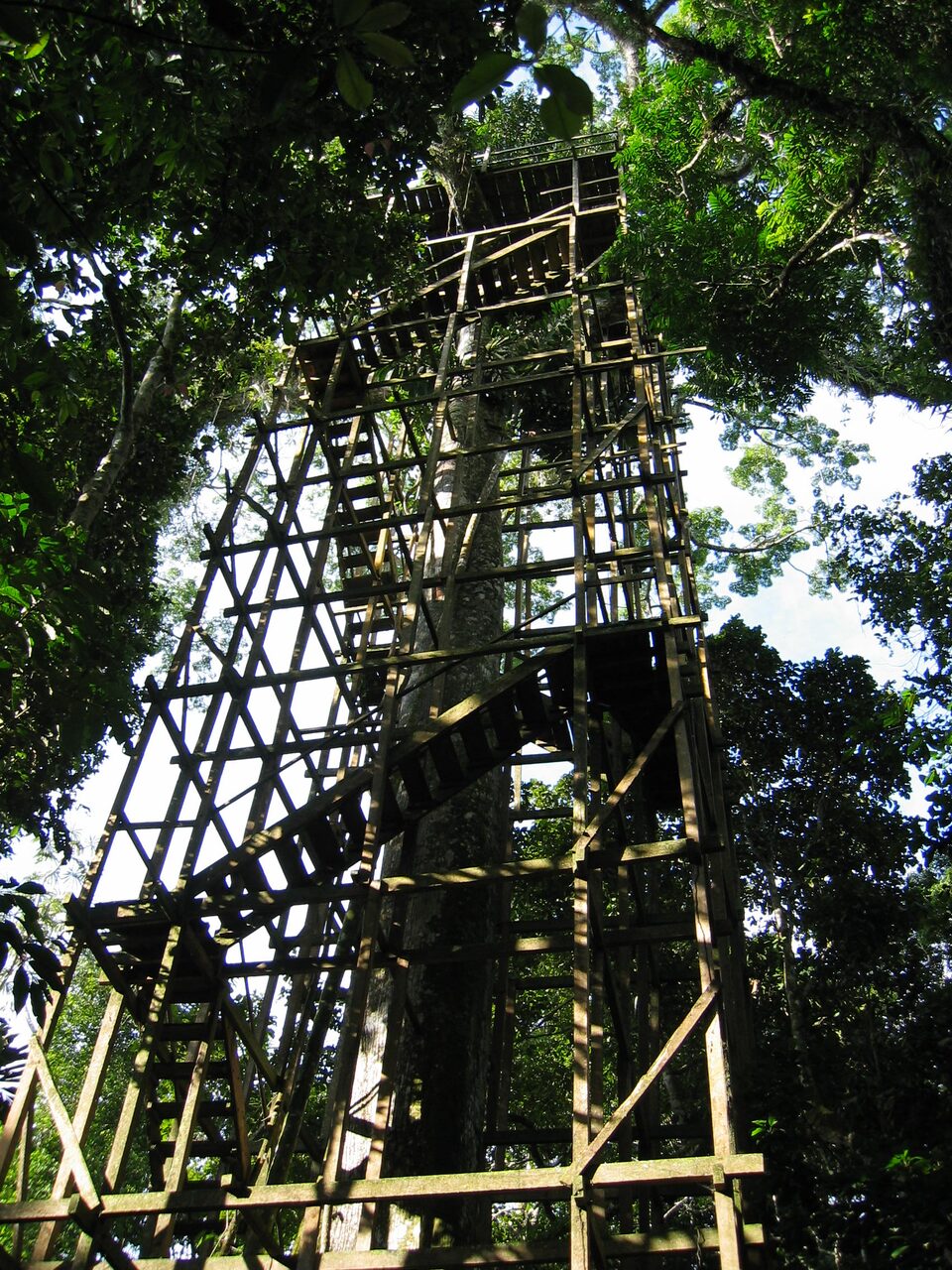
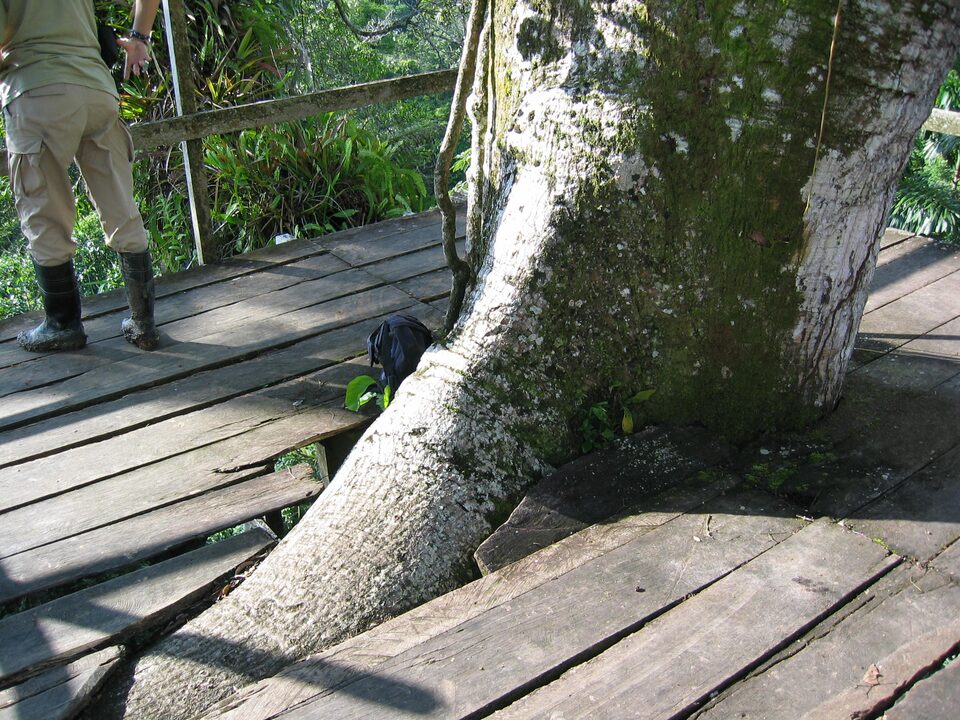
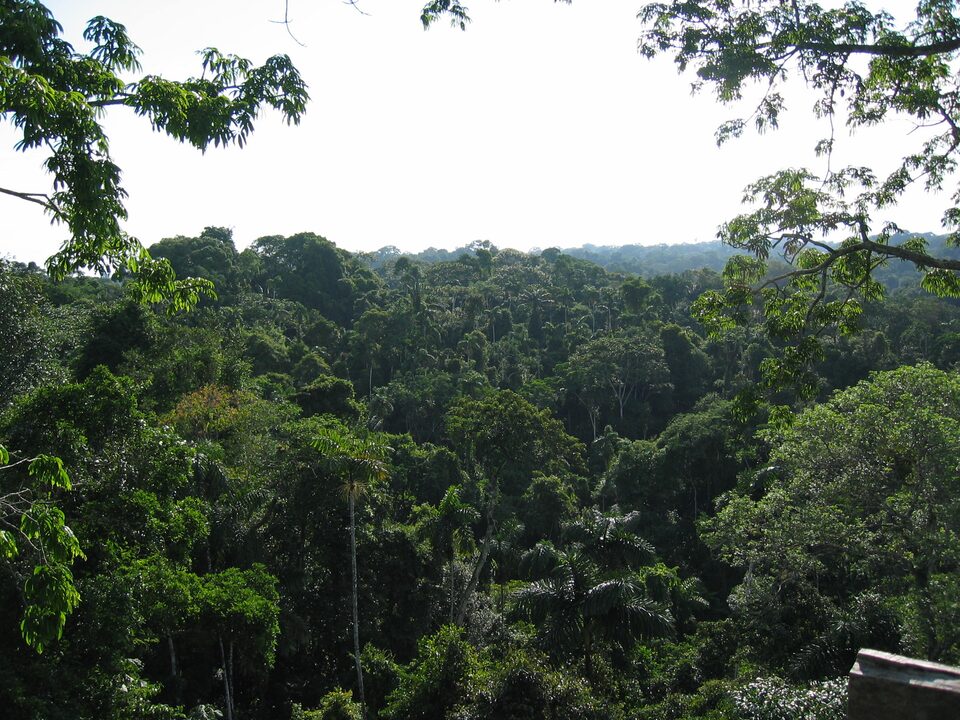
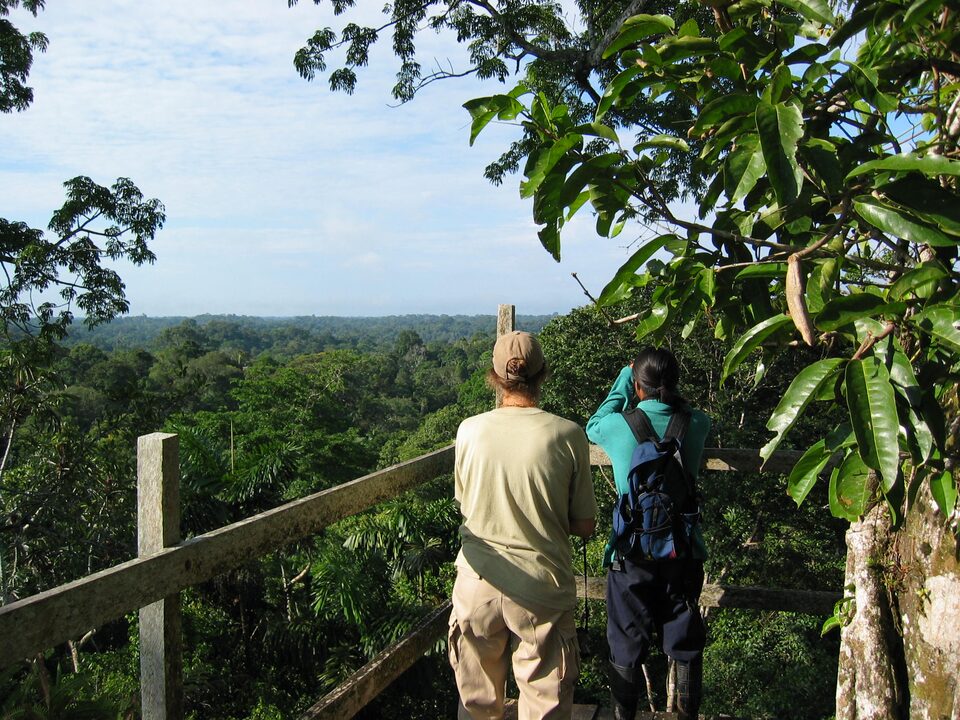
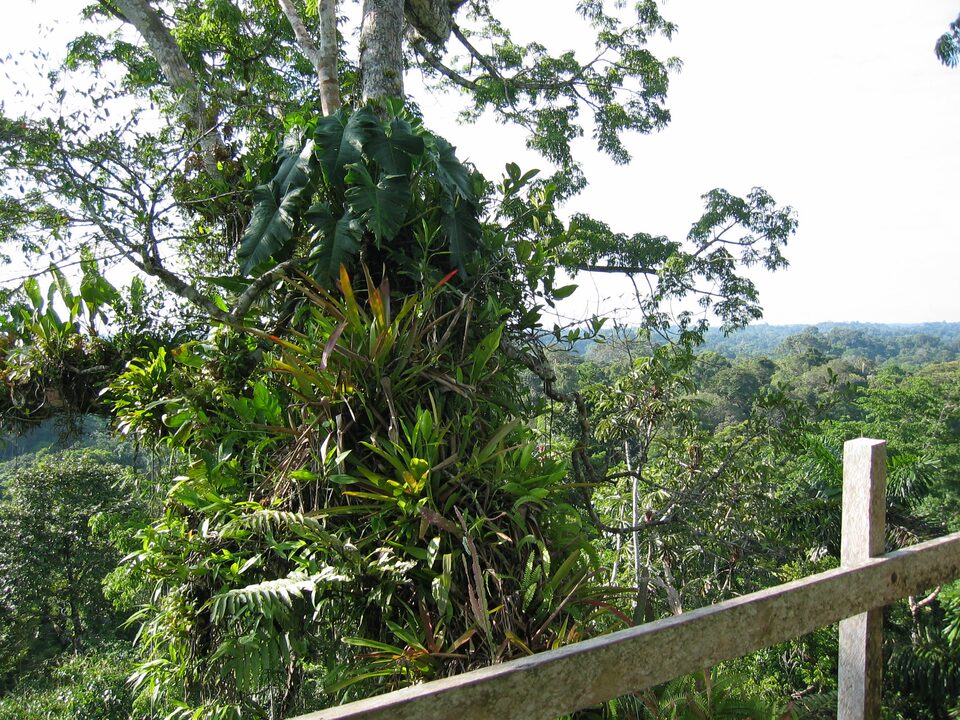
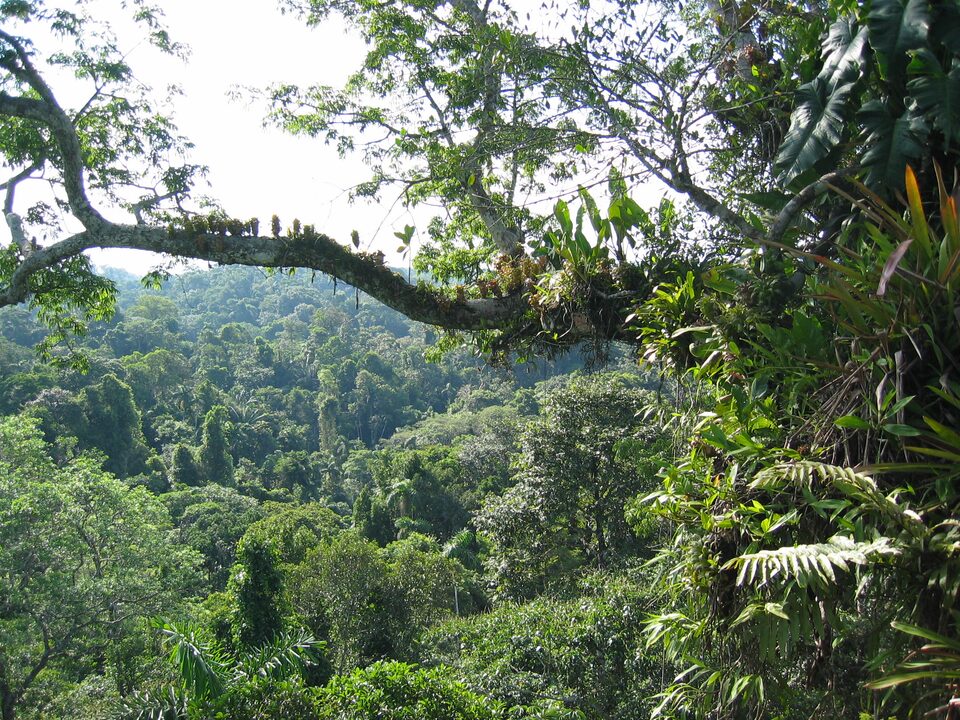
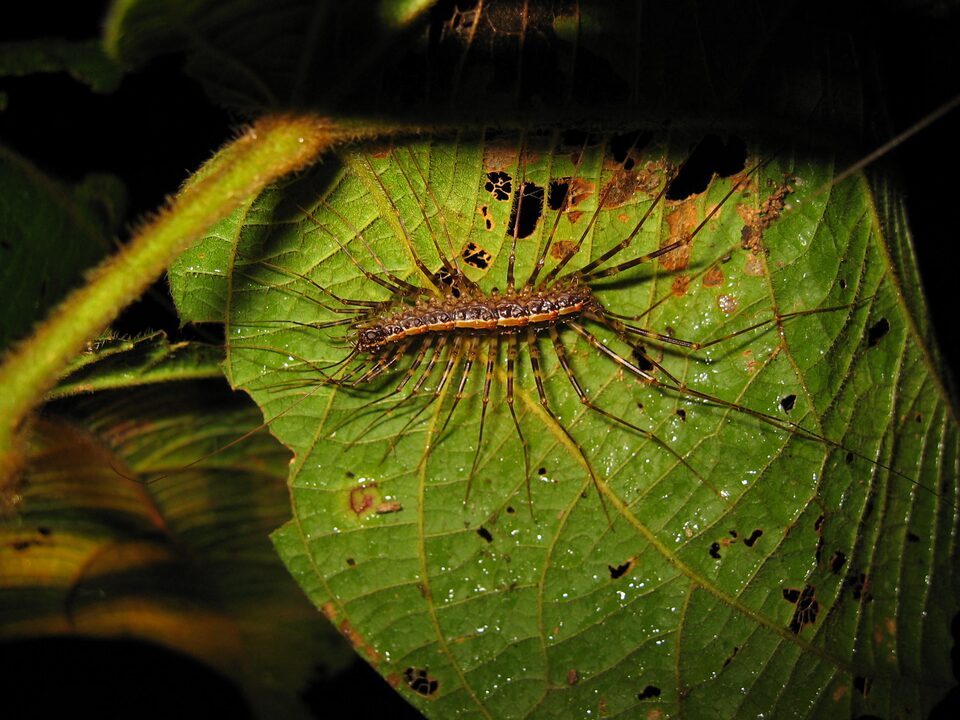
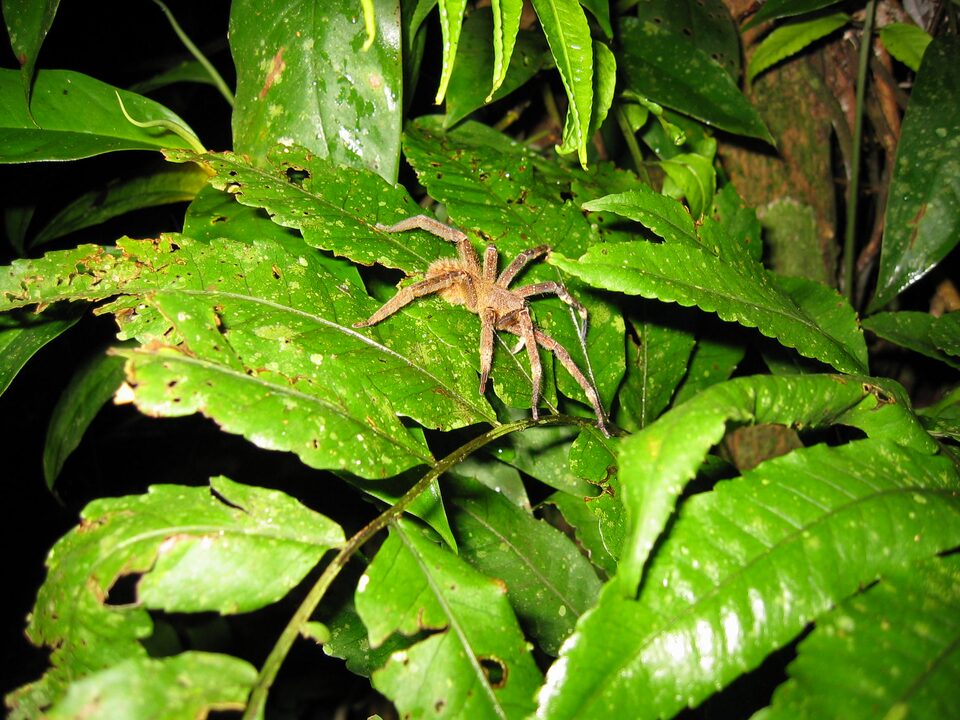
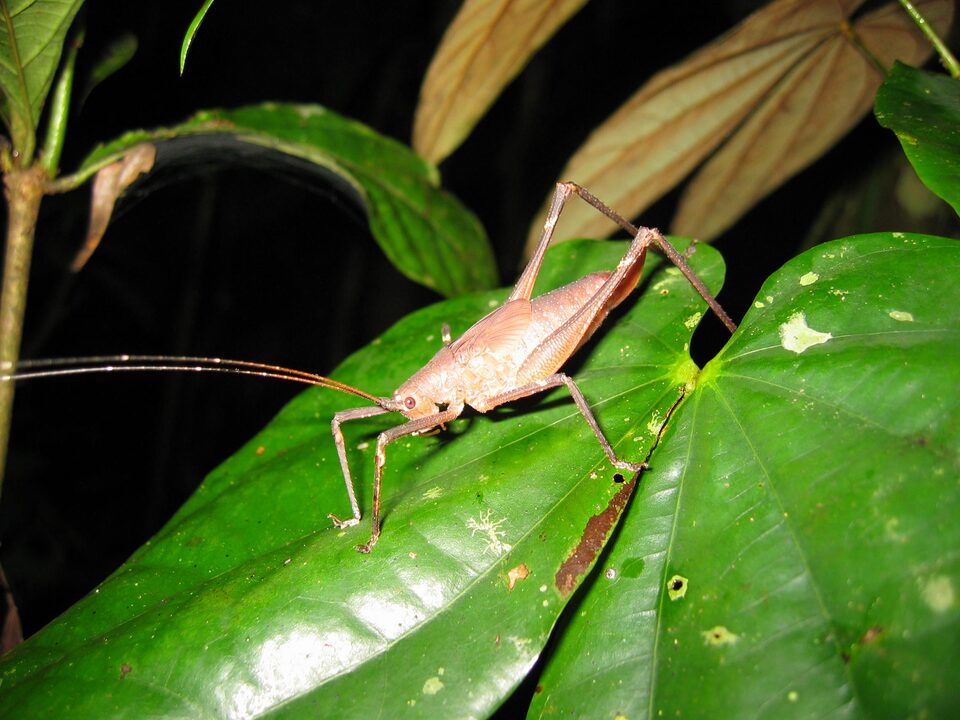
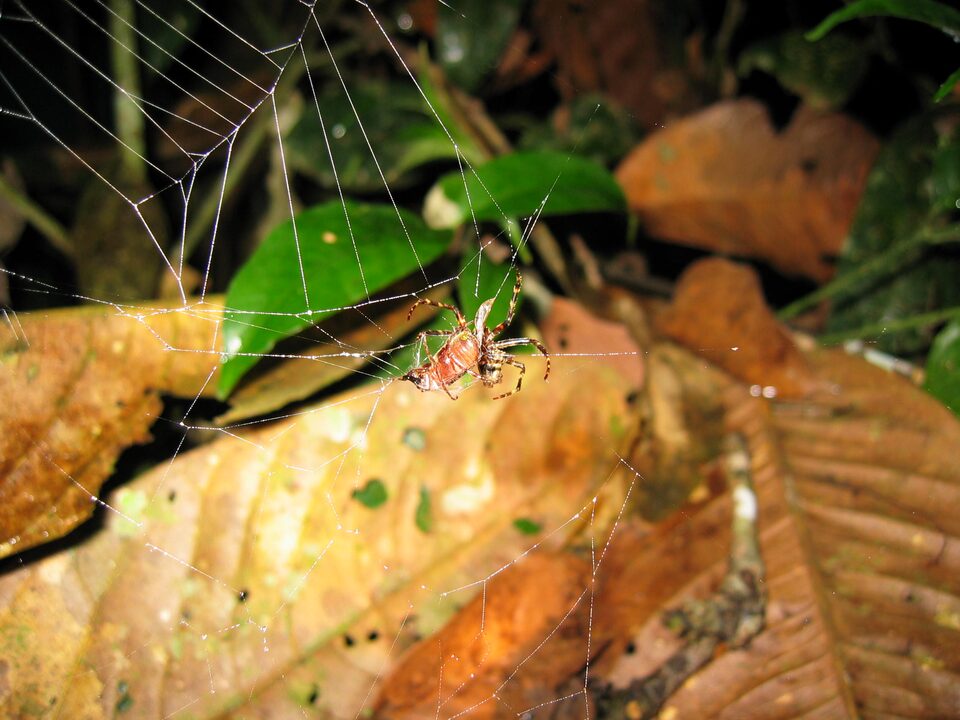
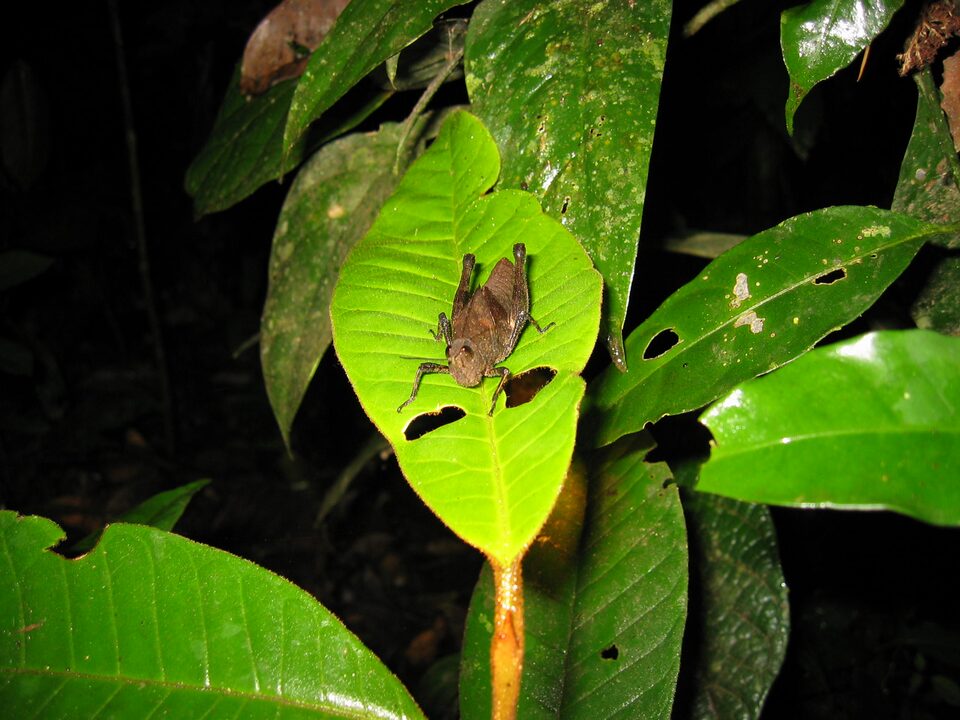
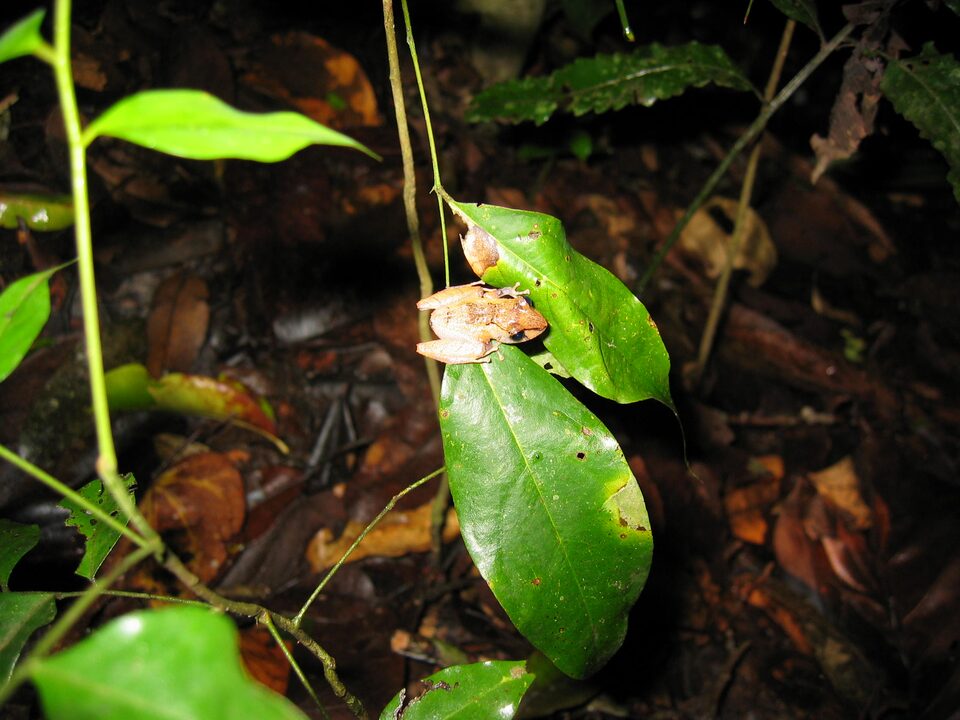
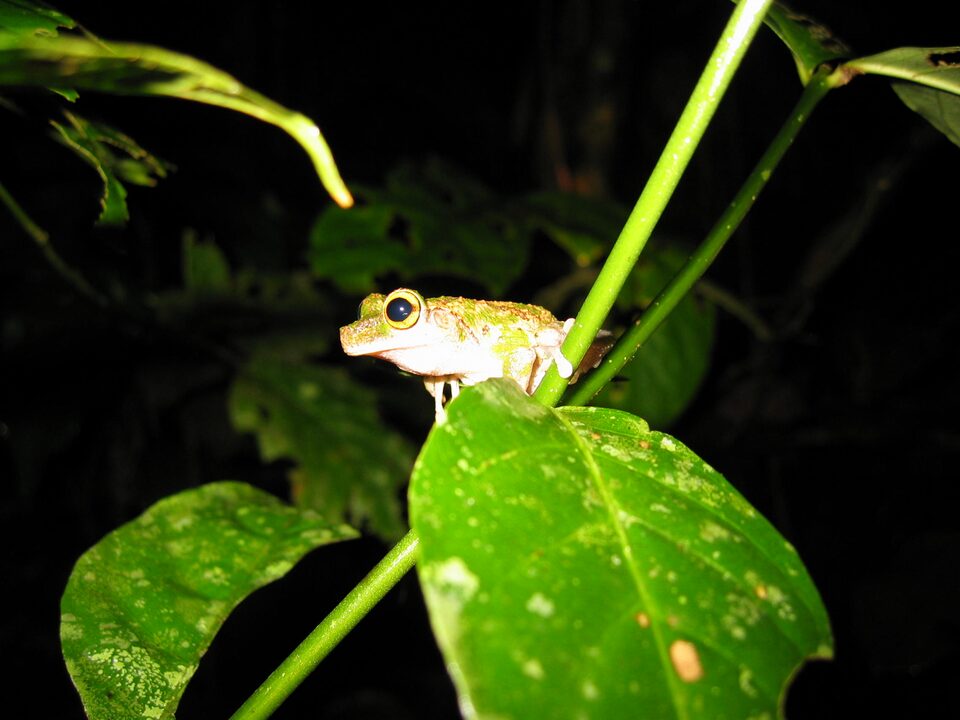
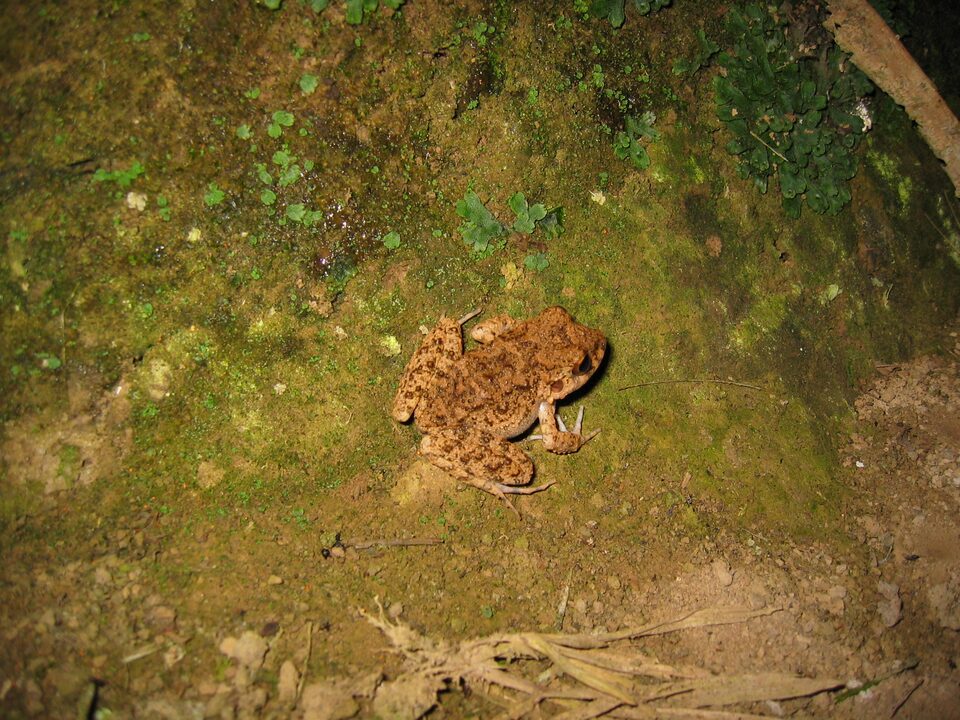
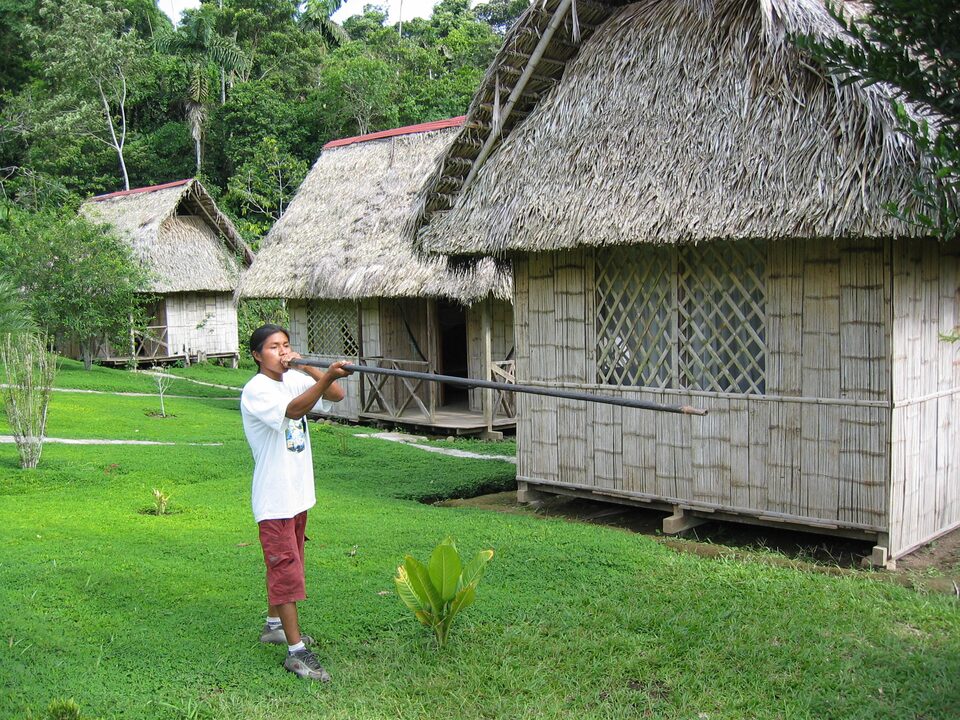
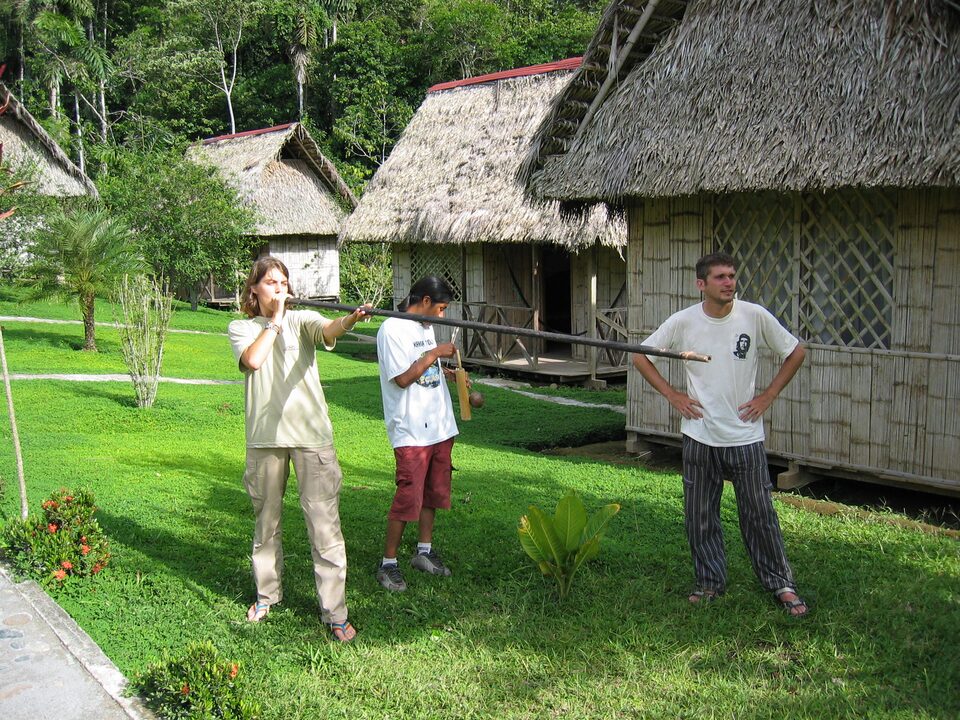
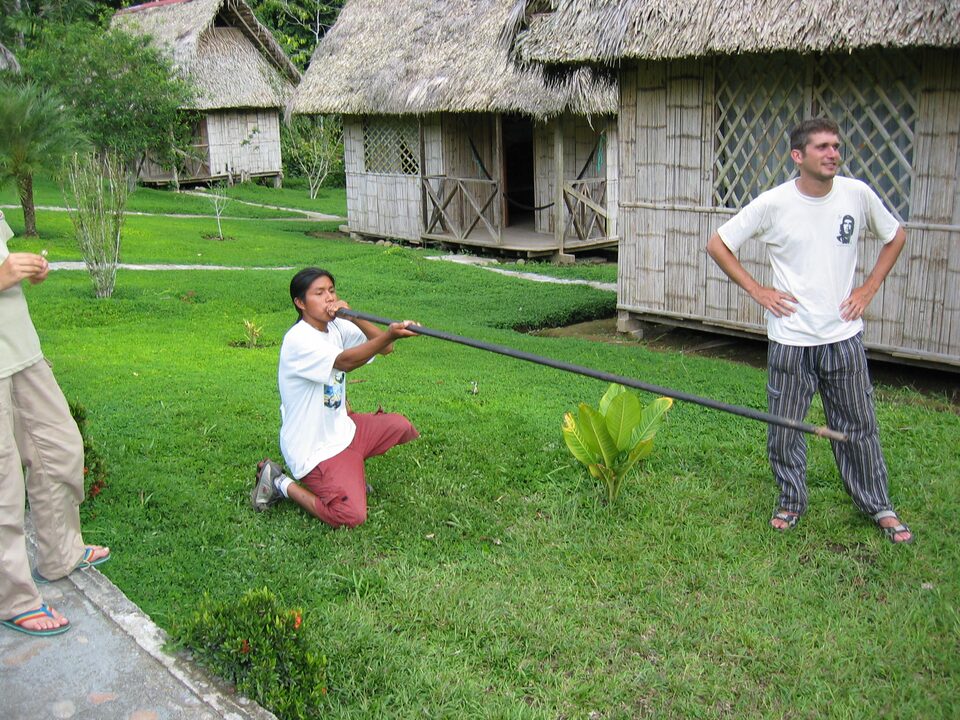
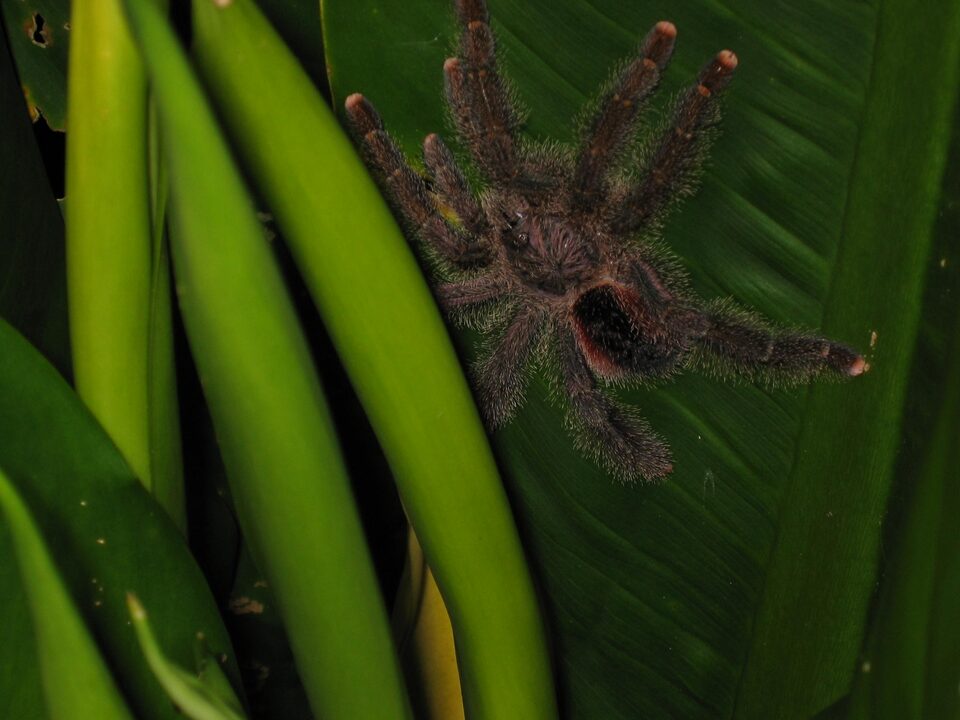
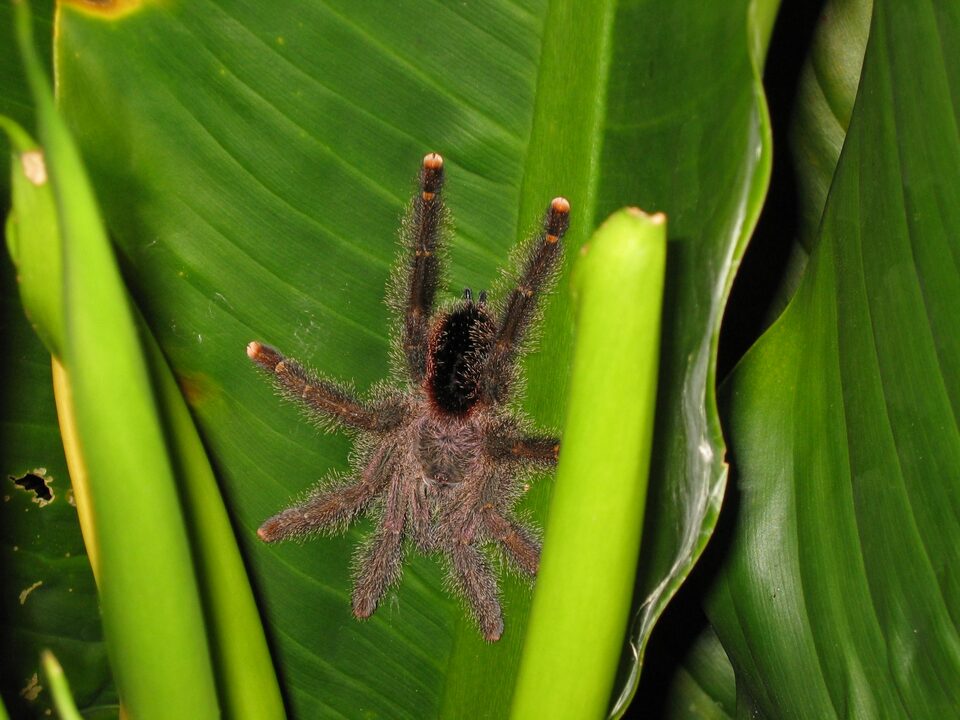
After rafting we headed to the Amazon. We had reserved a five day trip to Yarina lodge at Napo river. From the lodge we did 2-3 walks or canoe trips to the jungle daily. The rest of the time was spent relaxing at the lodge. In the thick jungle one cannot see many animals but the sound of the jungle was nice (and loud!).
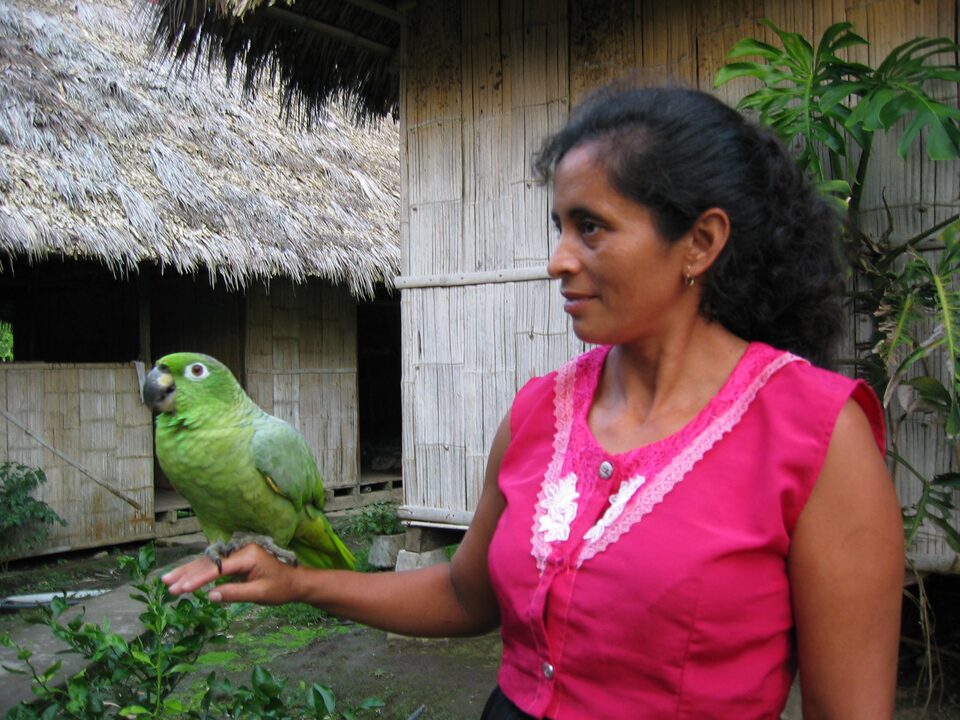
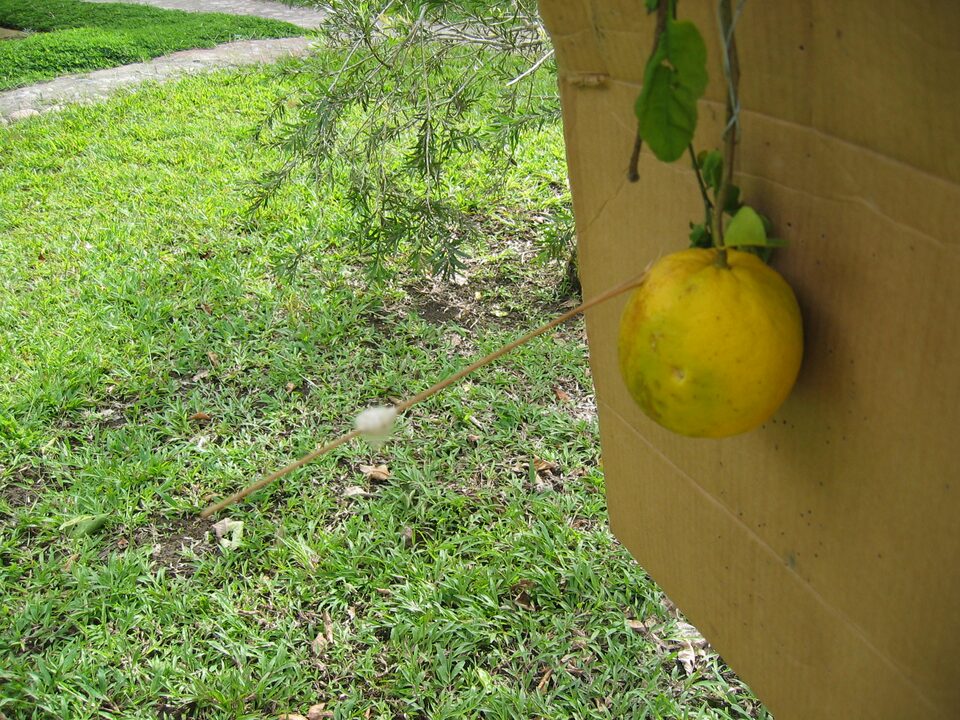
We had a native guide, Carlos, and a translator, Cecilia. Carlos knew the animals and plants very well and explained how different plants were used by the natives.
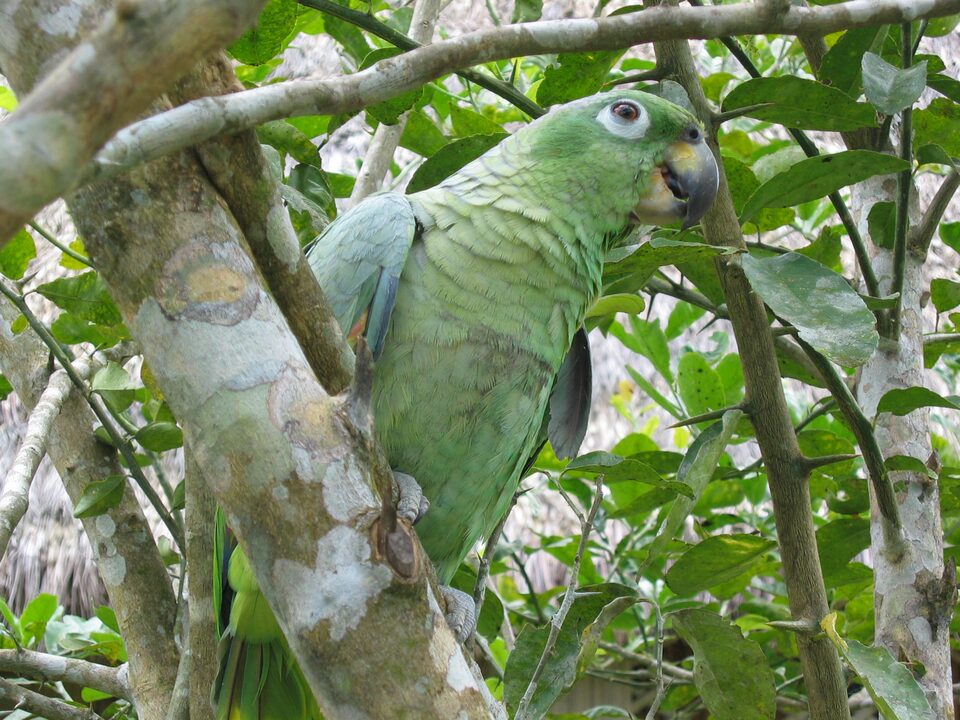
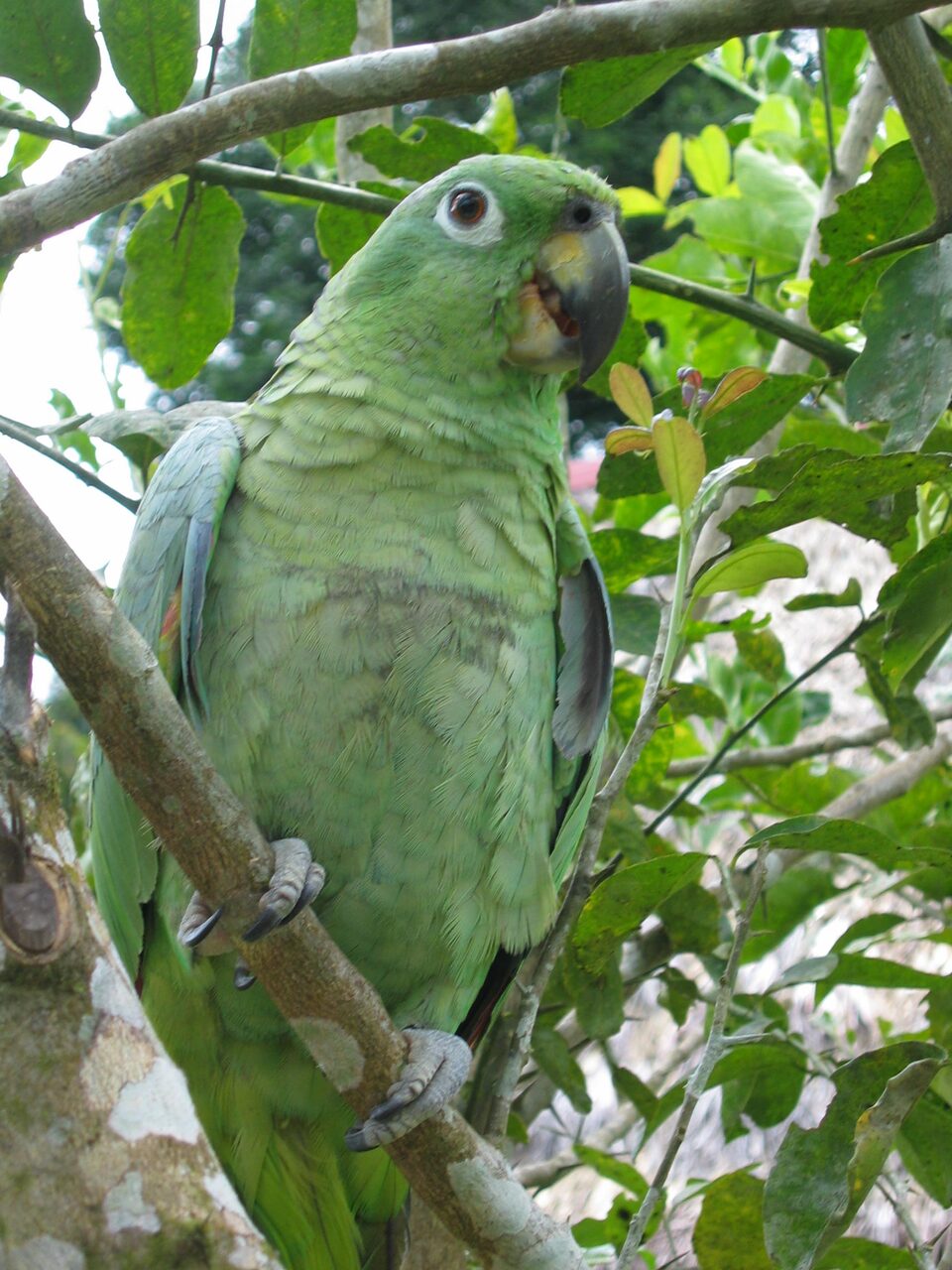
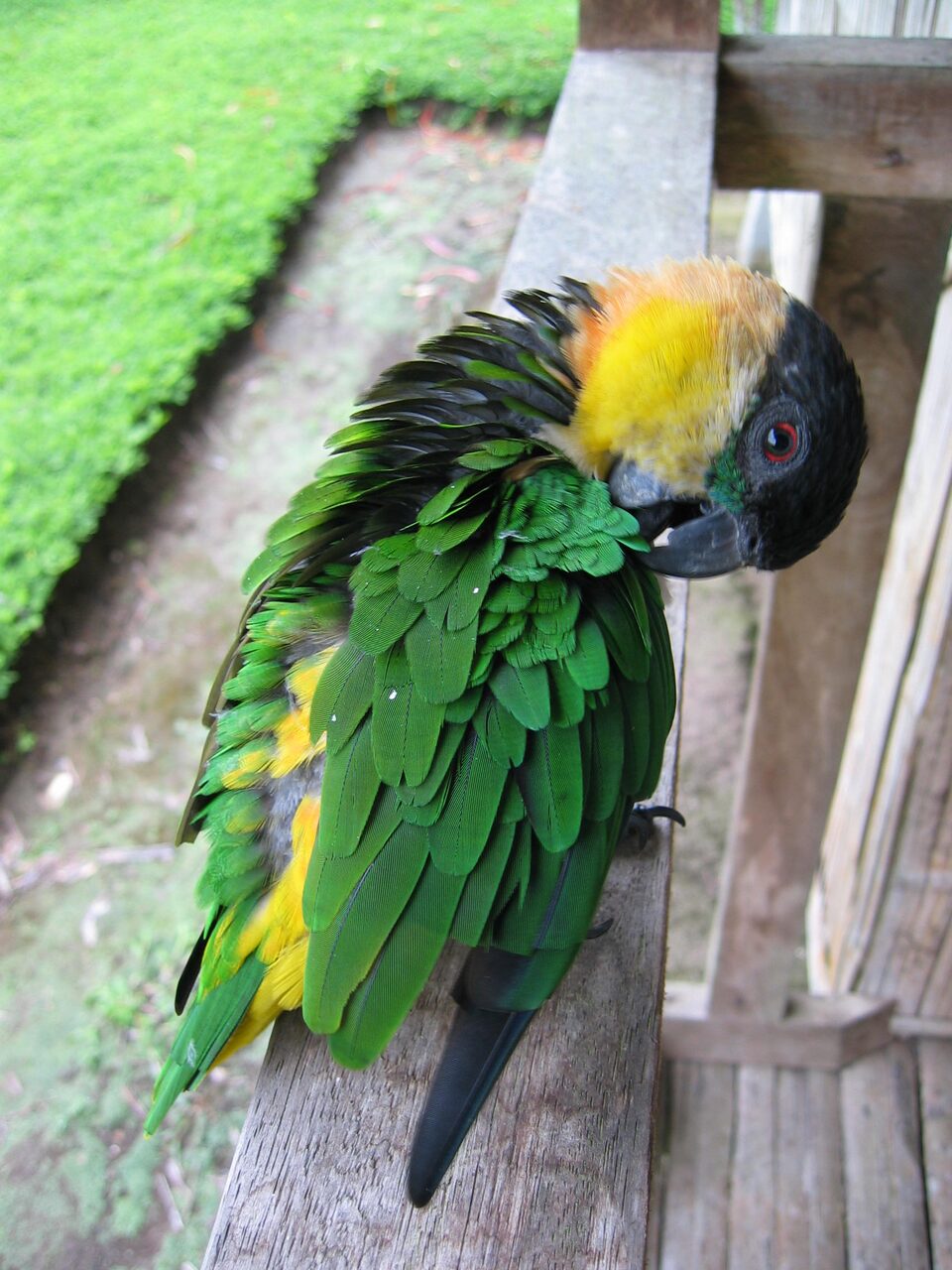
The lodge was taken care of by a family living there. We had lots of fun with their three pet parrots (during one afternoon siesta I was wondering how the kids had so much energy to fight but it was actually one parrot show and not the kids).
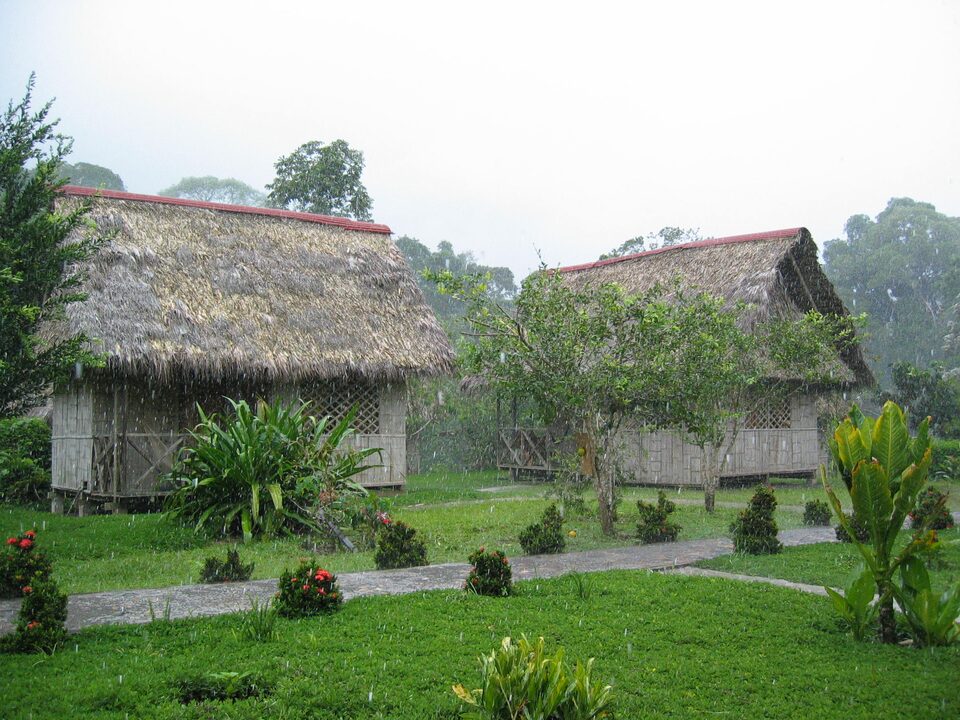
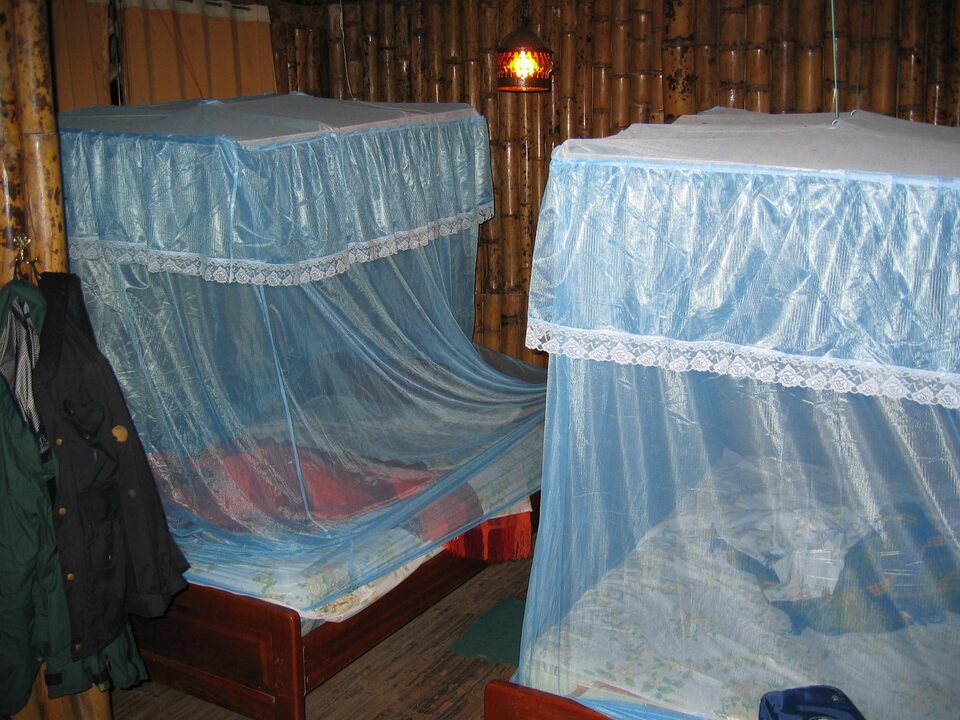
The lodge was a pretty inexpensive and very cozy place. It is one of the few places I have visited that I really miss.


Downhill (and some uphill) biking
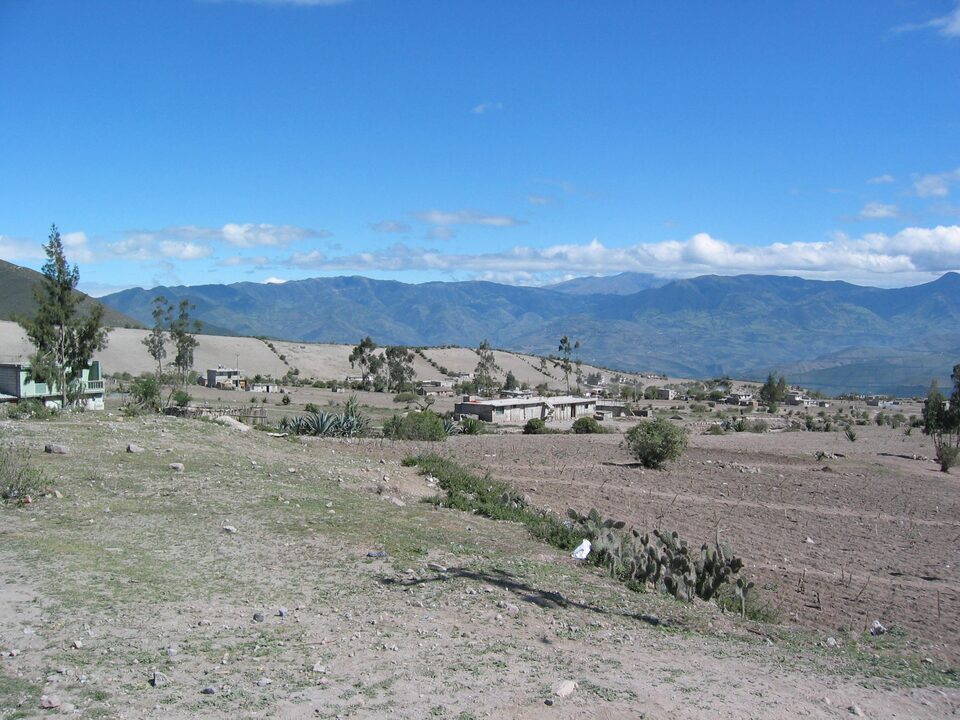
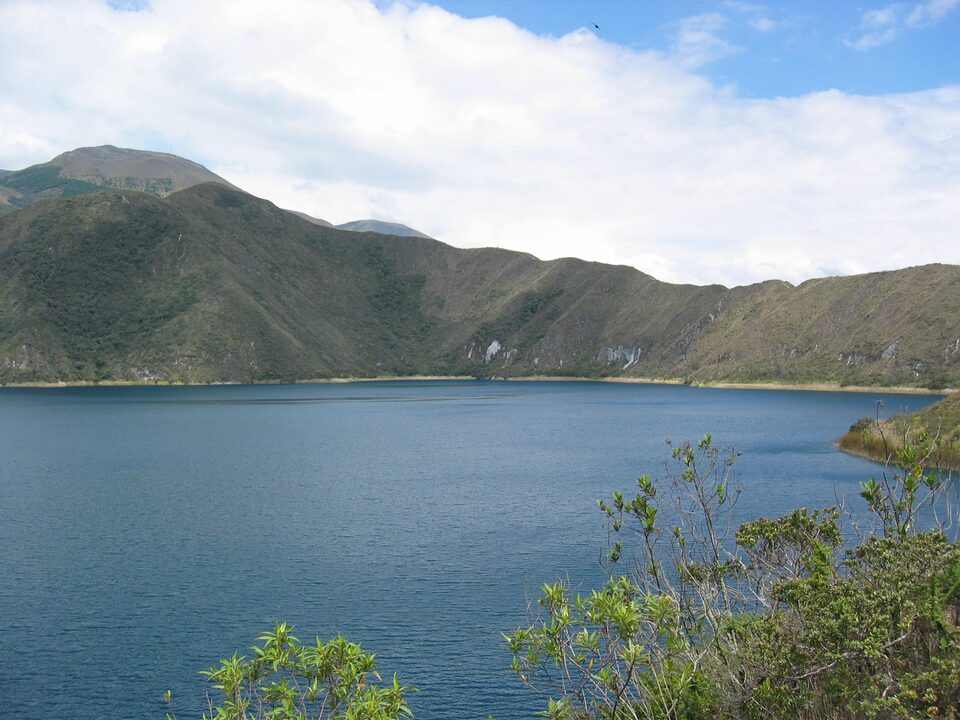
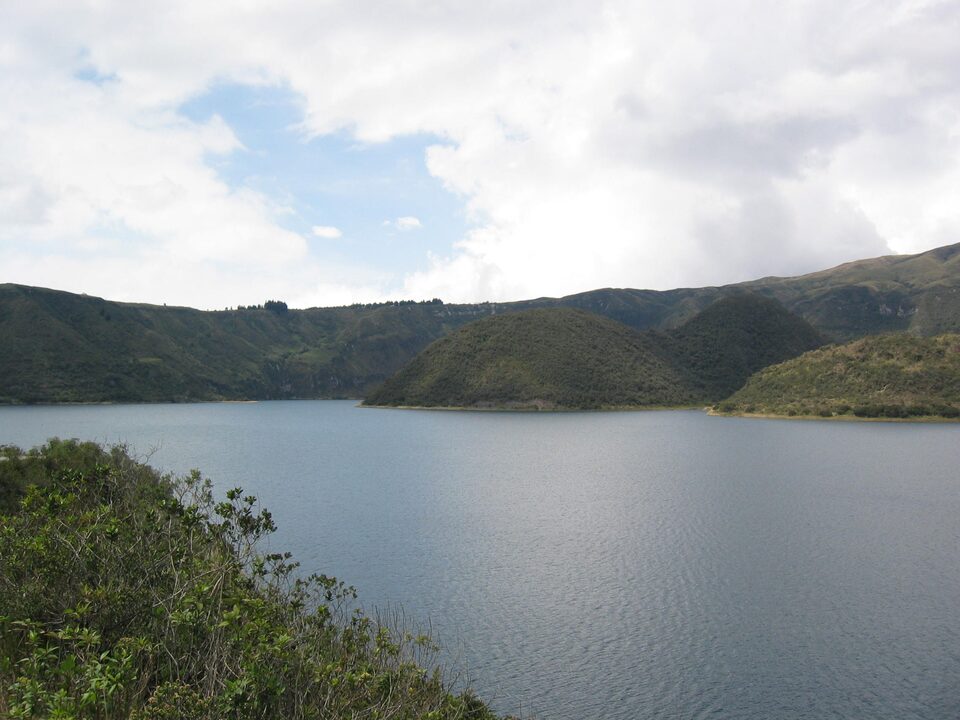
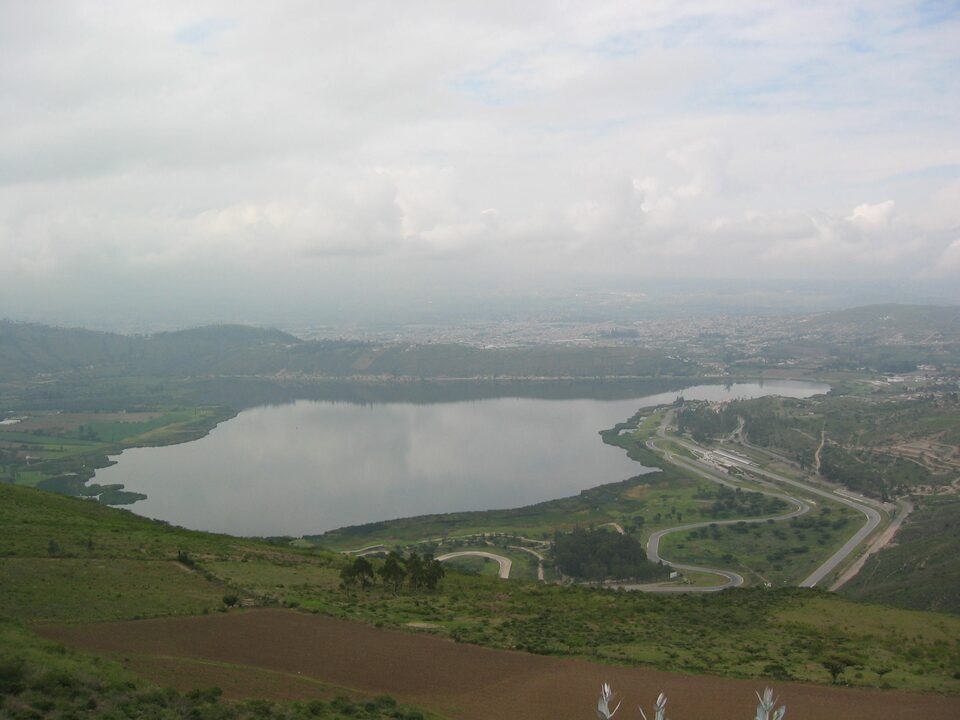
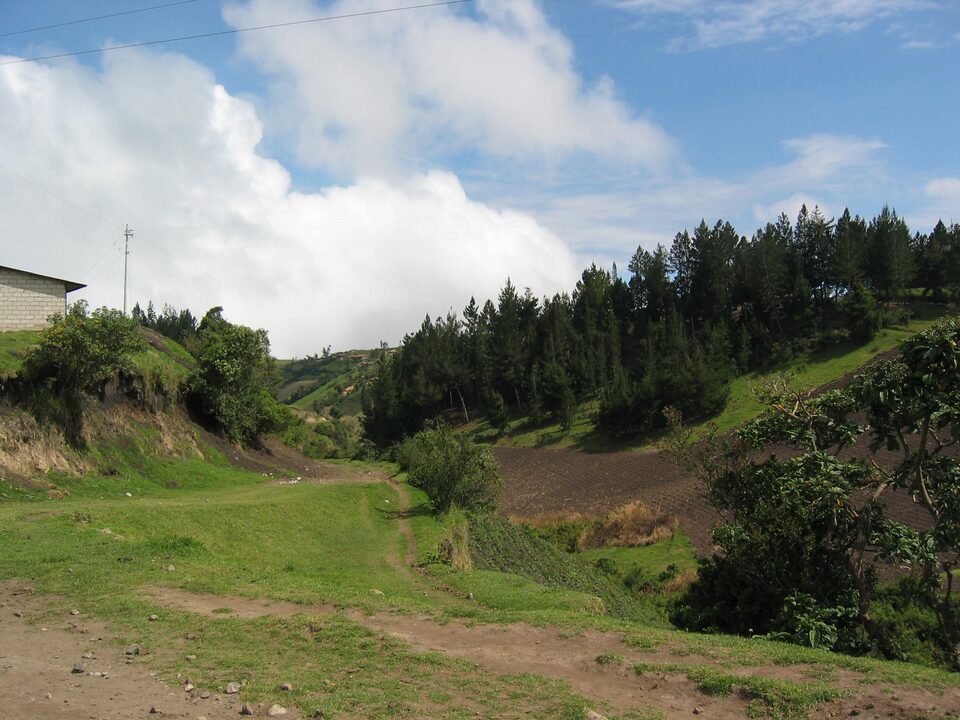
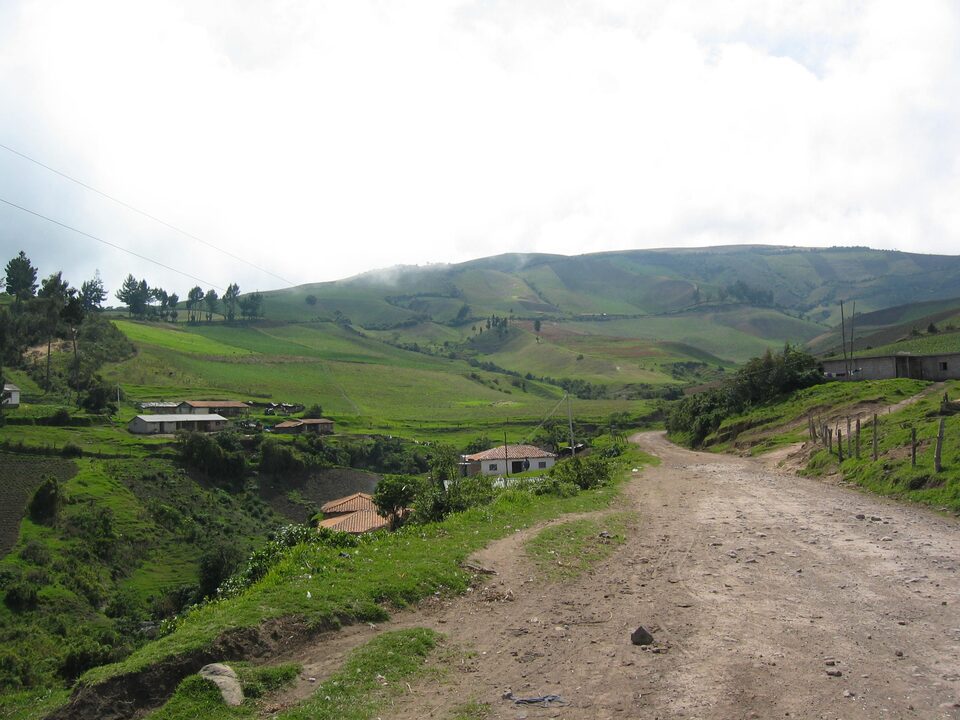
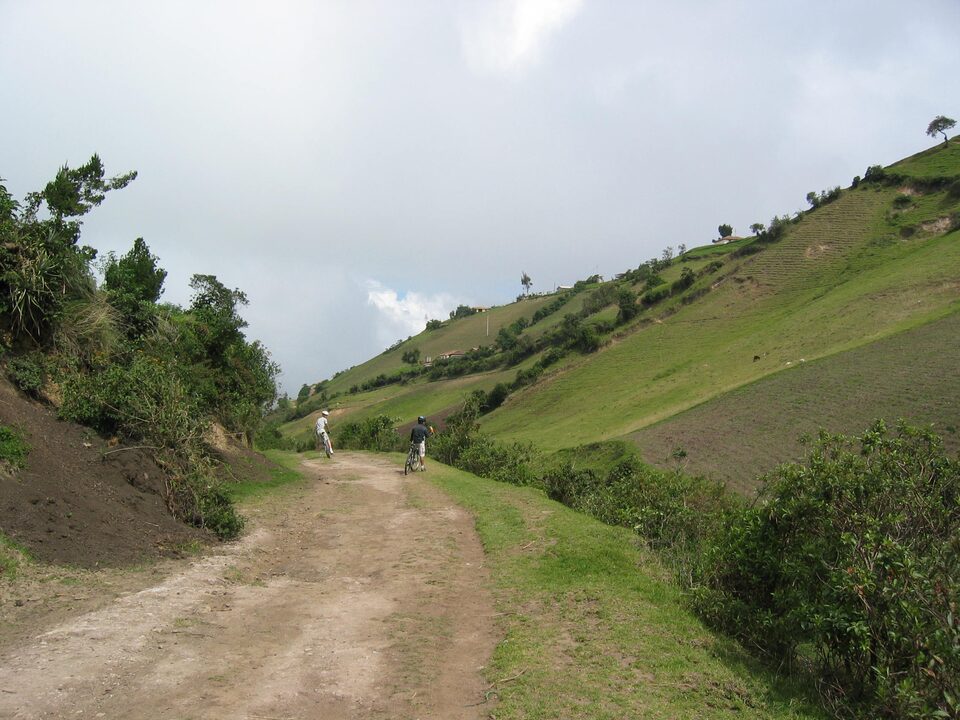
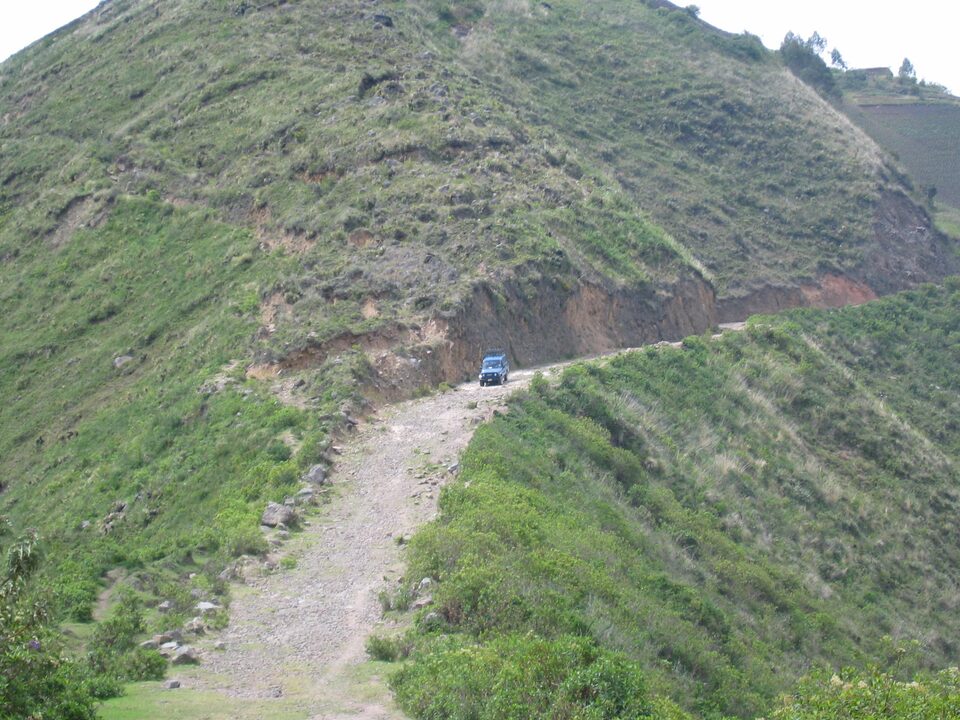
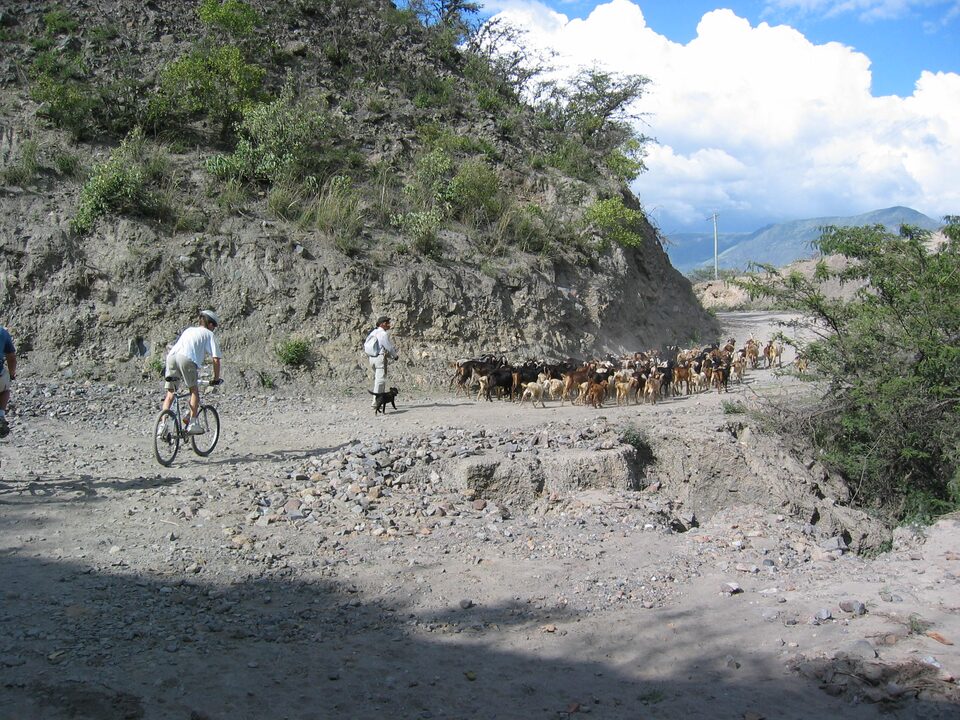
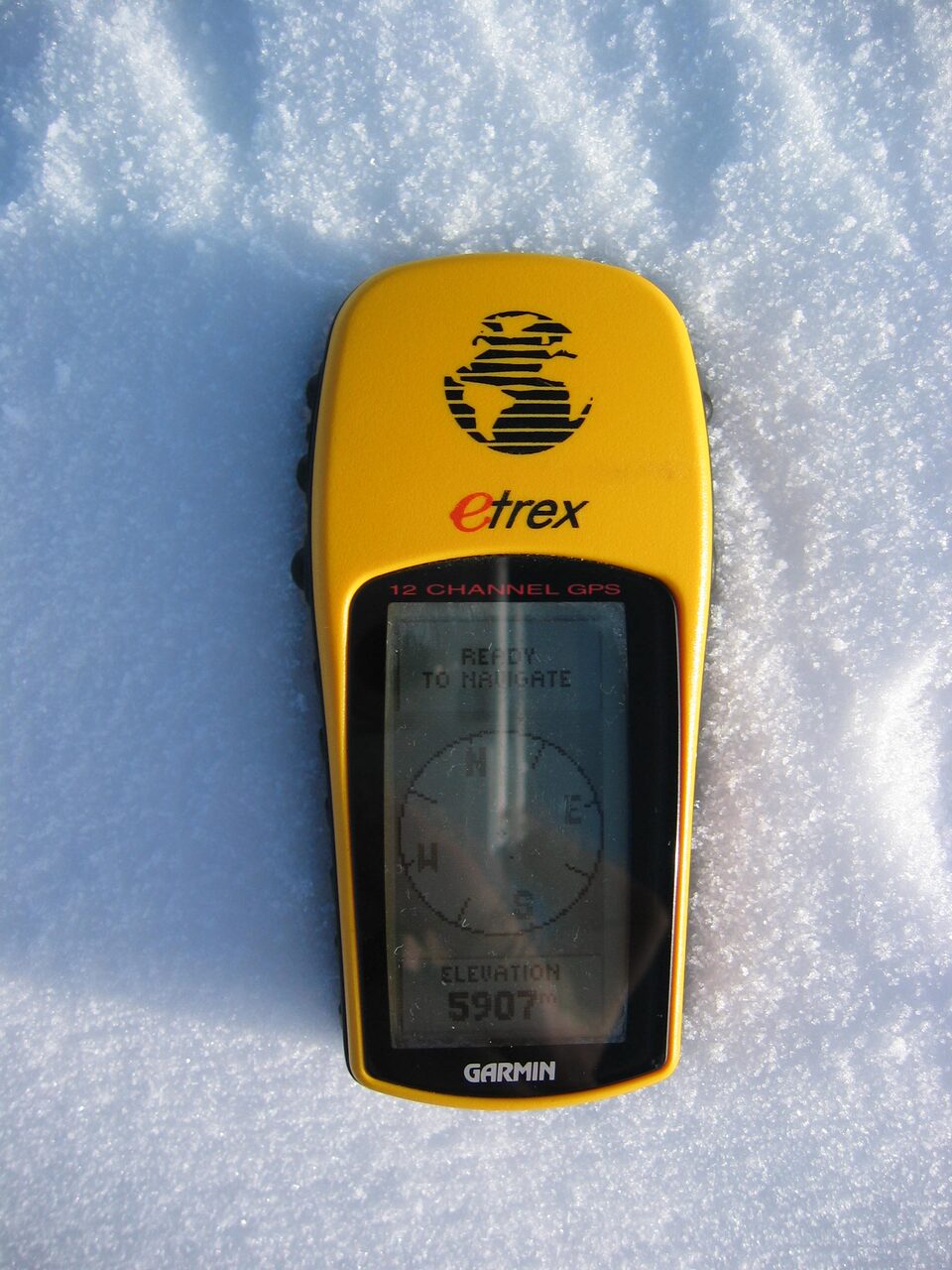
After Yarina we had a three-day downhill biking trip and a visit to Otavalo. On the second day the guides tricked us to bike up the same route we later came down! It was about 12-14Km uphill and we ascended about 650m (from 2400m to 3050m) according to my GPS. We had Cotopaxi climbing tour scheduled a couple of days later and the guides wanted us to have some exercise before in order to adjust to the high altitude.
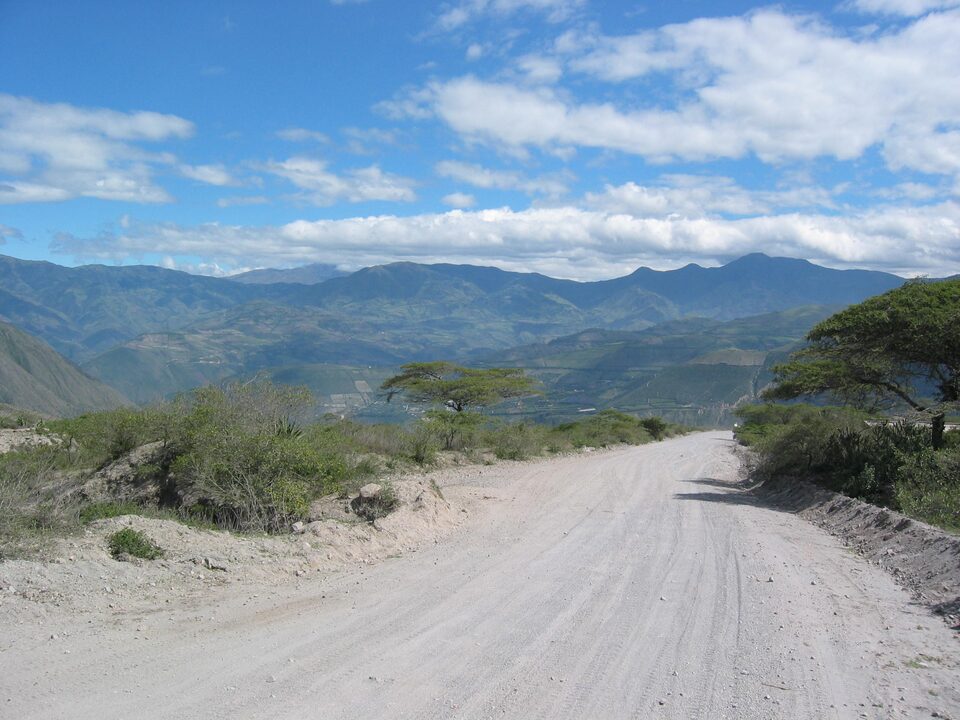
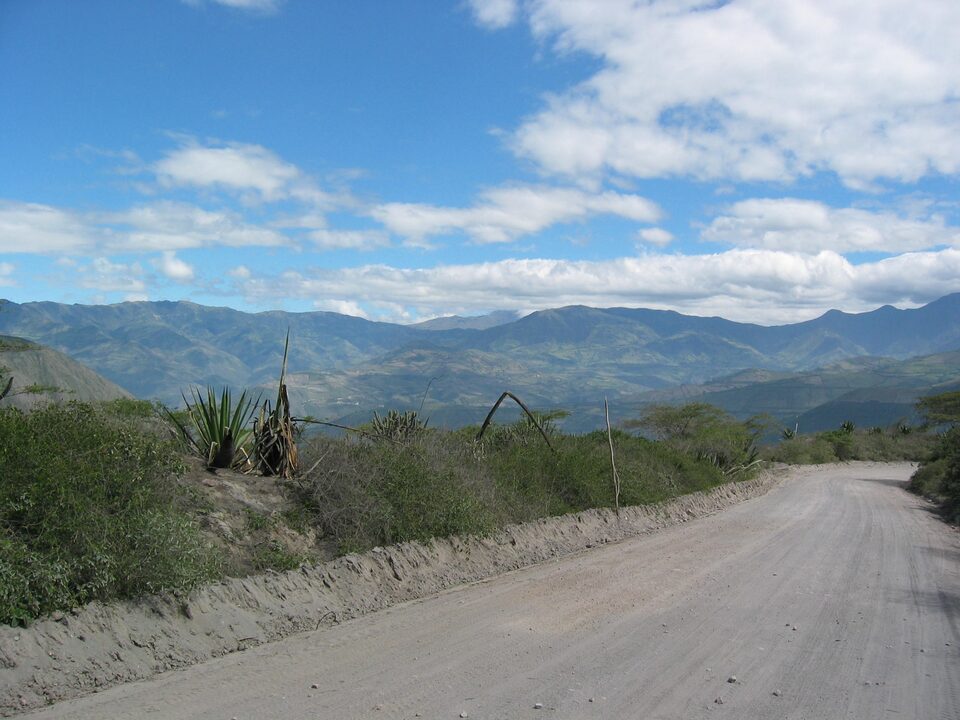
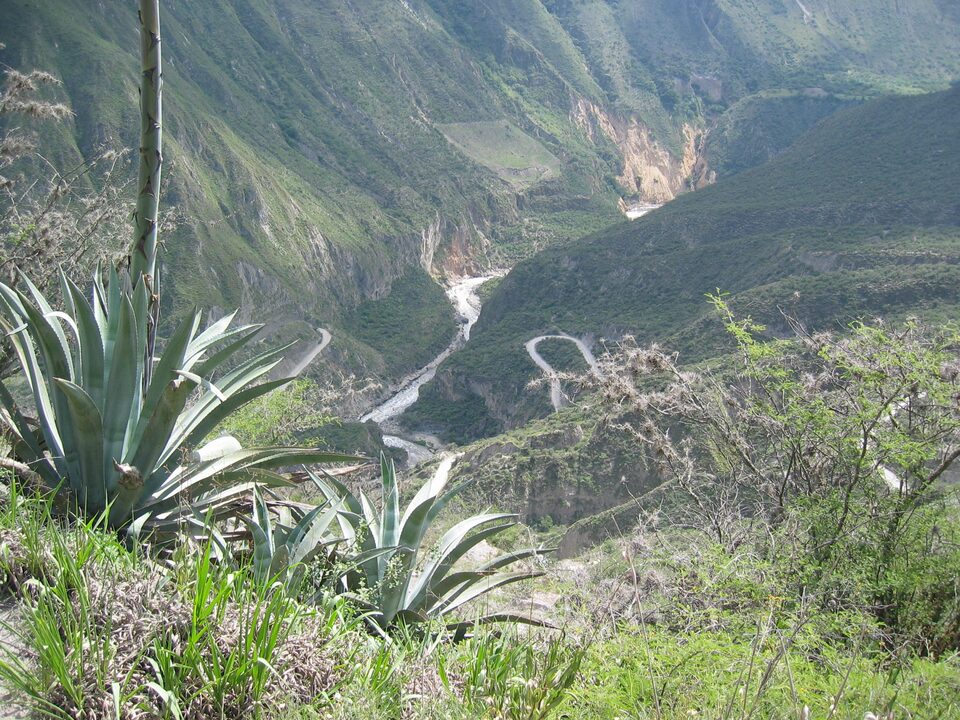
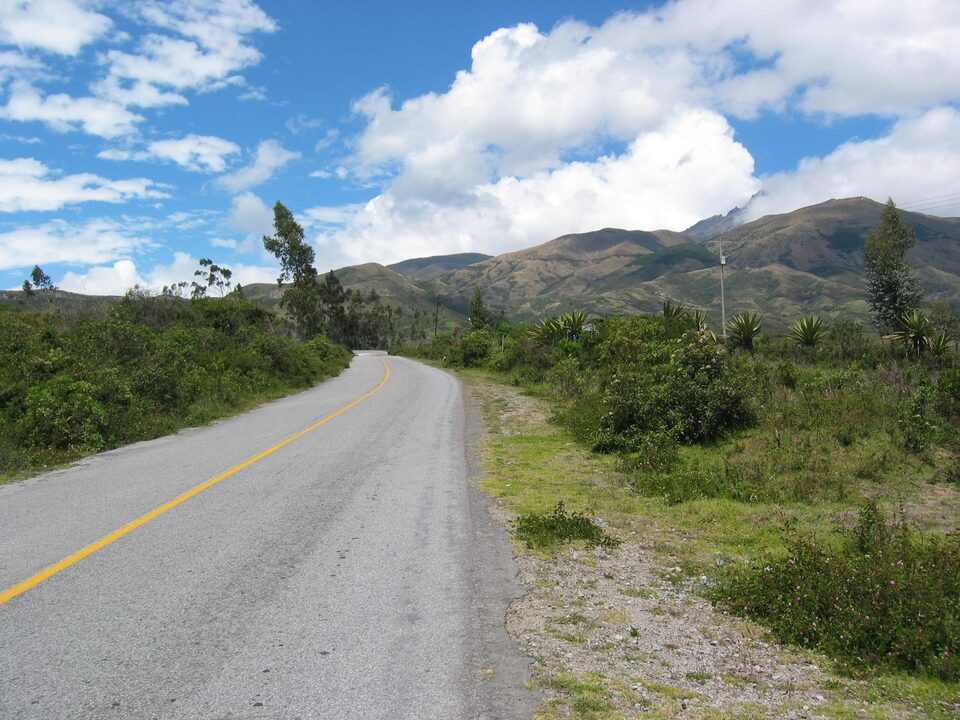
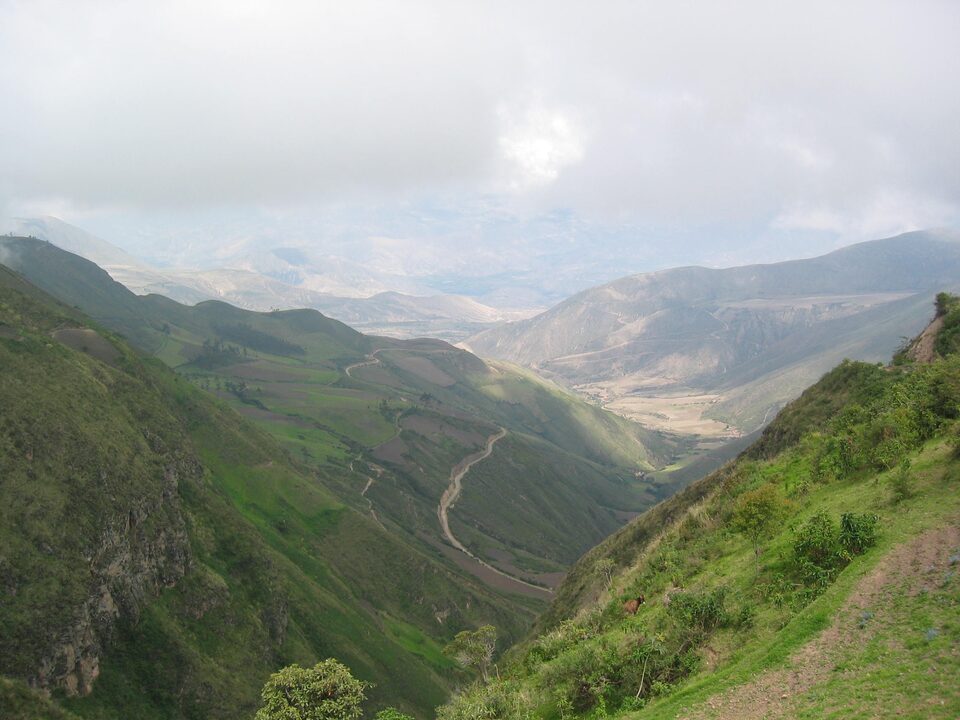
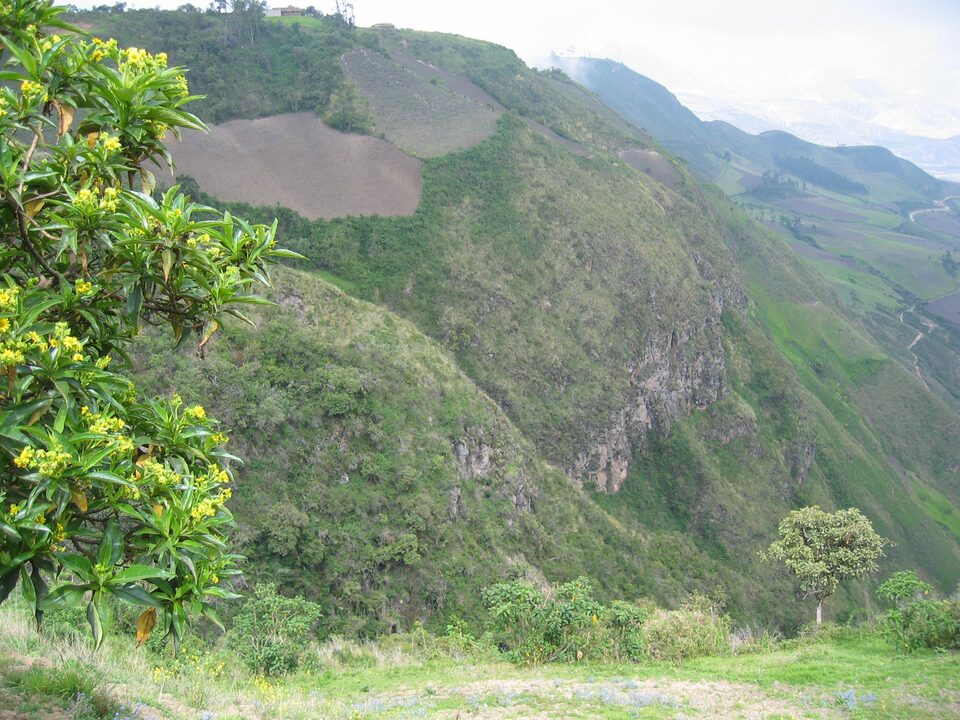
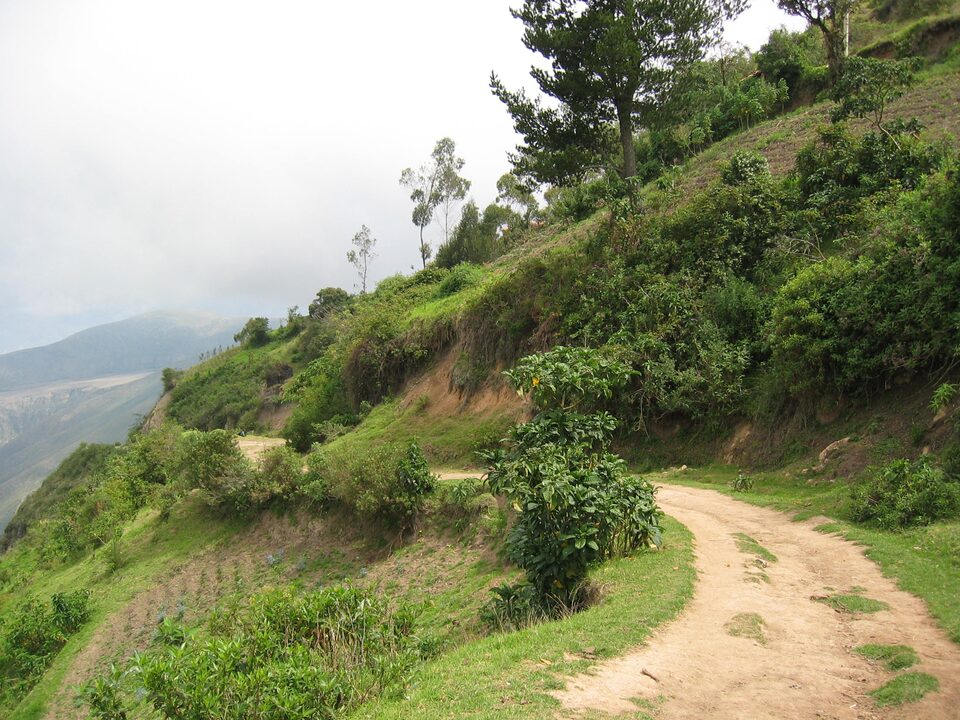
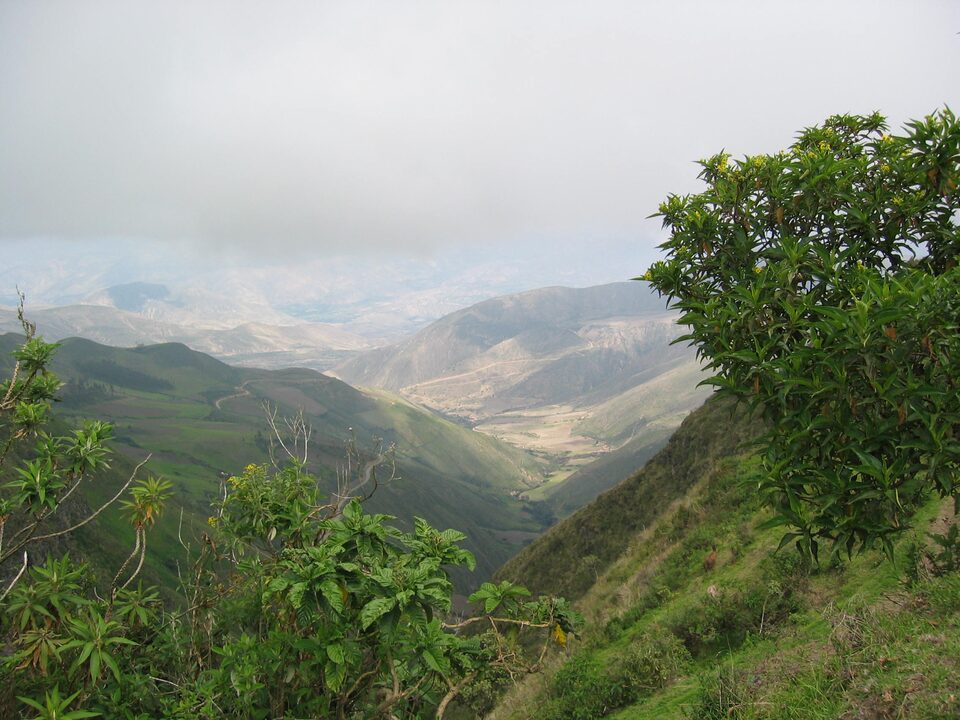
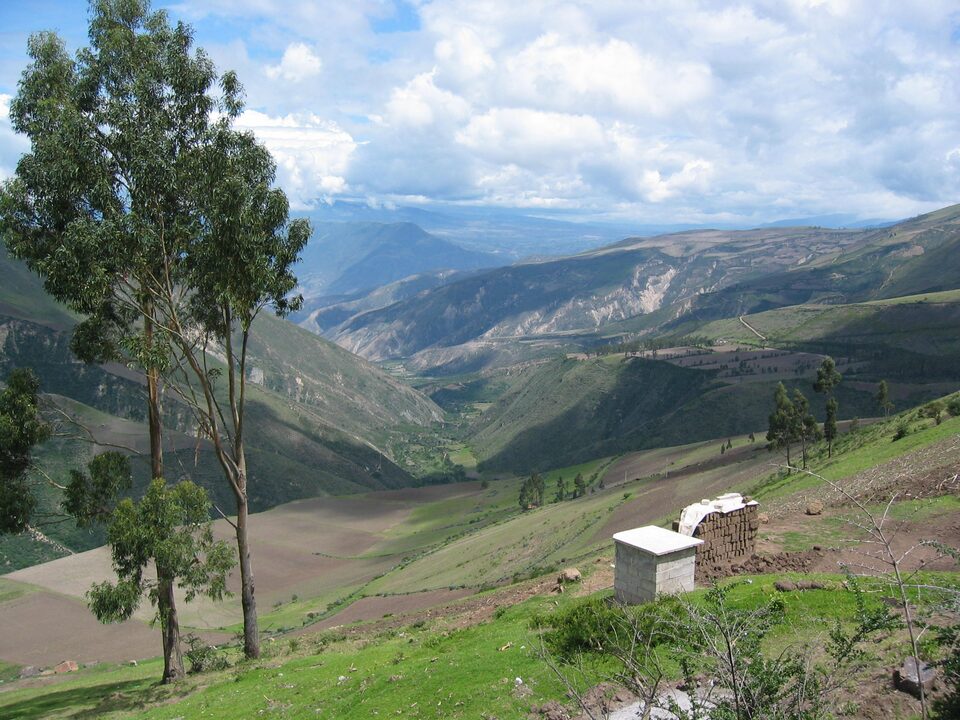
The third day biking was in really beautiful mountain area and we descended 1.5Km! (we also went uphill a couple of hundred meters..)
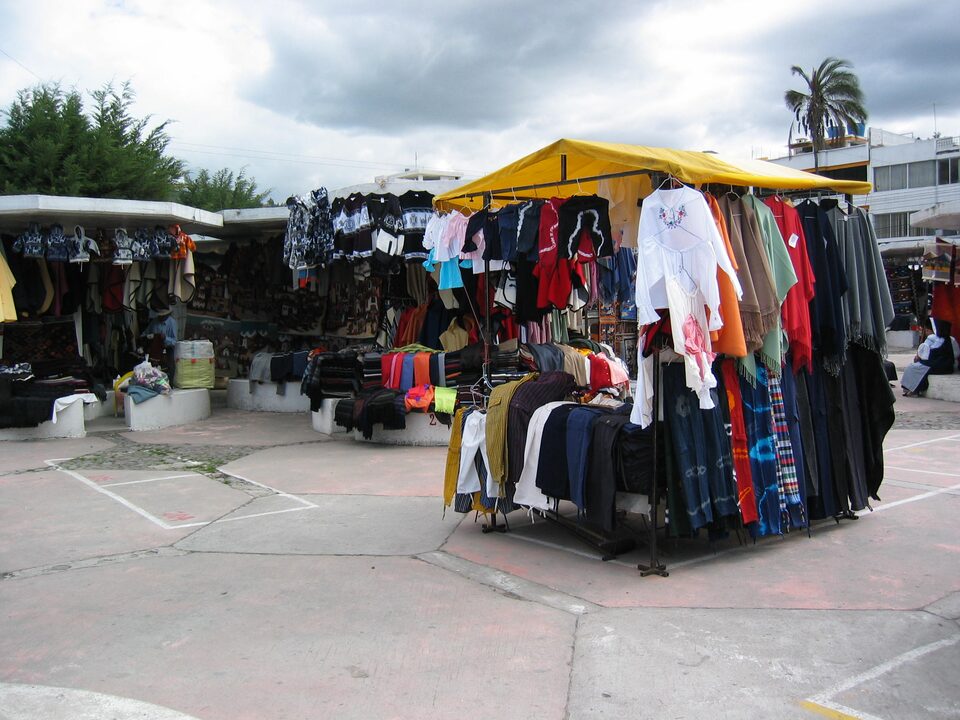
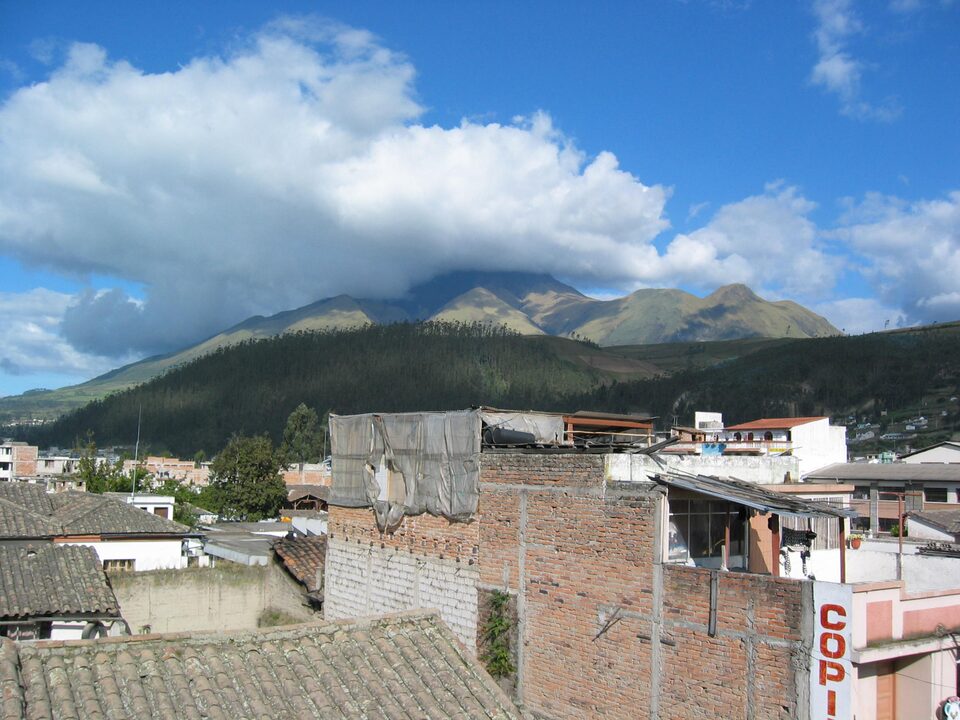
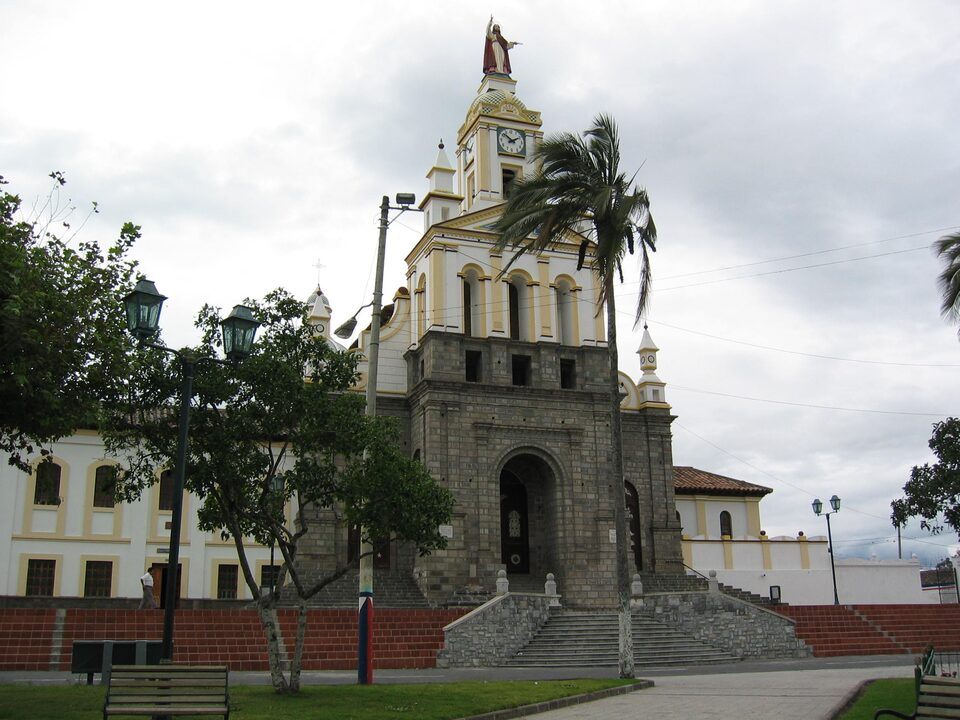
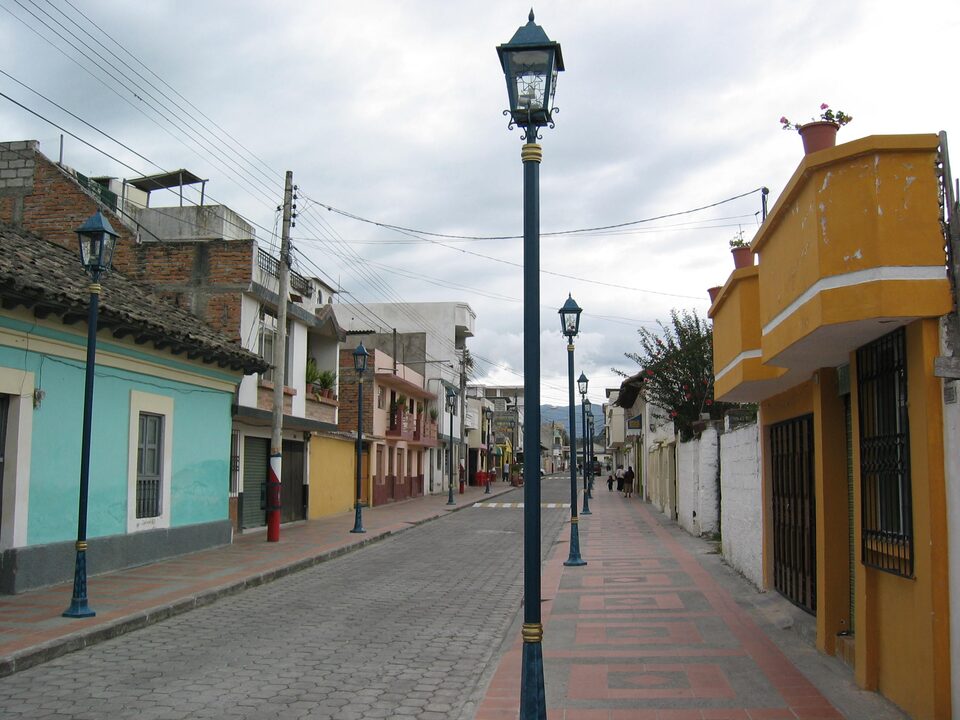
We stayed in Otavalo and had one chance to visit the famous market just before it was closing down.


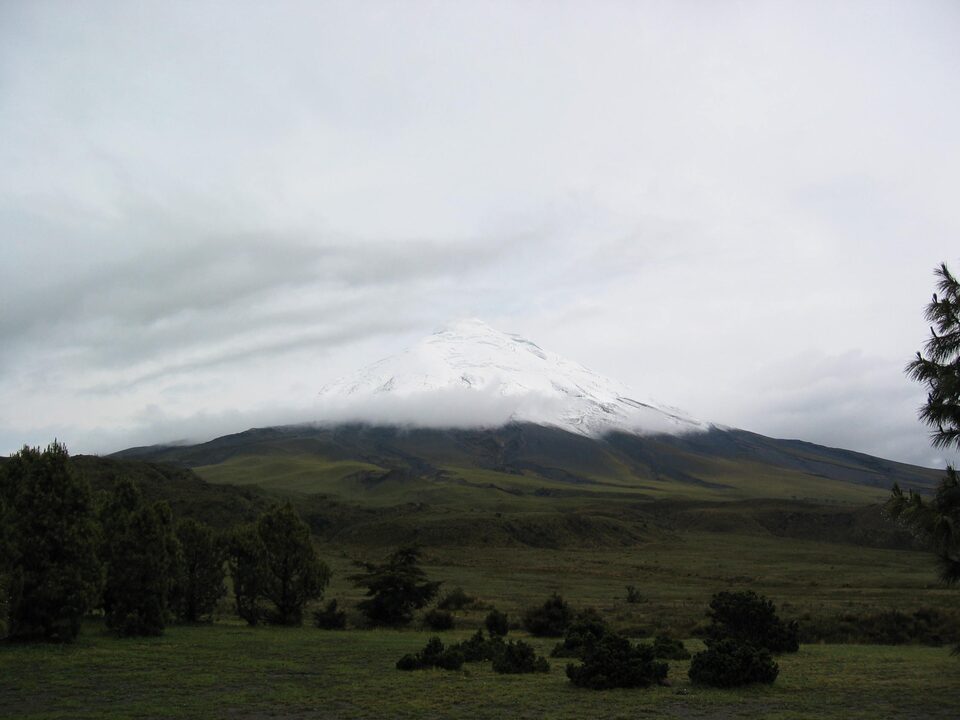
Cotopaxi (5897m) climbing tour
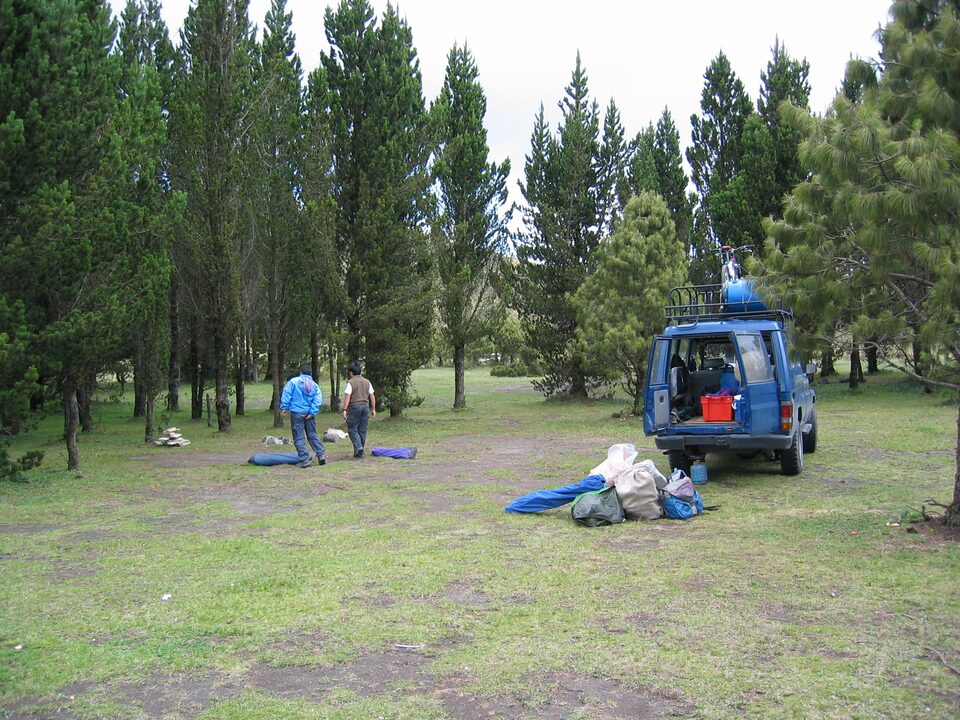
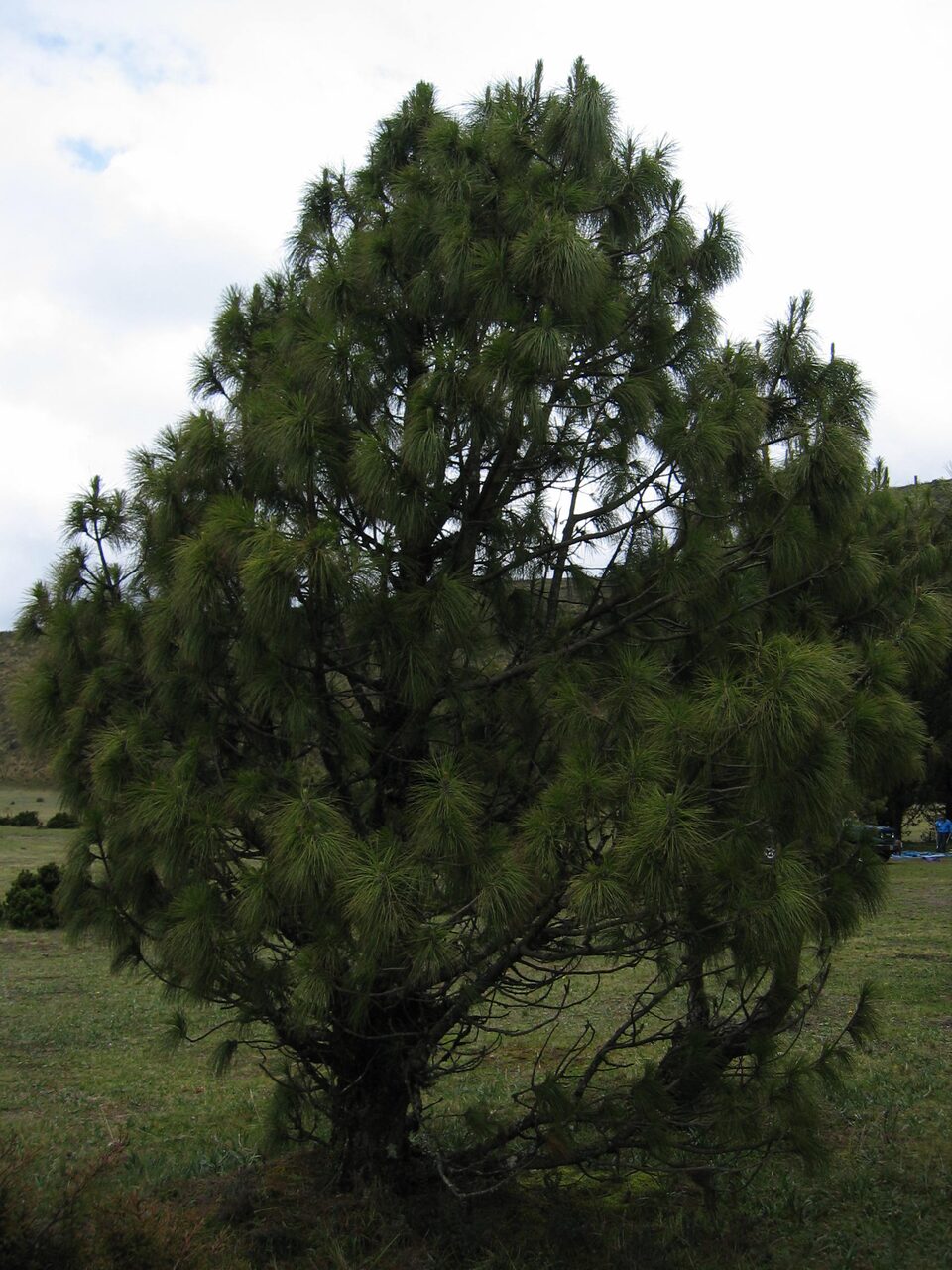
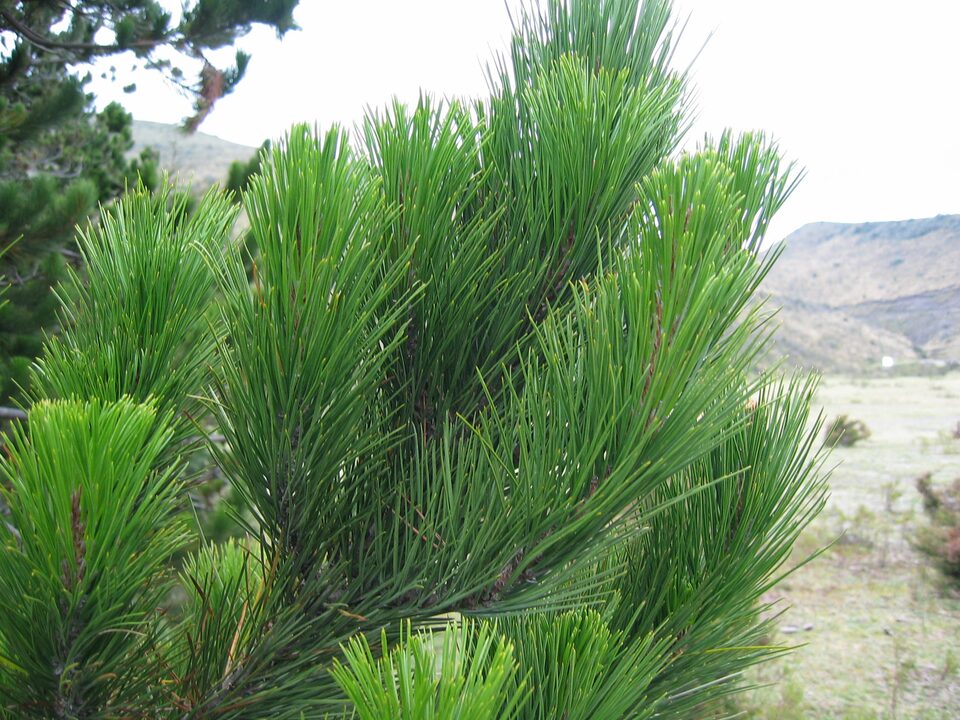
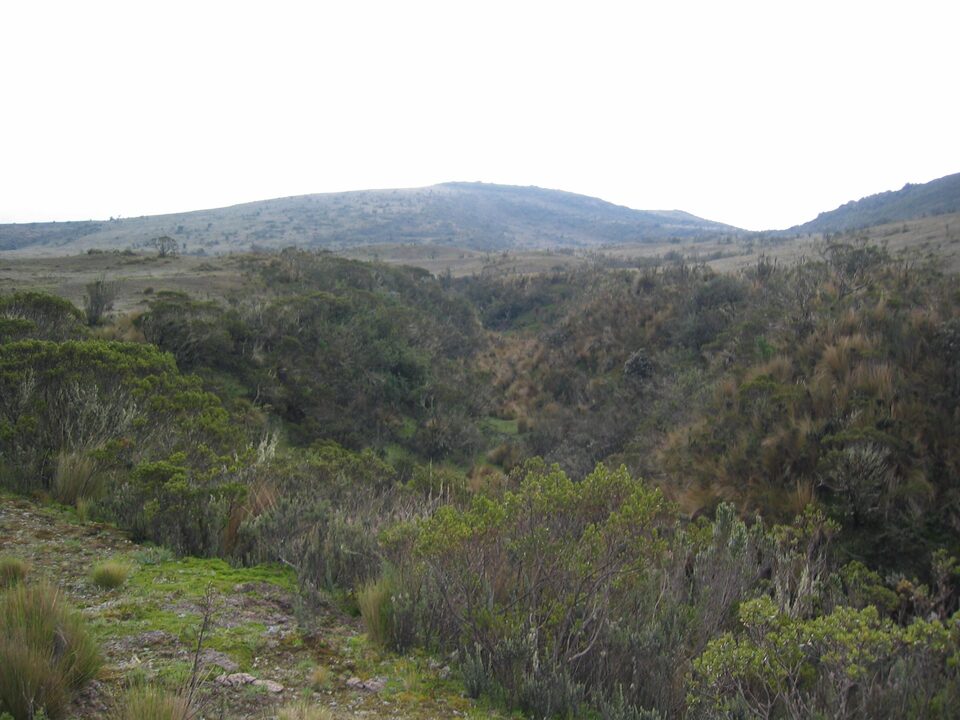
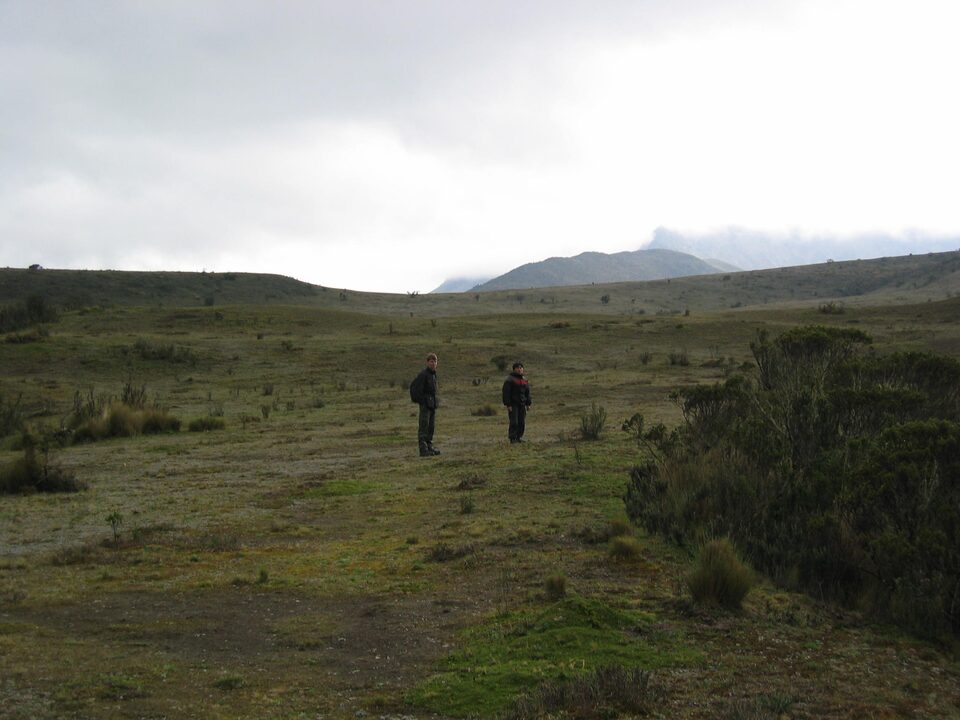
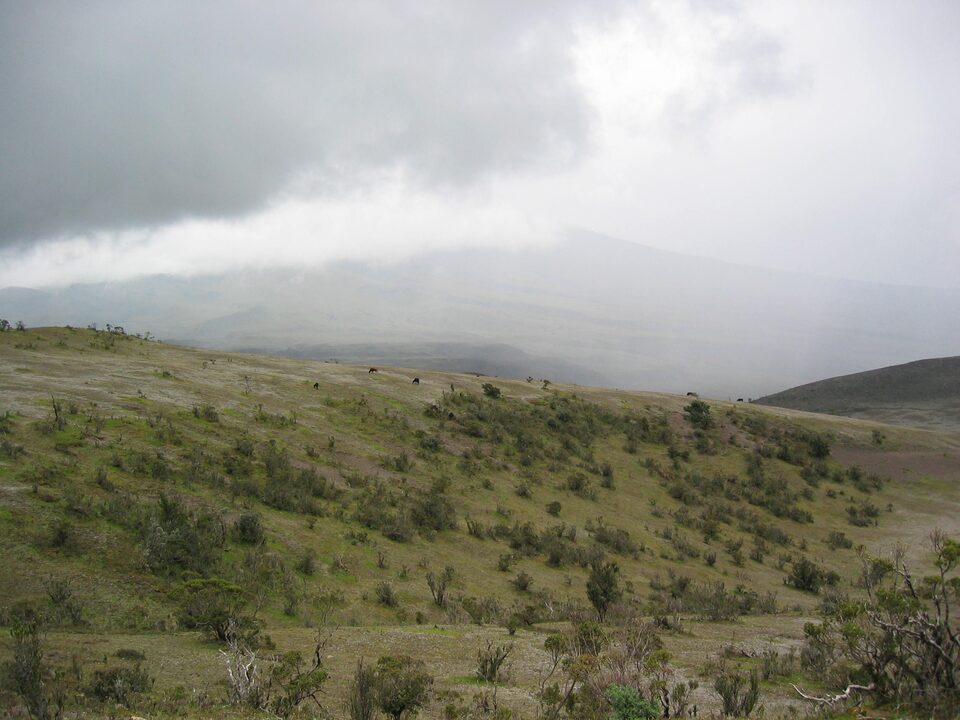
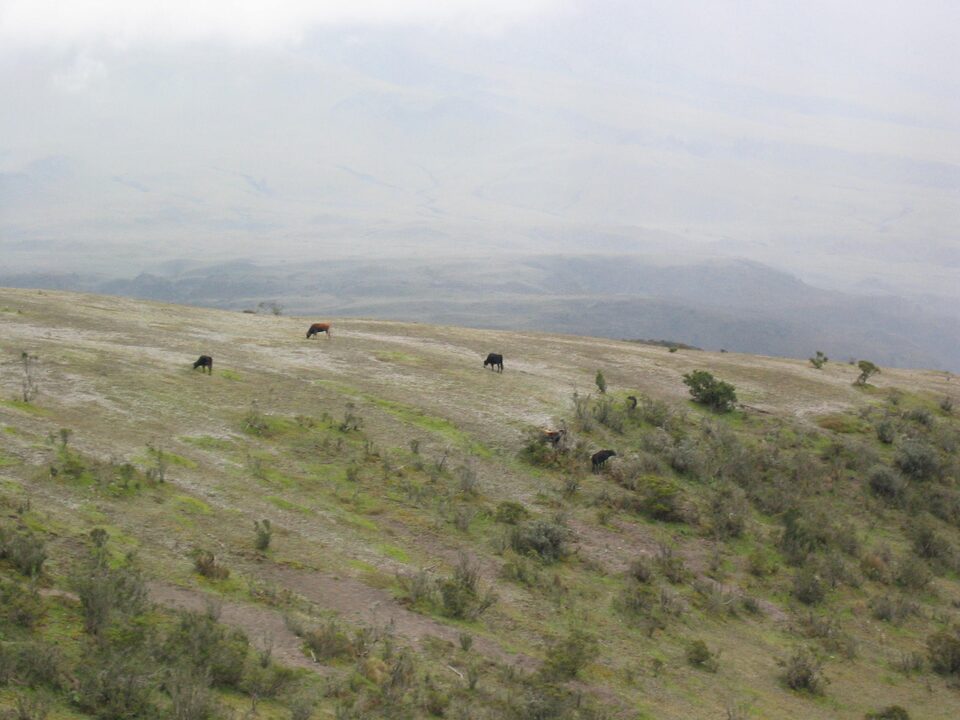
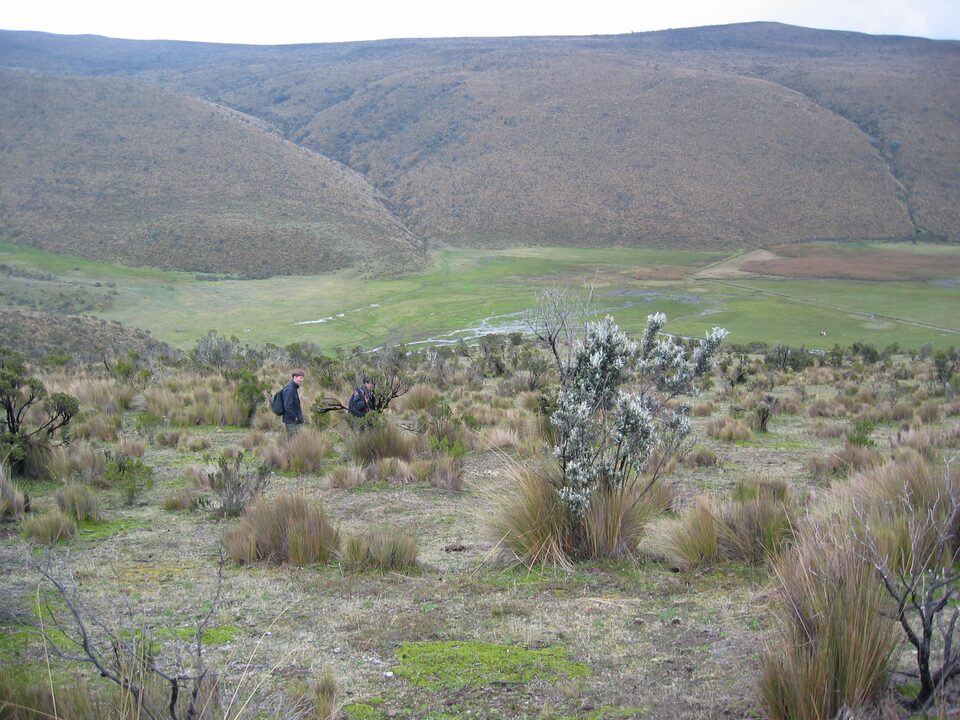
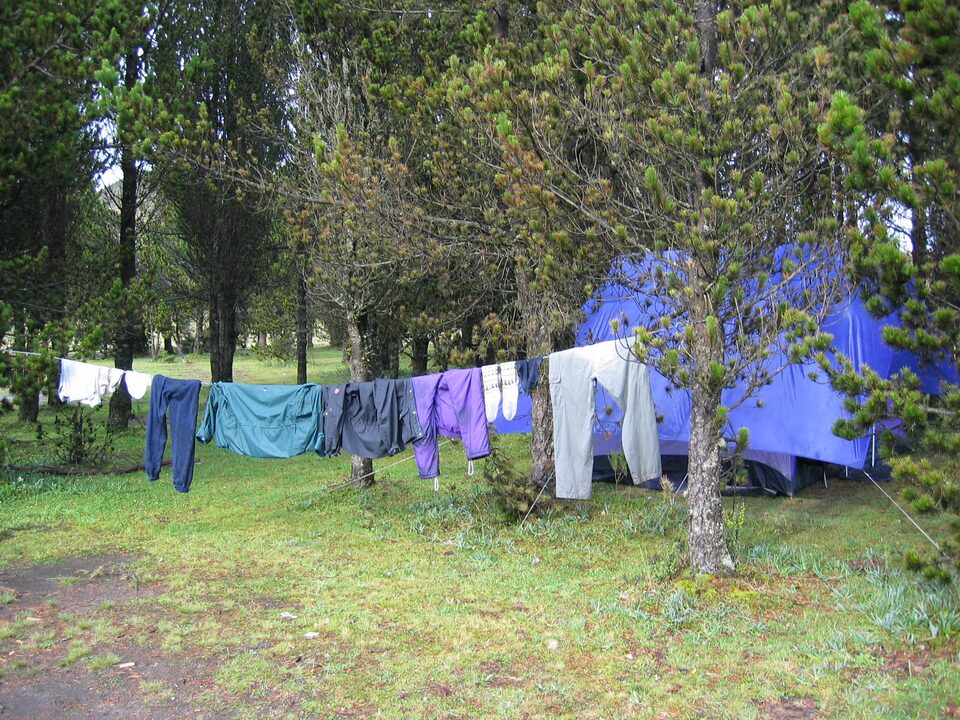
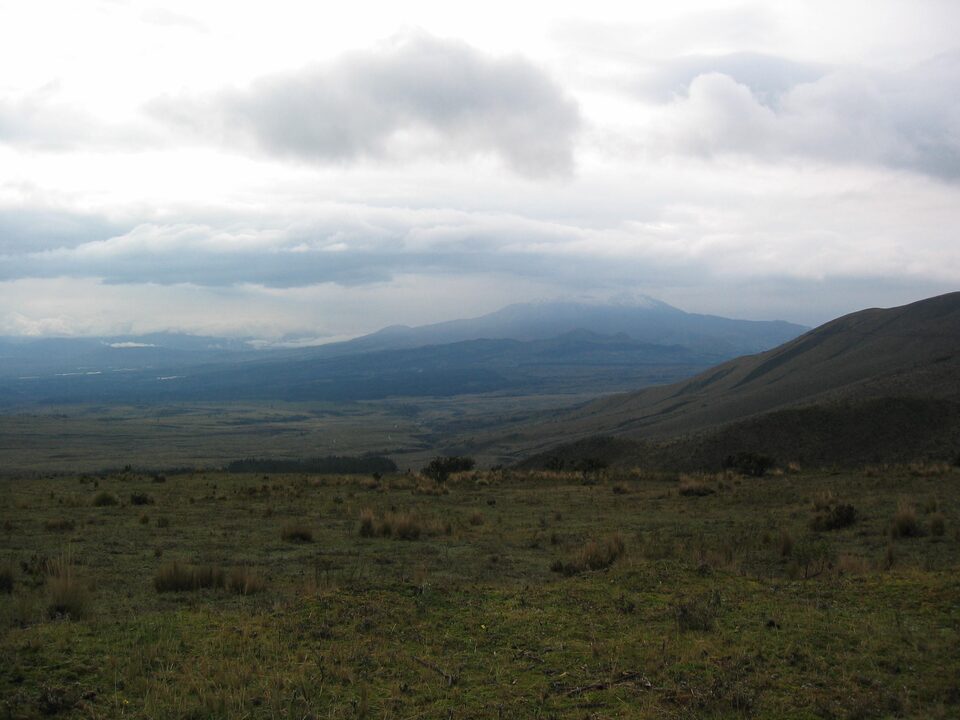
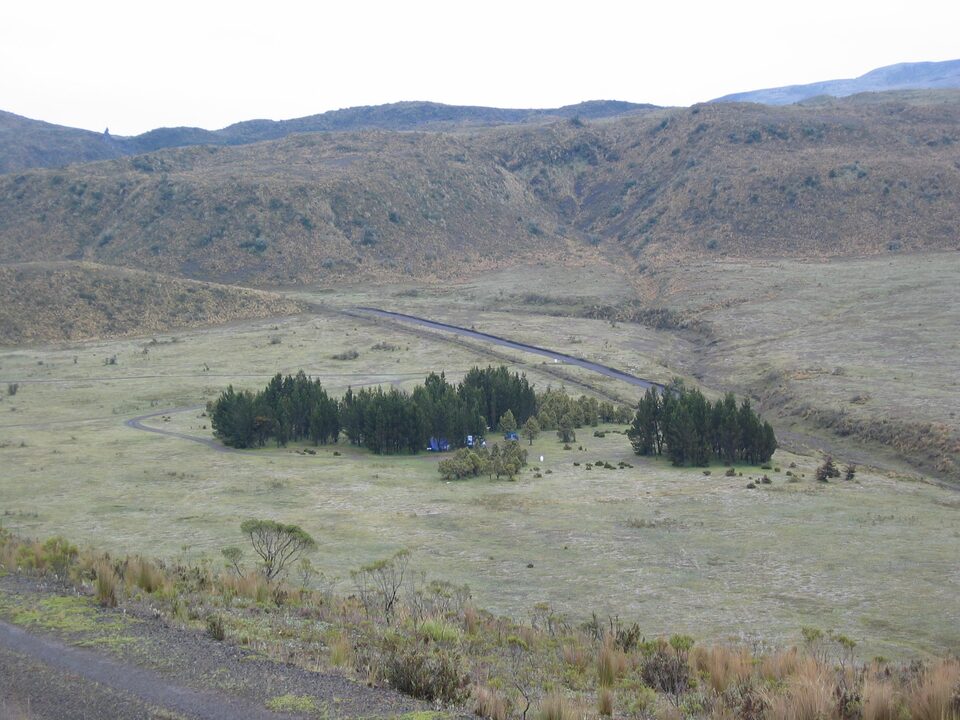
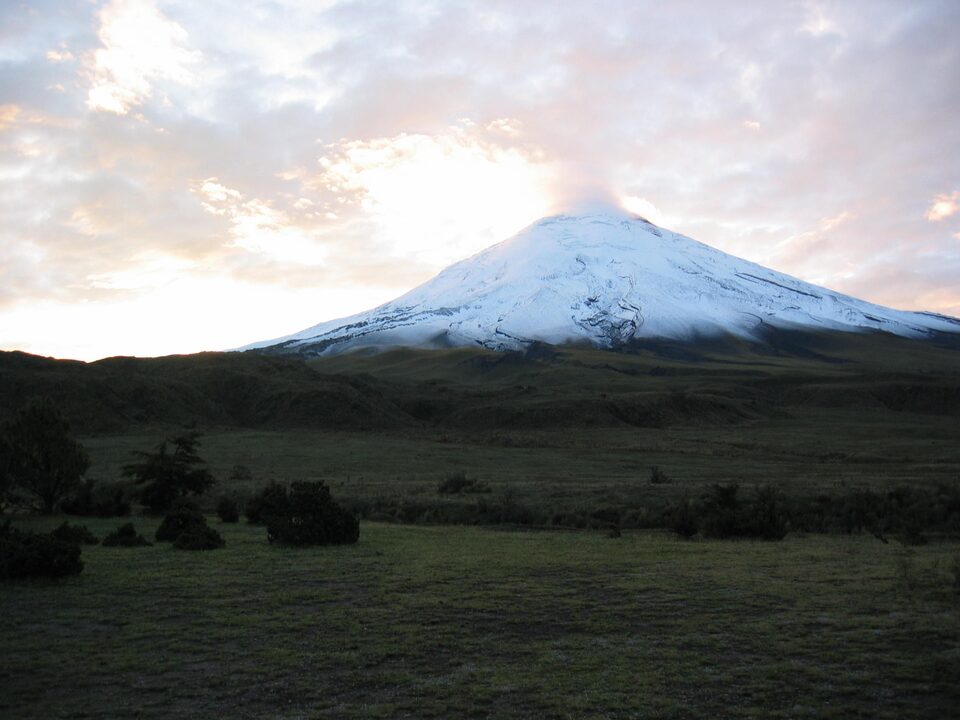
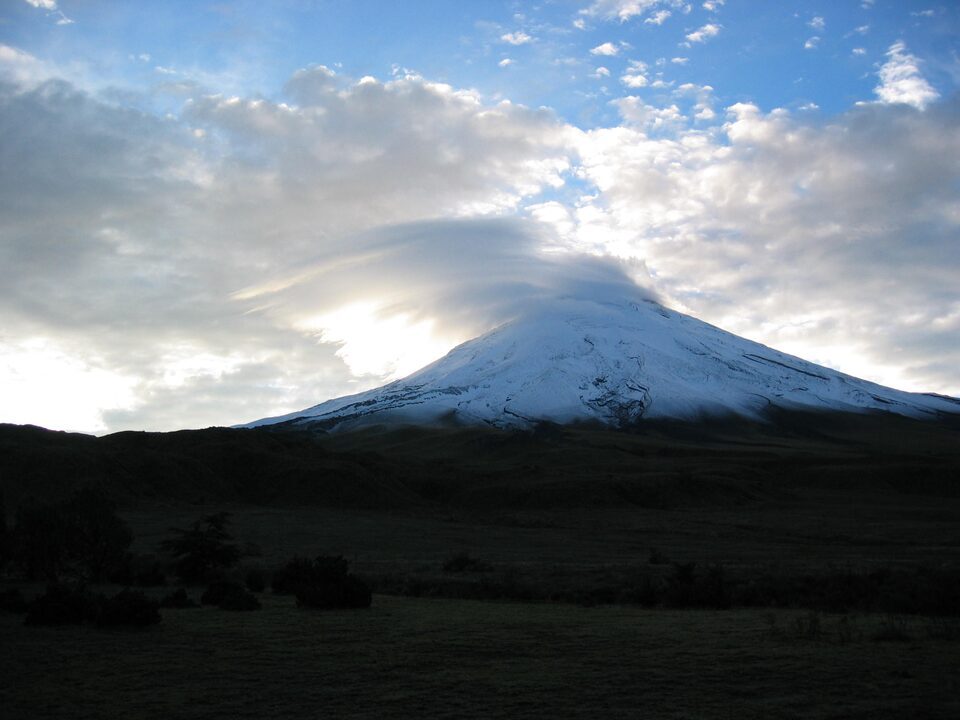
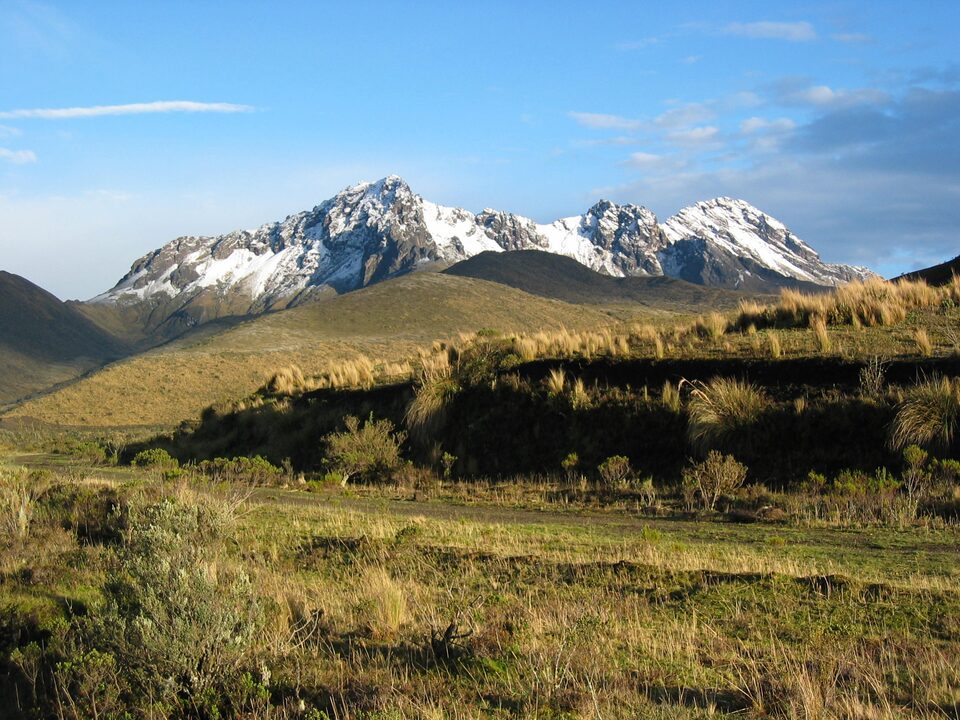
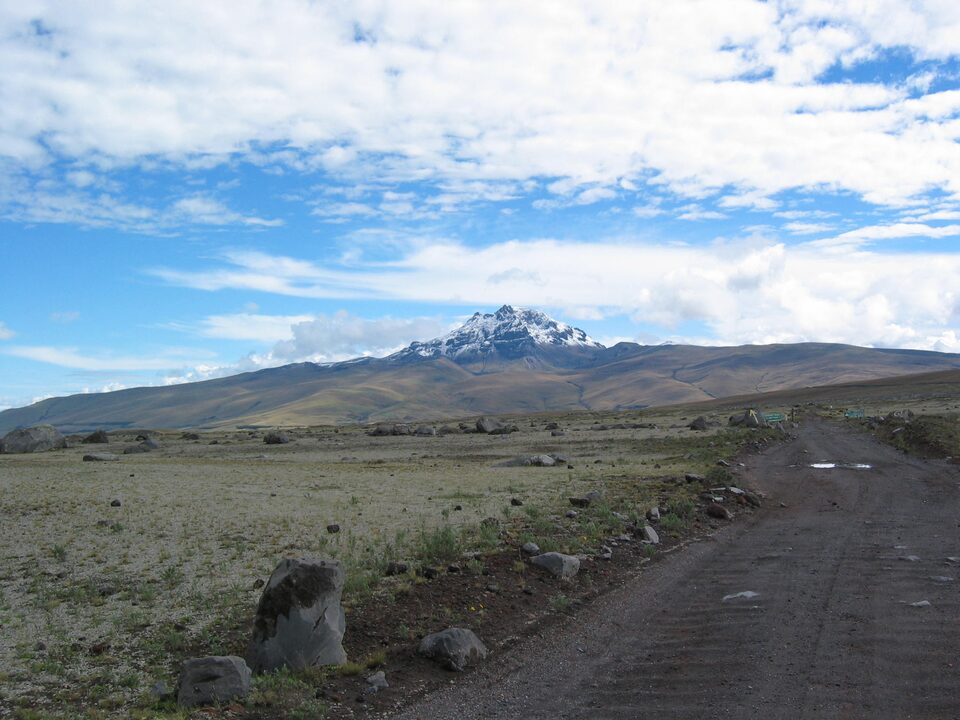
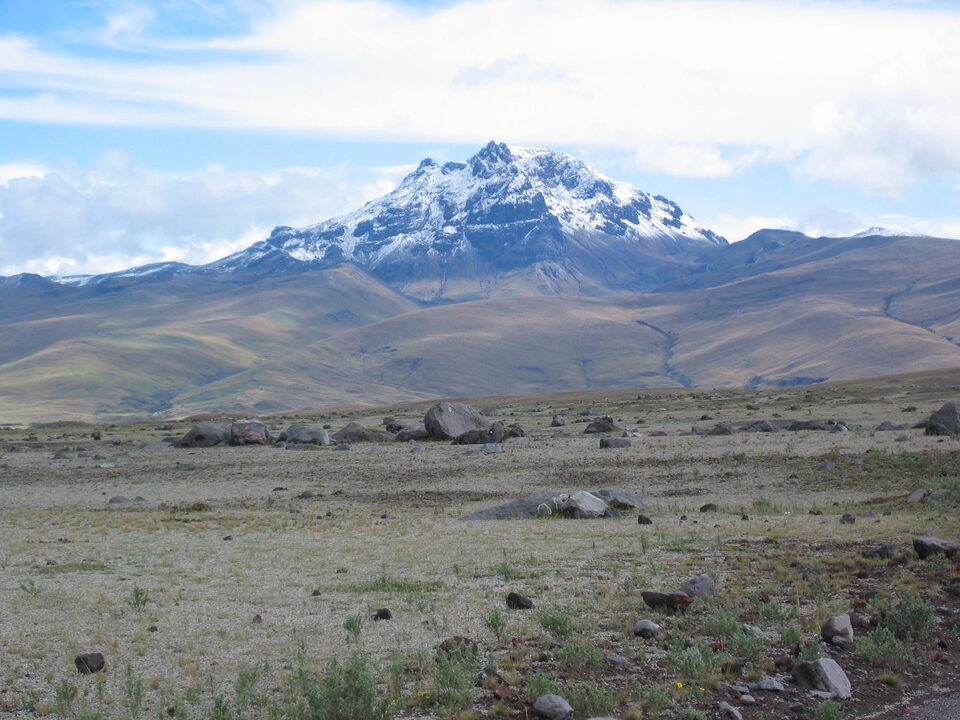
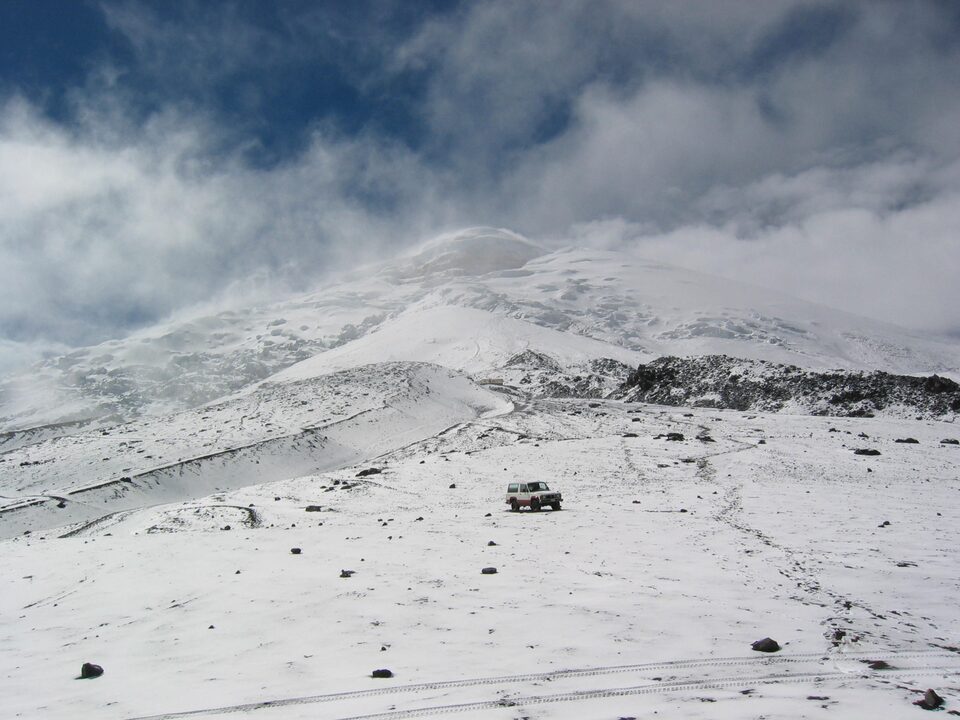
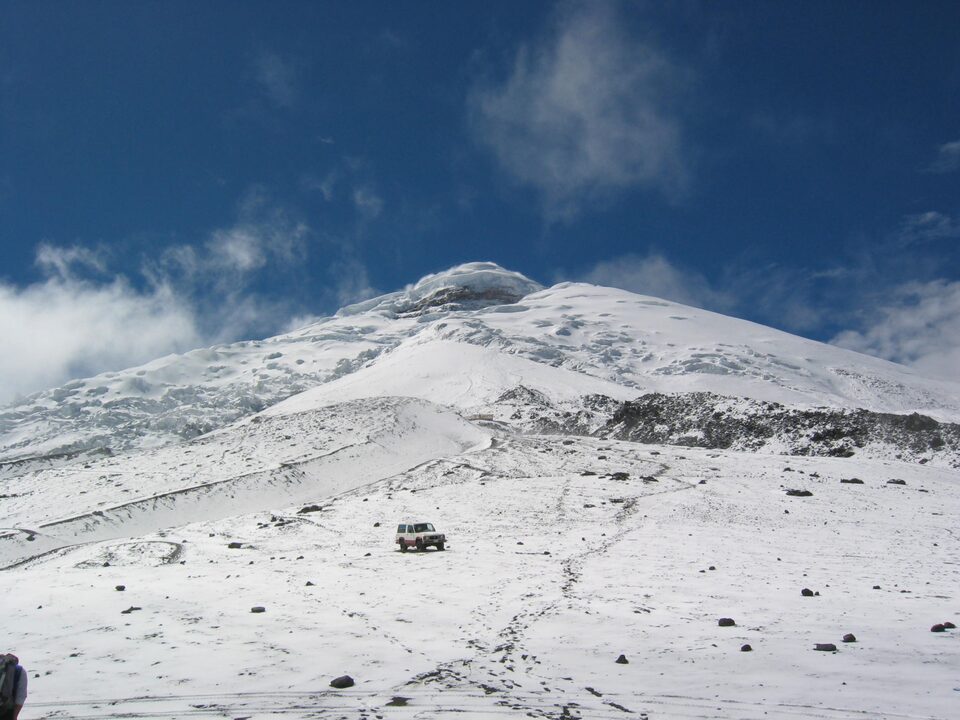
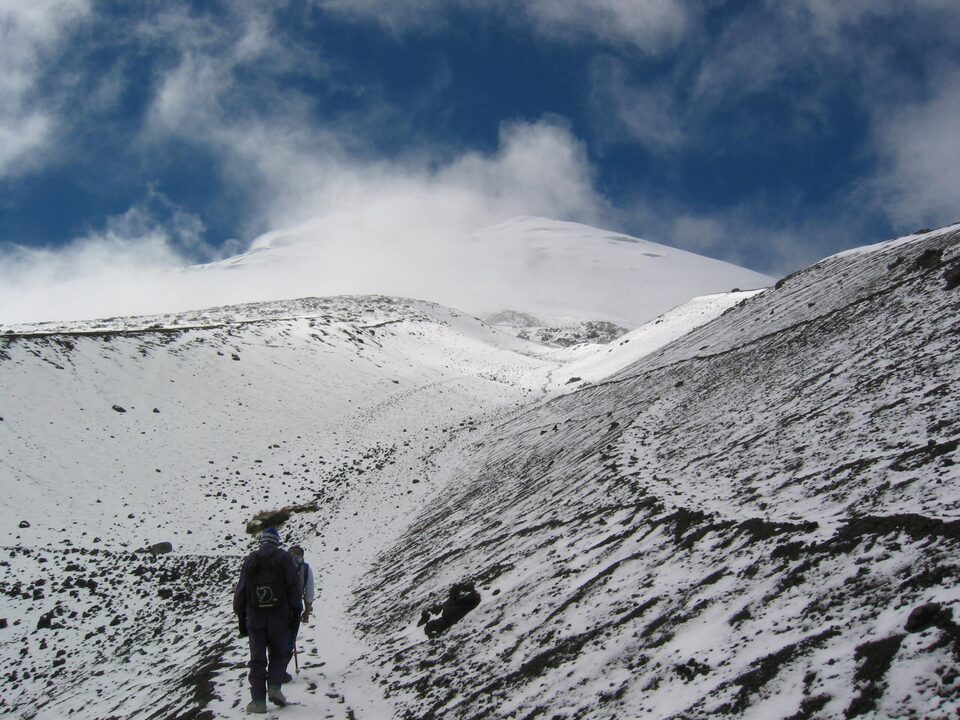
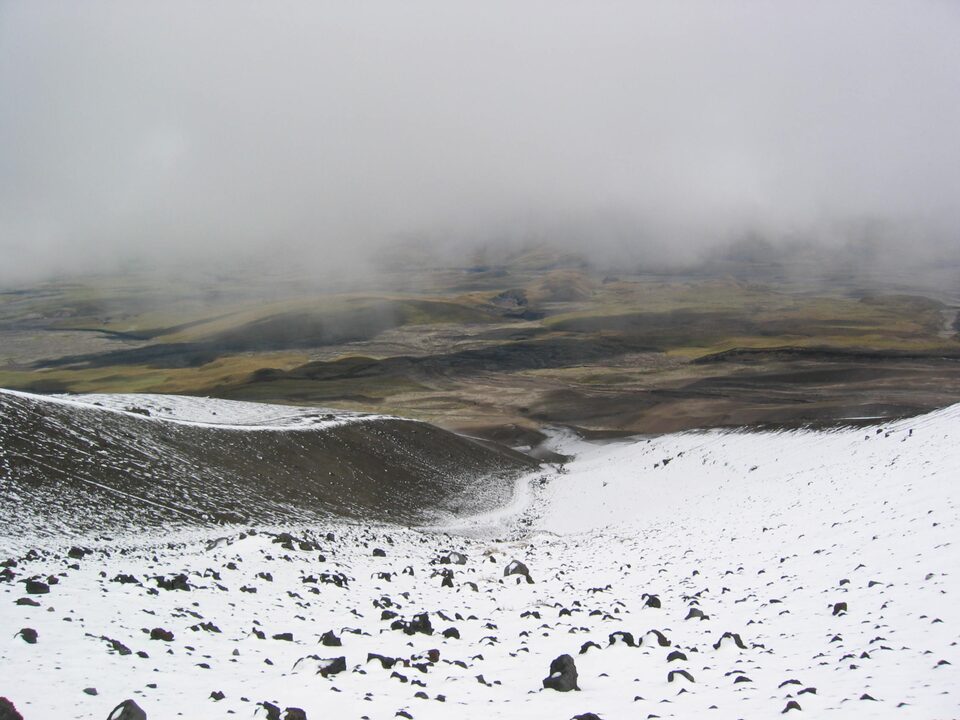
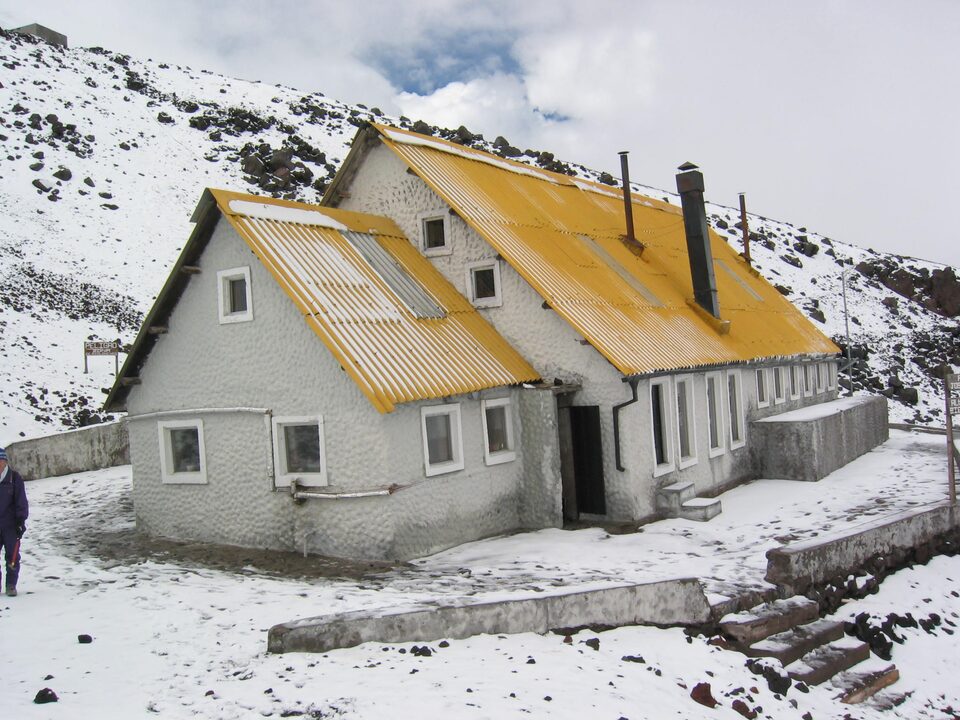
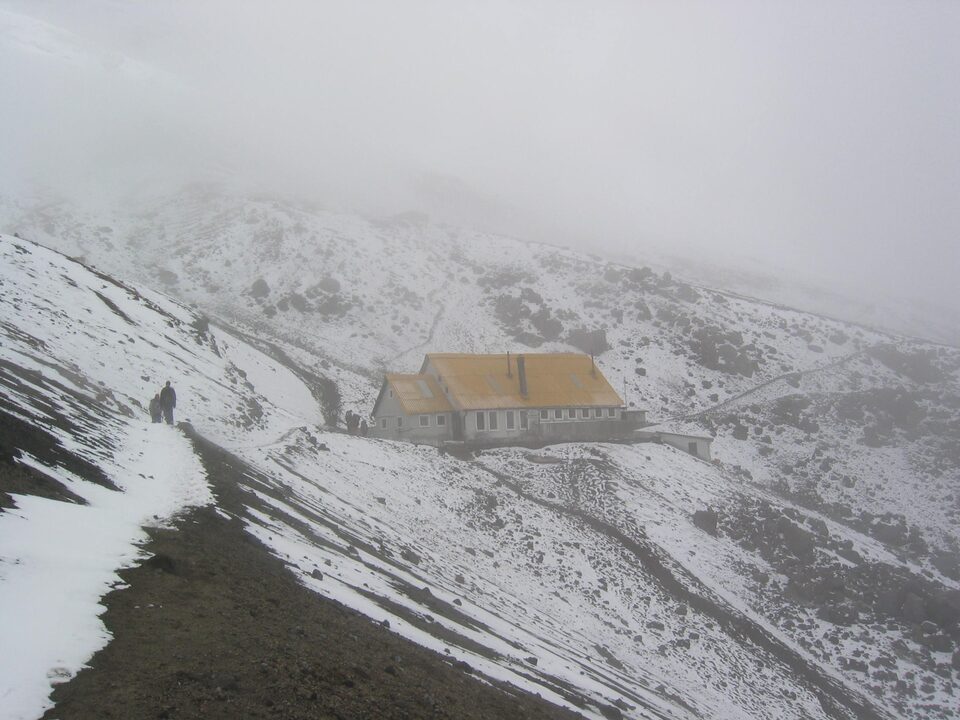
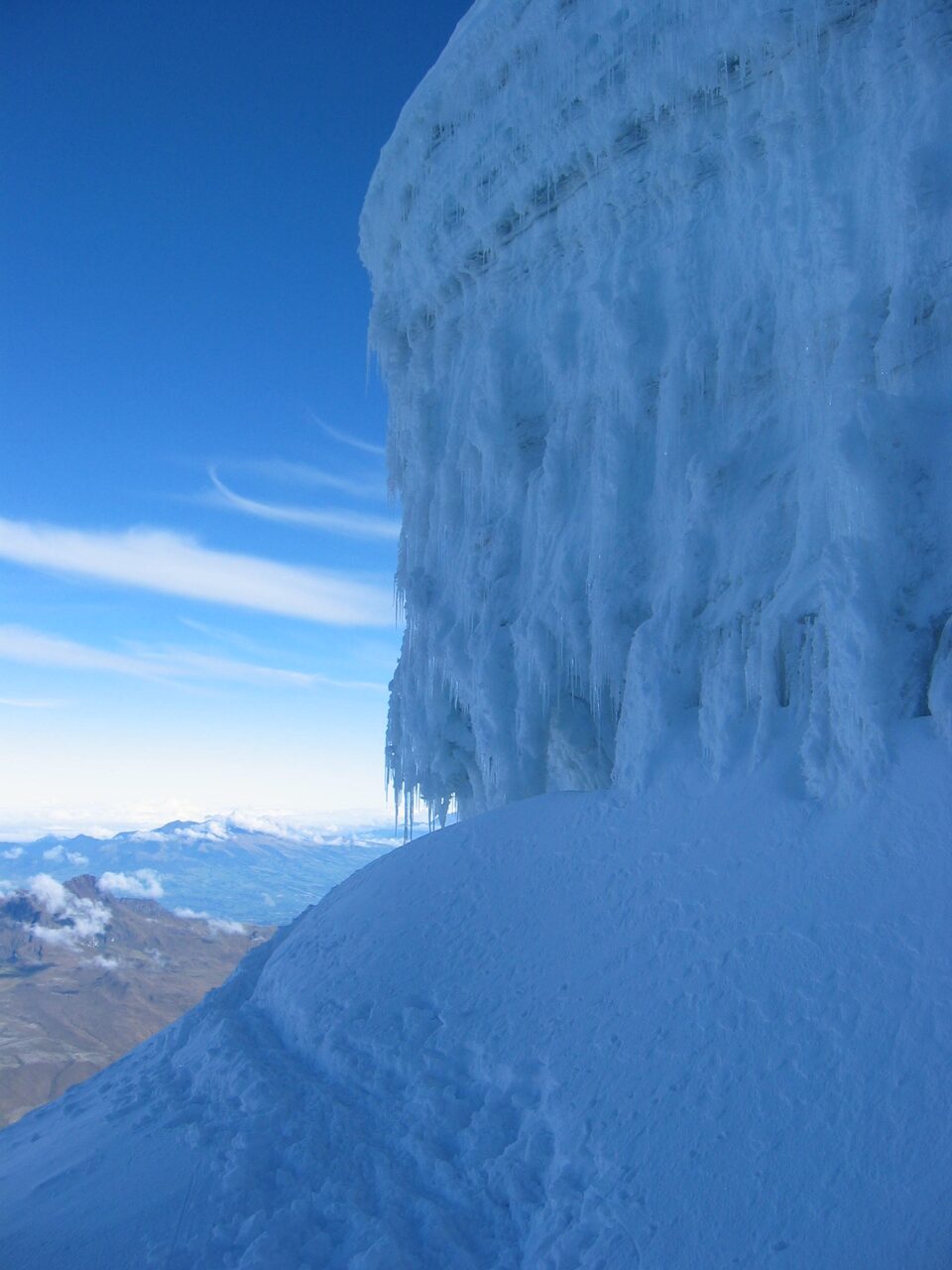
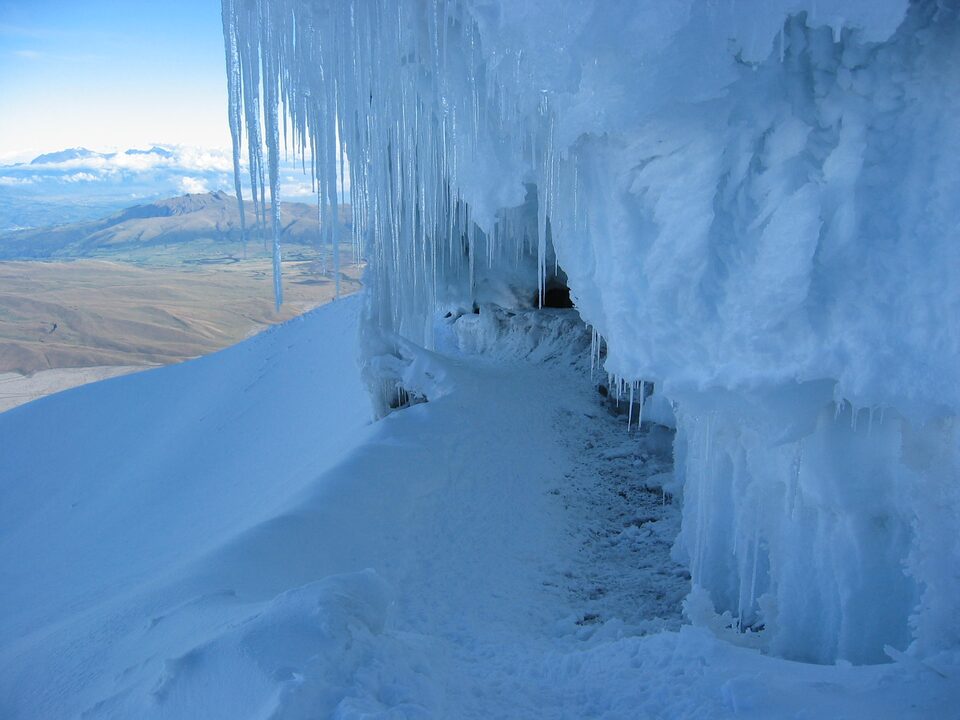
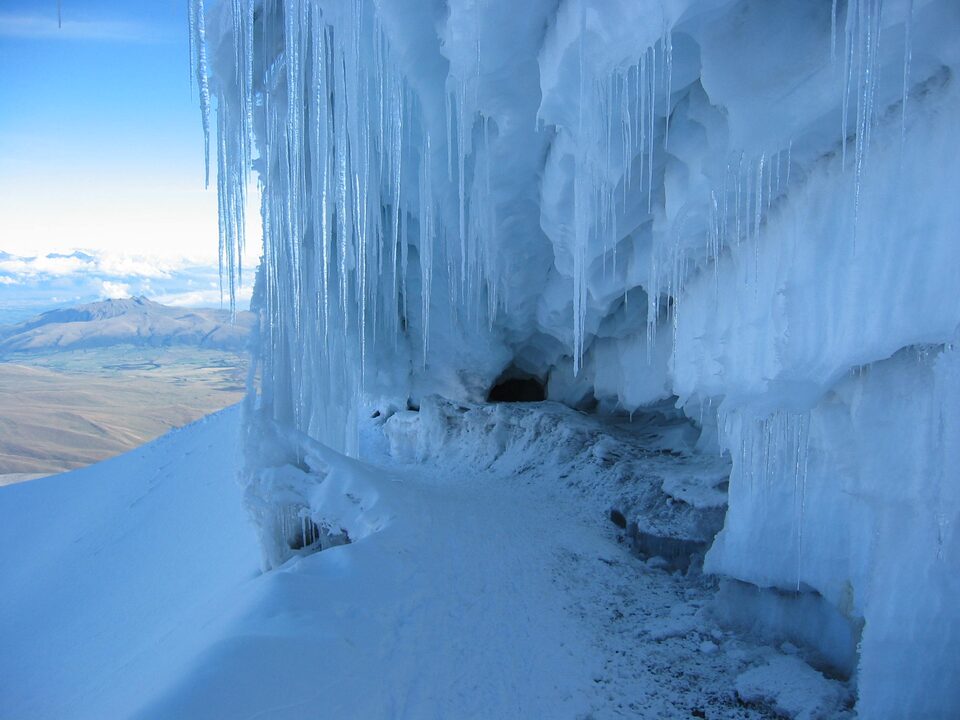
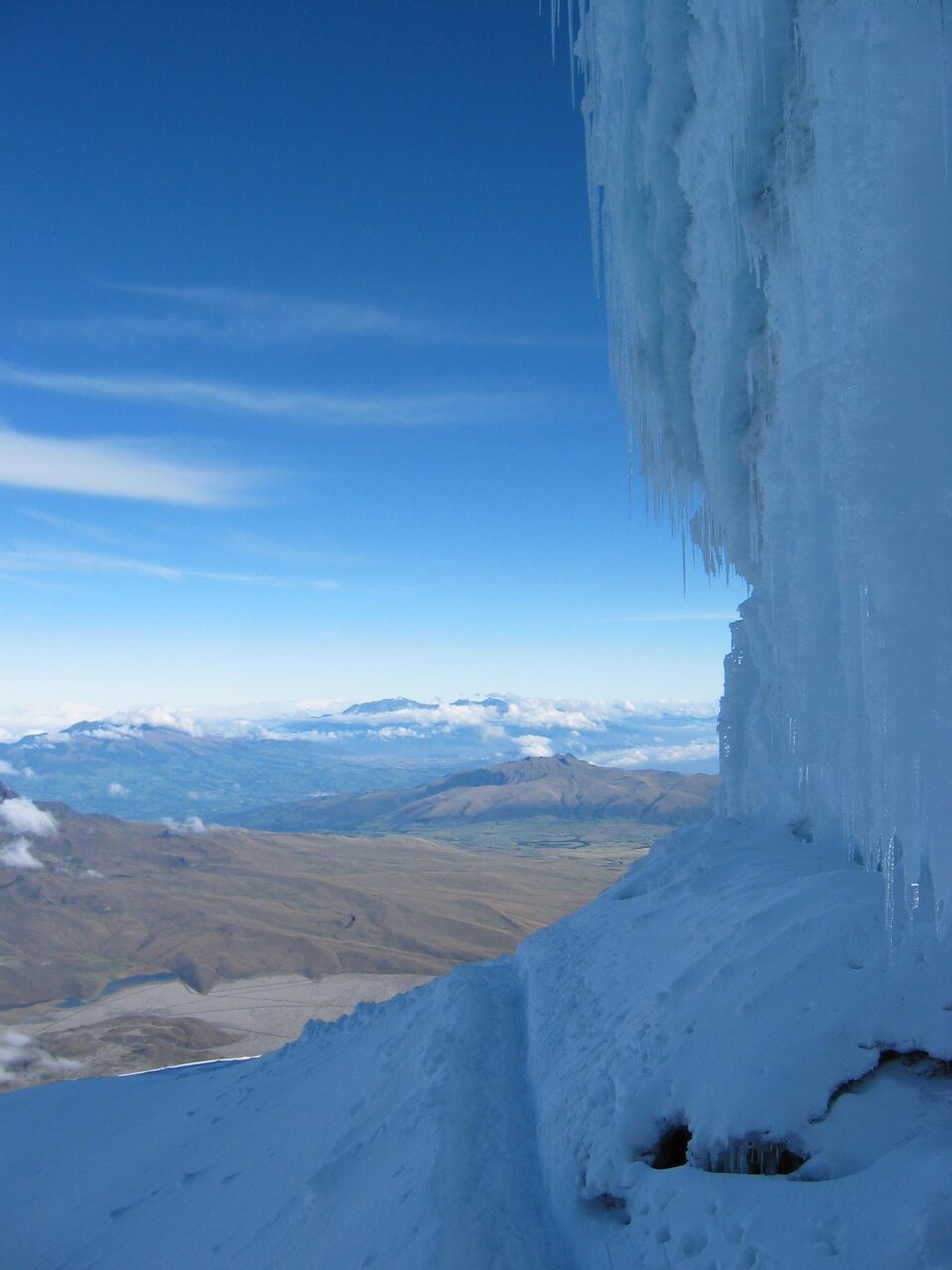
Cotopaxi climbing tour was the most exciting thing we did during our stay. We had a three-day trip to Cotopaxi. Our guides set up camp at 3800m next to Cotopaxi. First day we did some trekking nearby but heavy rains cut the trekking part short.
The next day we drove to Cotopaxi as high as we could (4600m) and then walked about 200-300m up to reach the lowest glacier where we had ice school. Then we went back to our camp for dinner and rest.
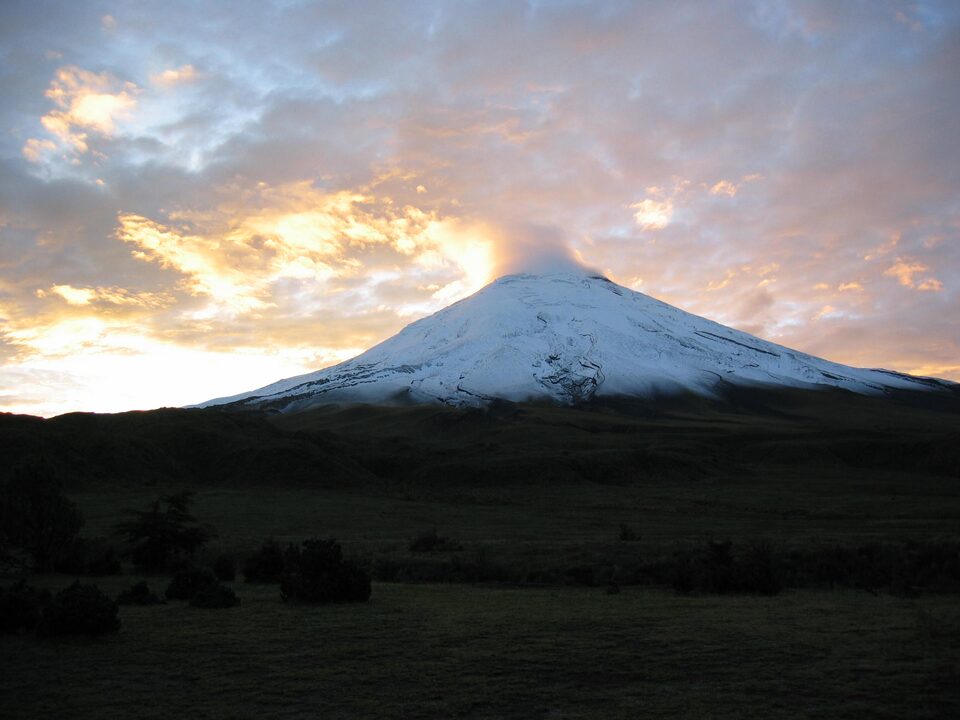
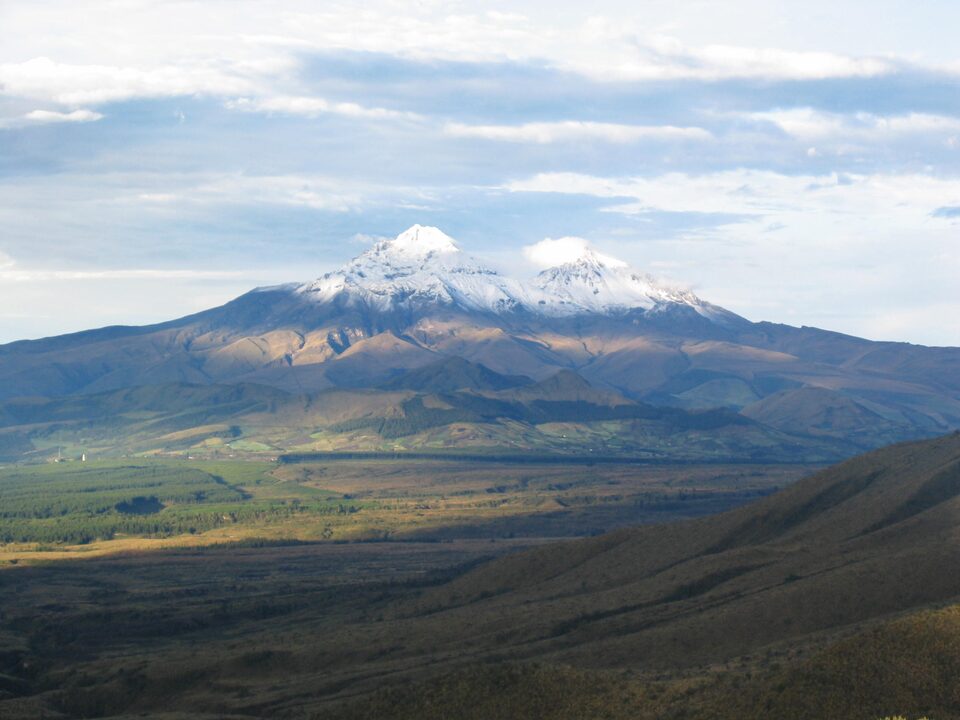
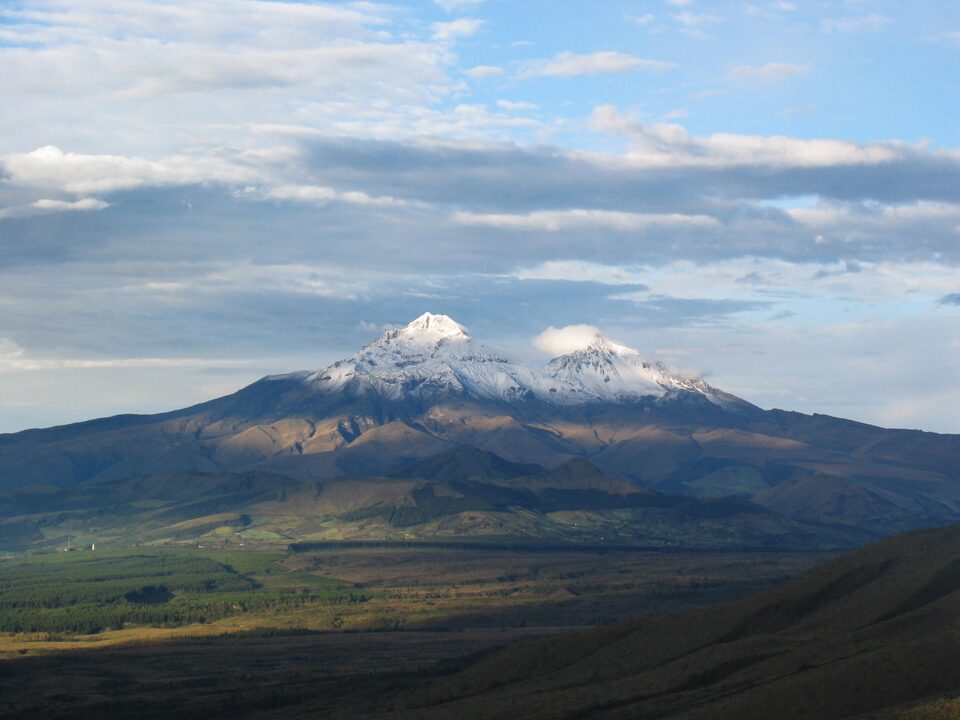
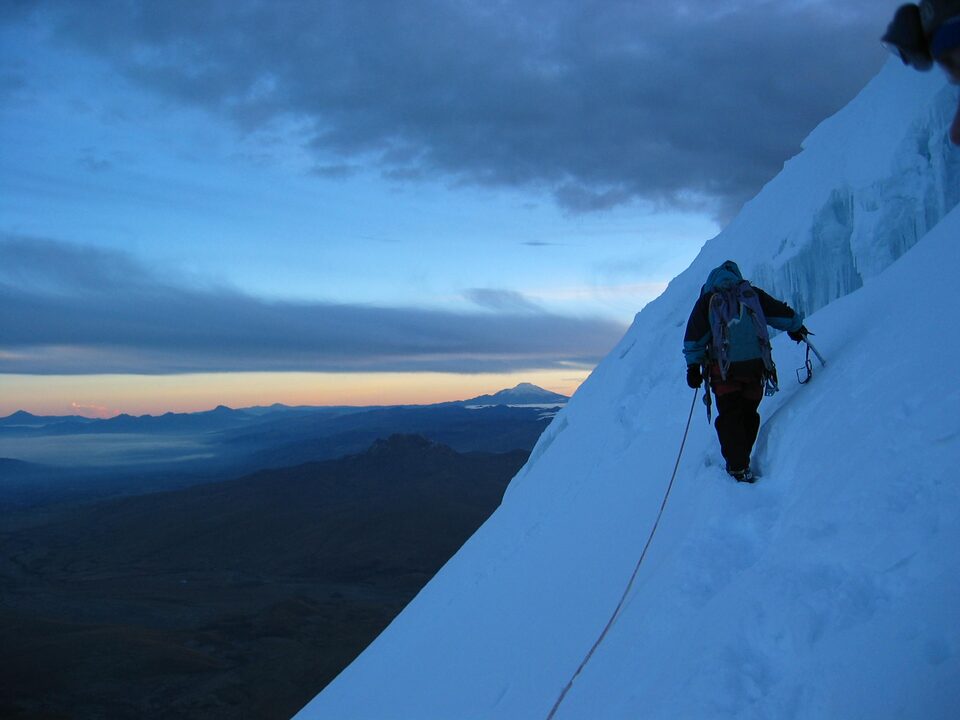
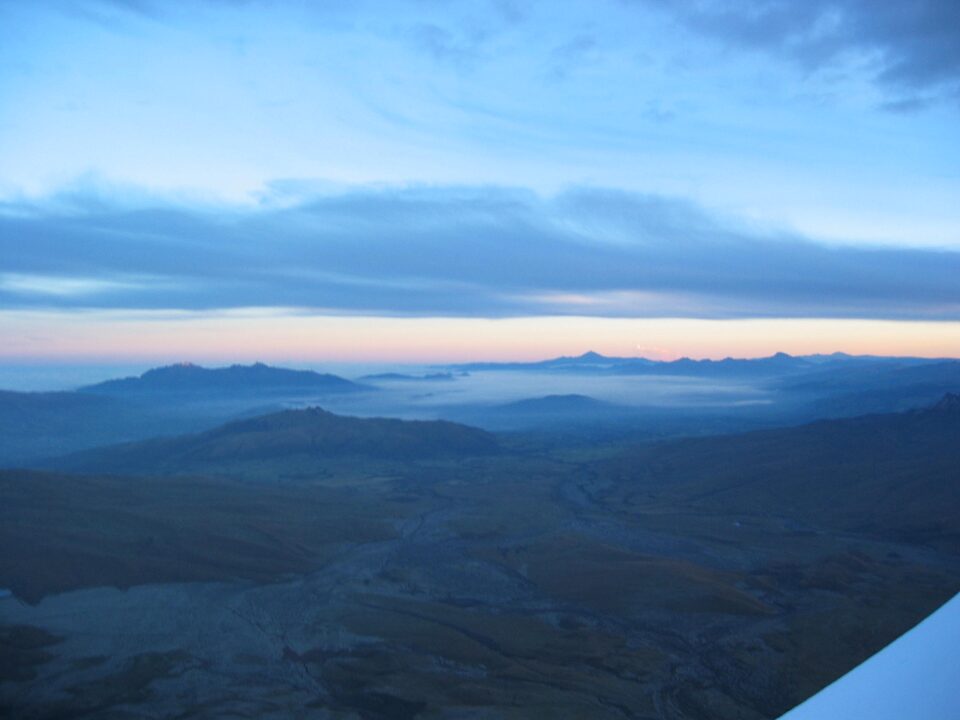
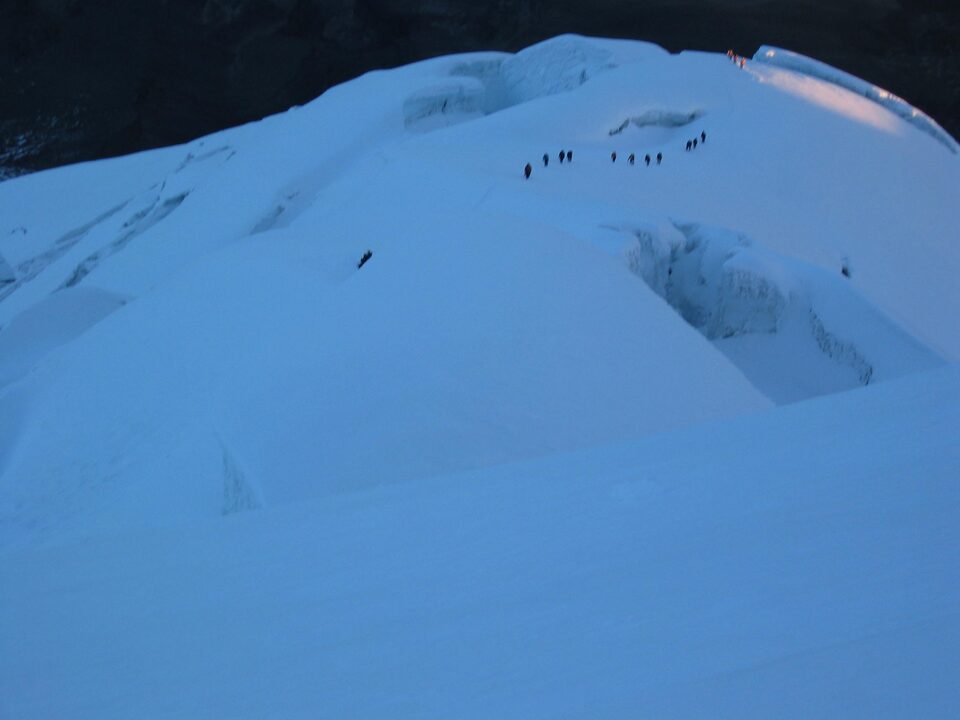
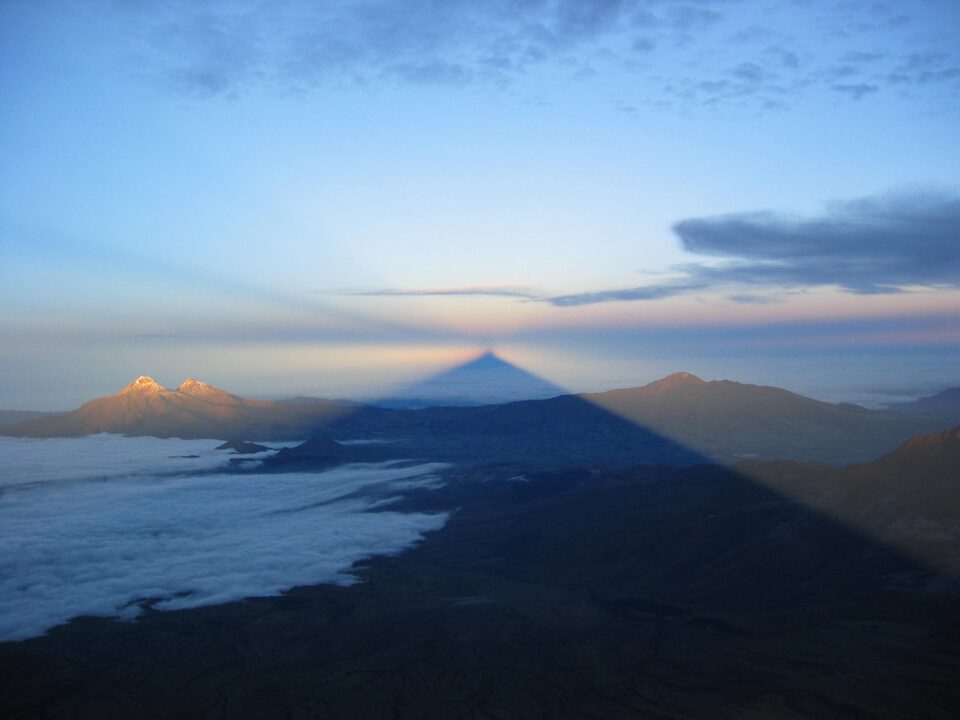
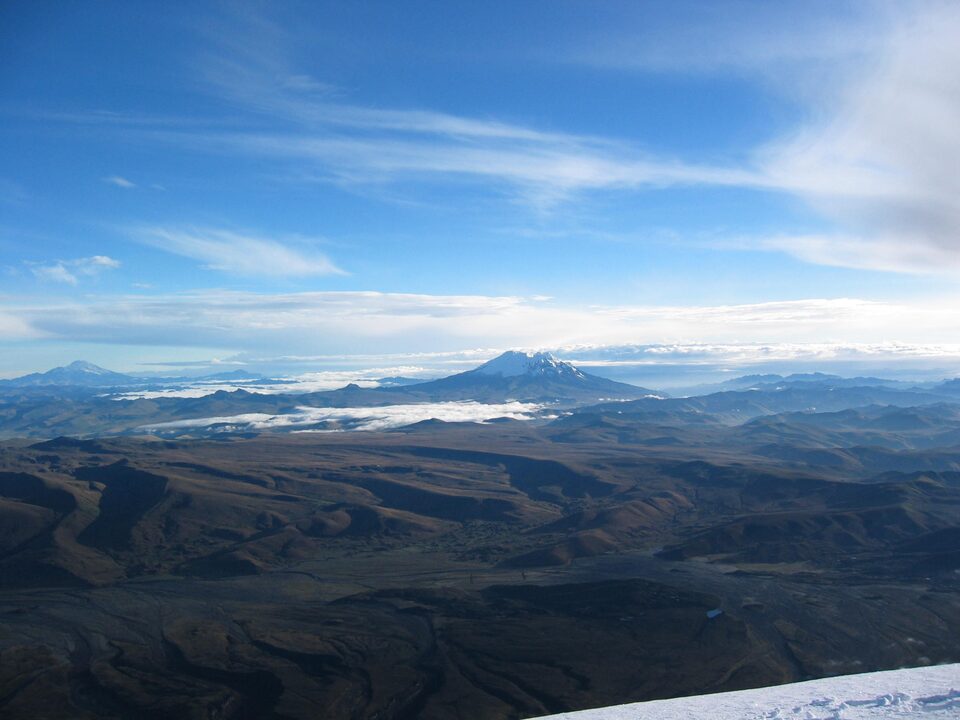
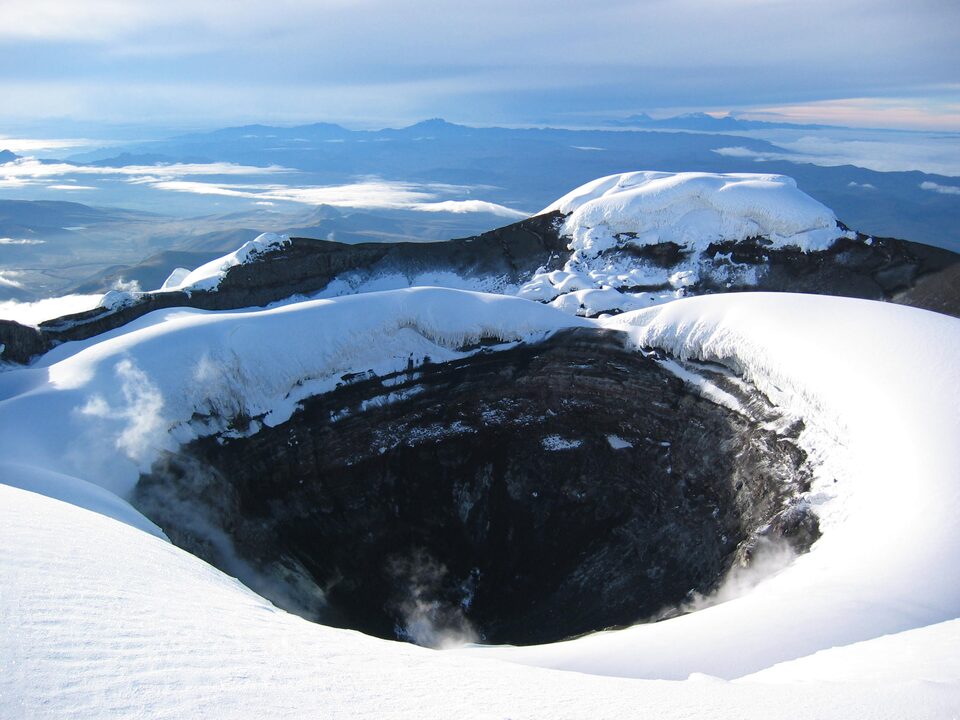
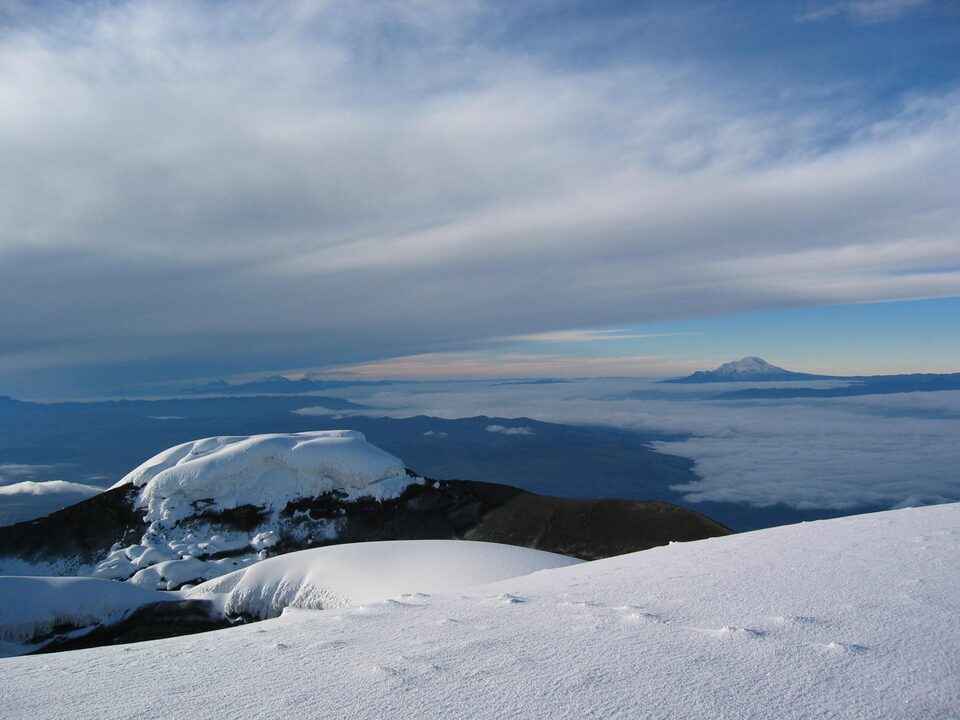
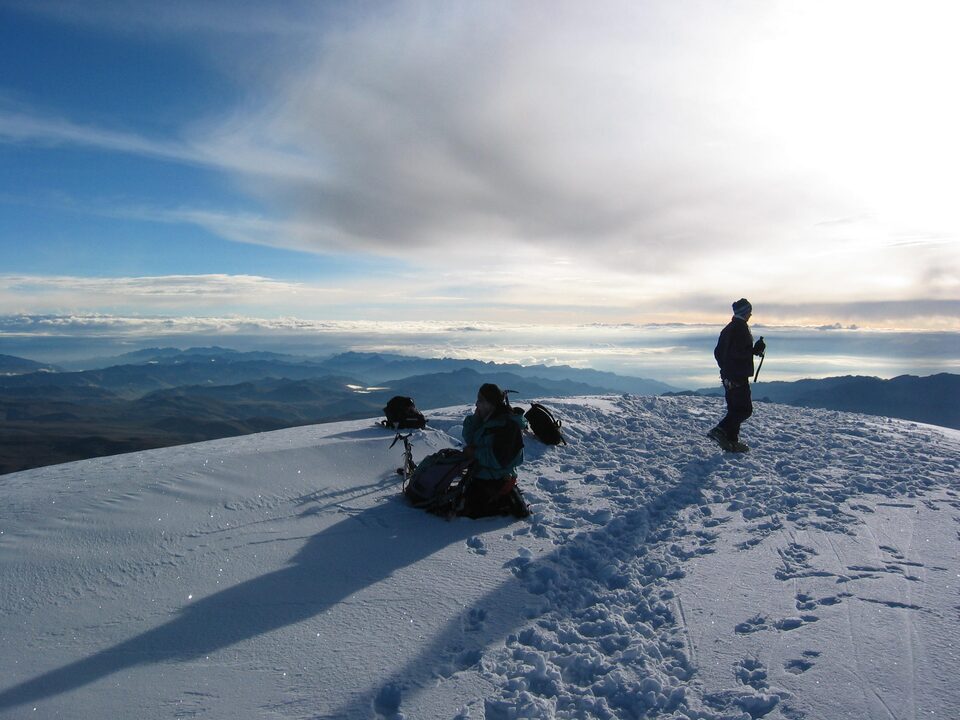
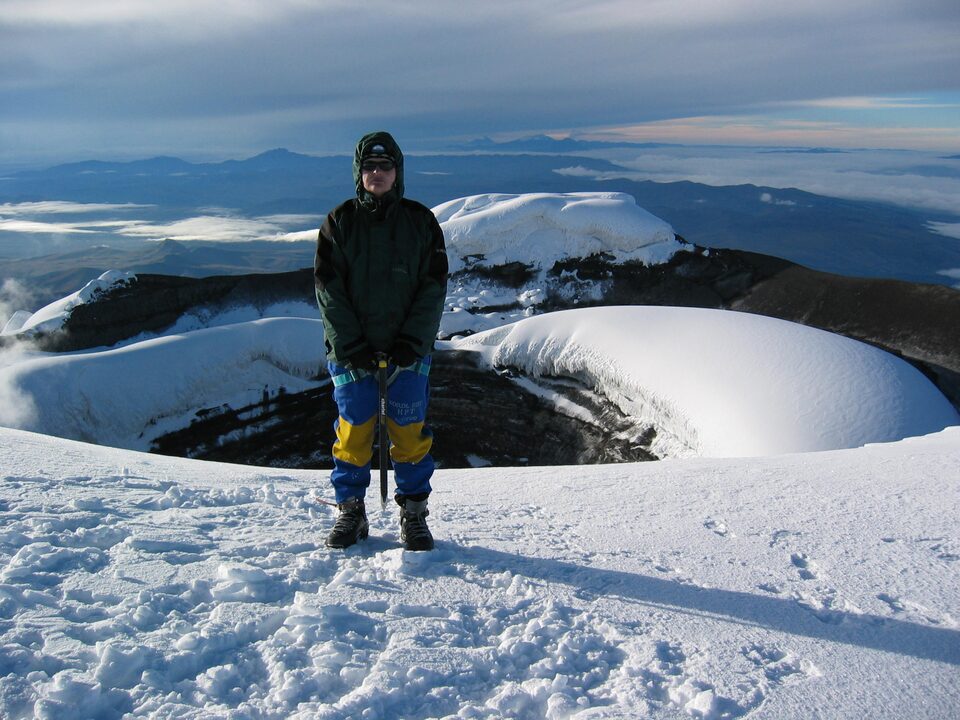
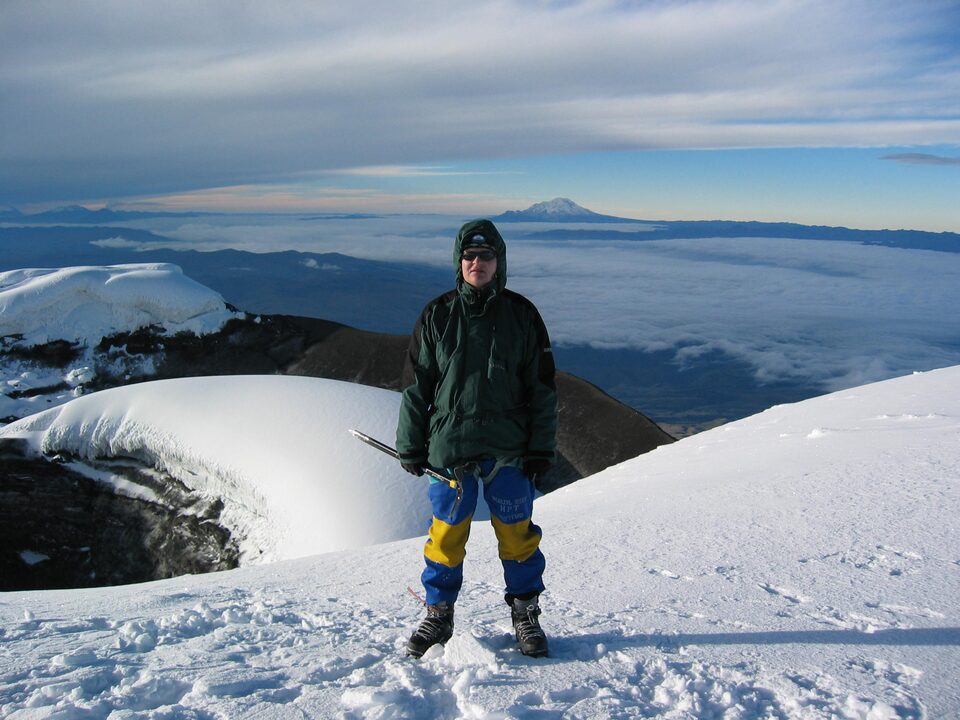
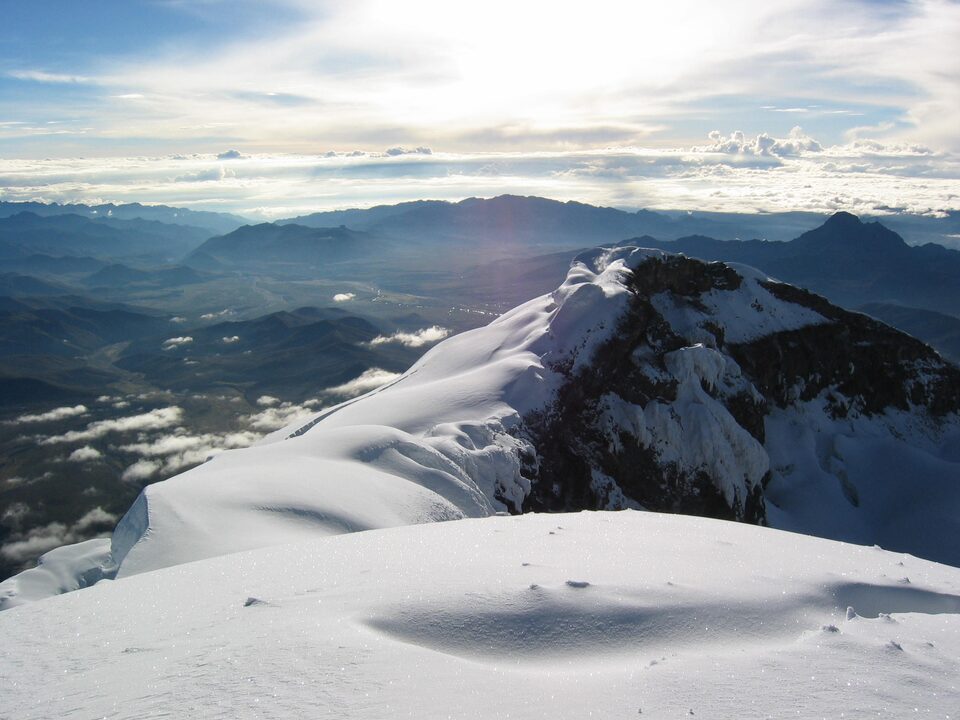
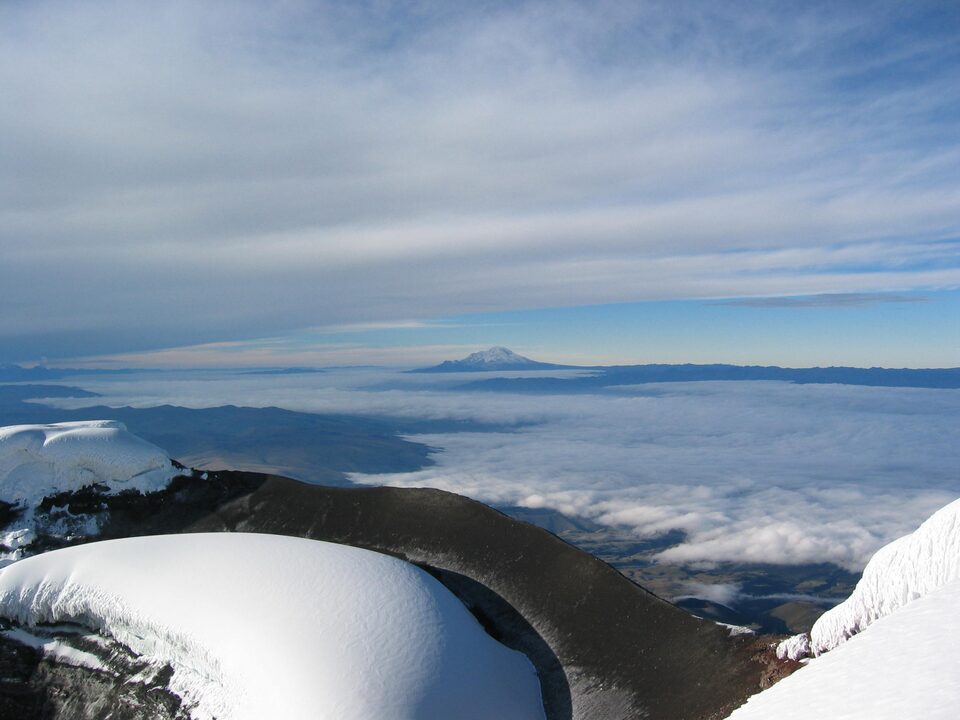
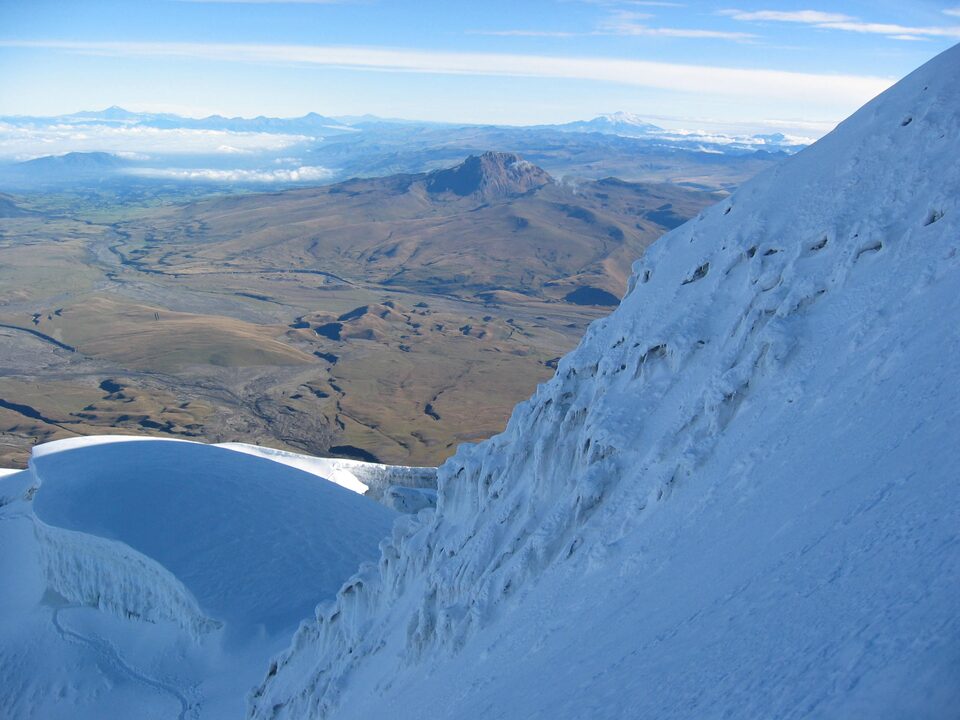
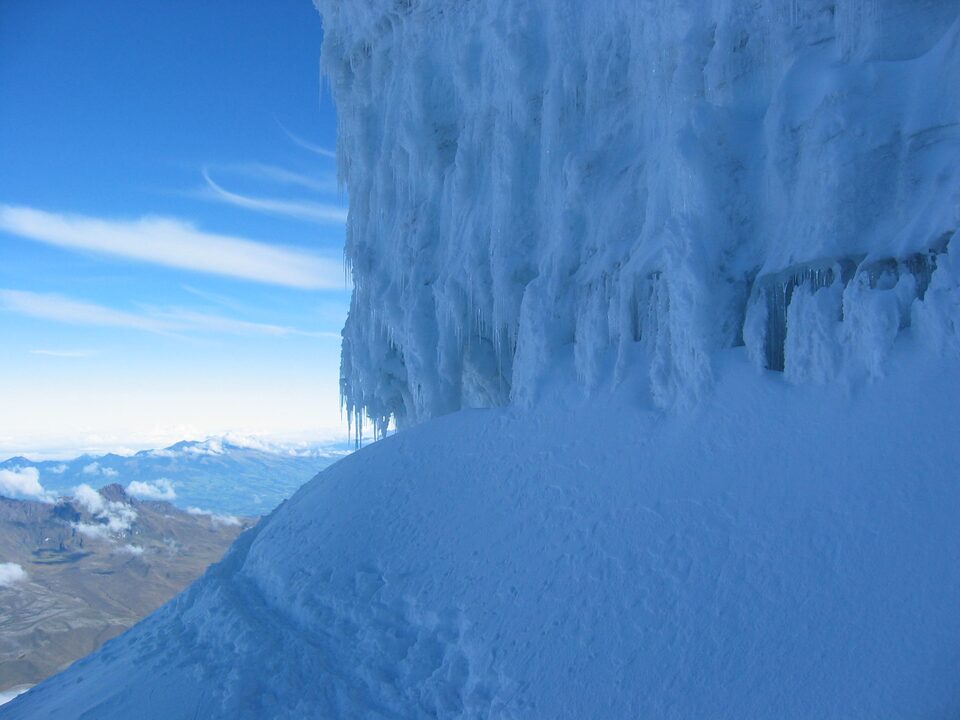
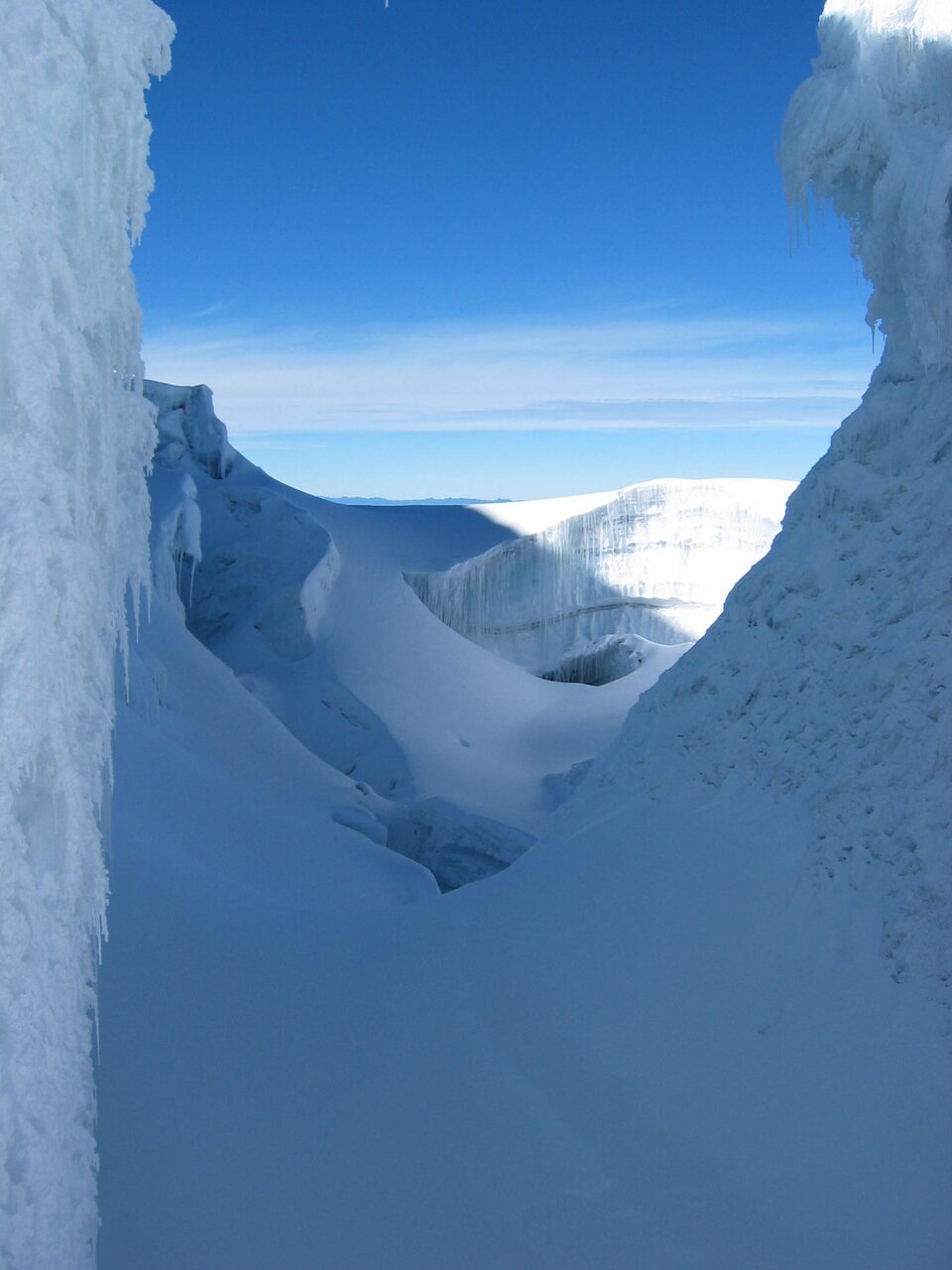
The climb started at midnight from 4600m. It was completely dark and we could only see what our small LED lights could illuminate. Twilight came a bit before 6am and we could finally see what we were doing.. After seven hours of hard climb we finally reached the top at 5897m! Previous days were quite cloudy but now the sky was clear and we had excellent scenery.


Galapagos trip - Puerto Ayora and some sceneries
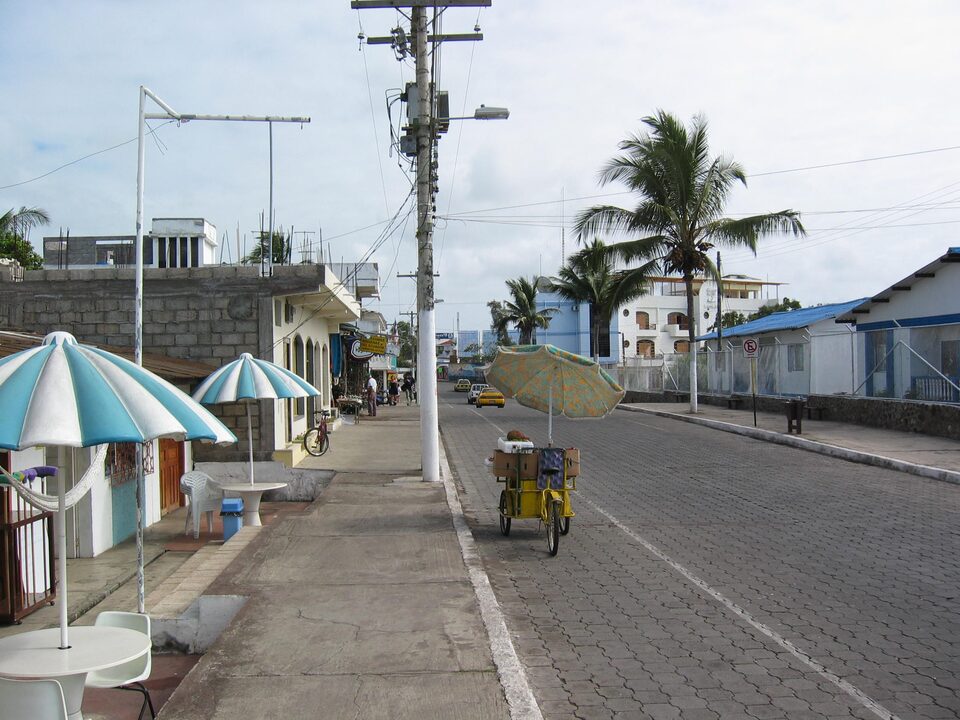
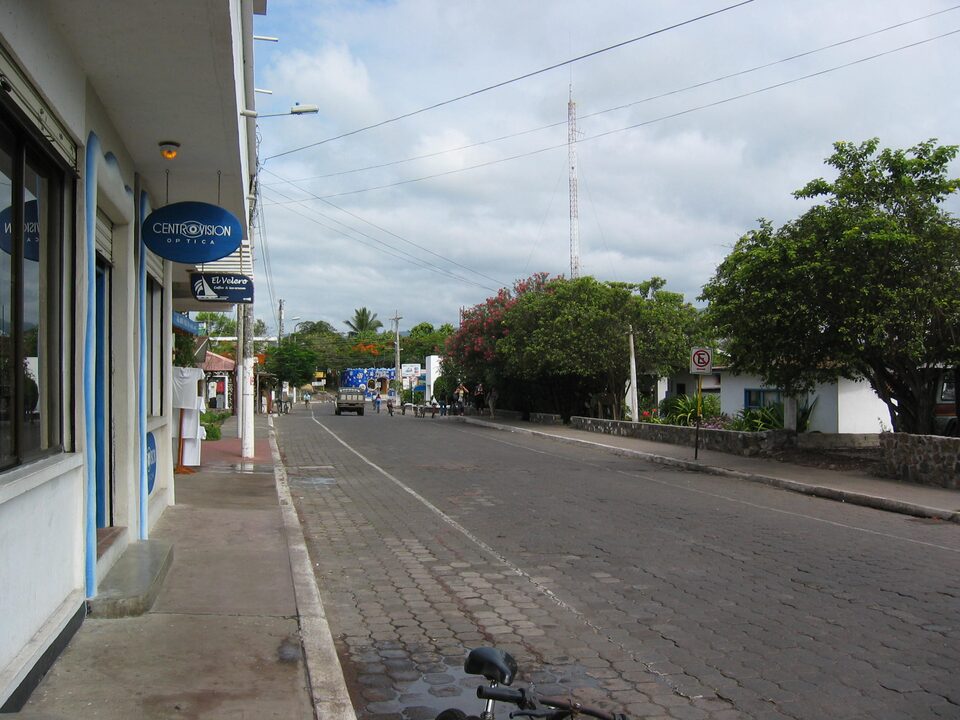
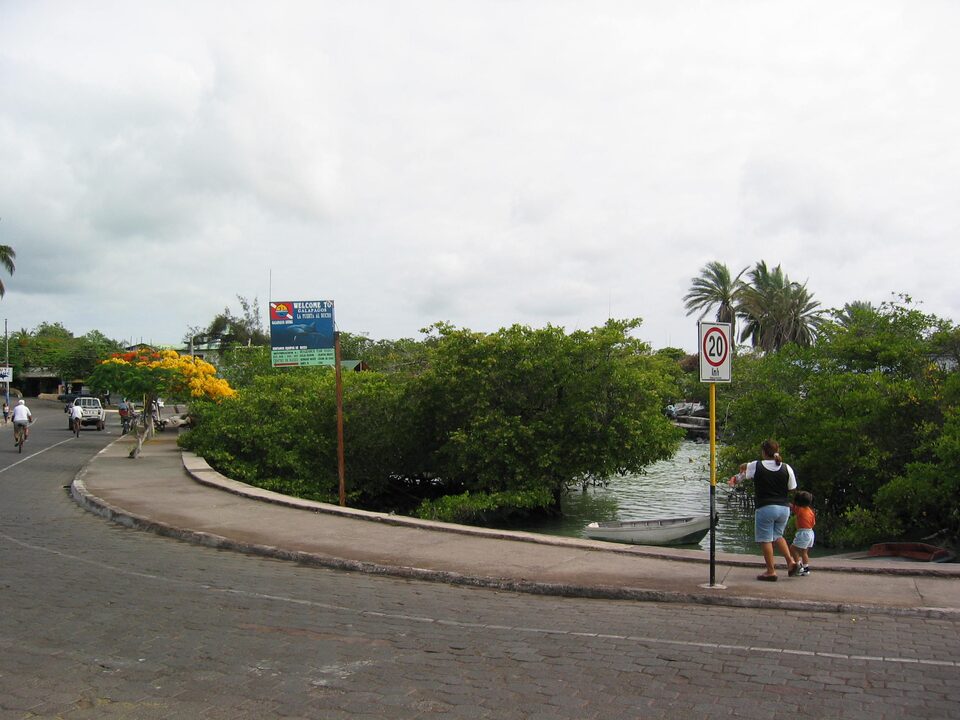
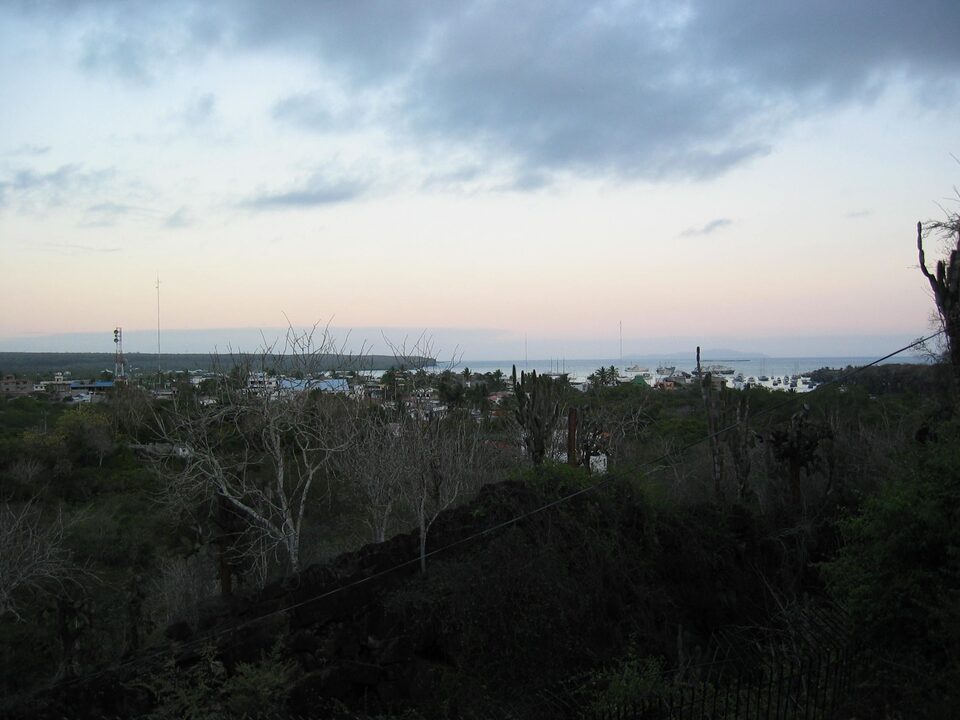
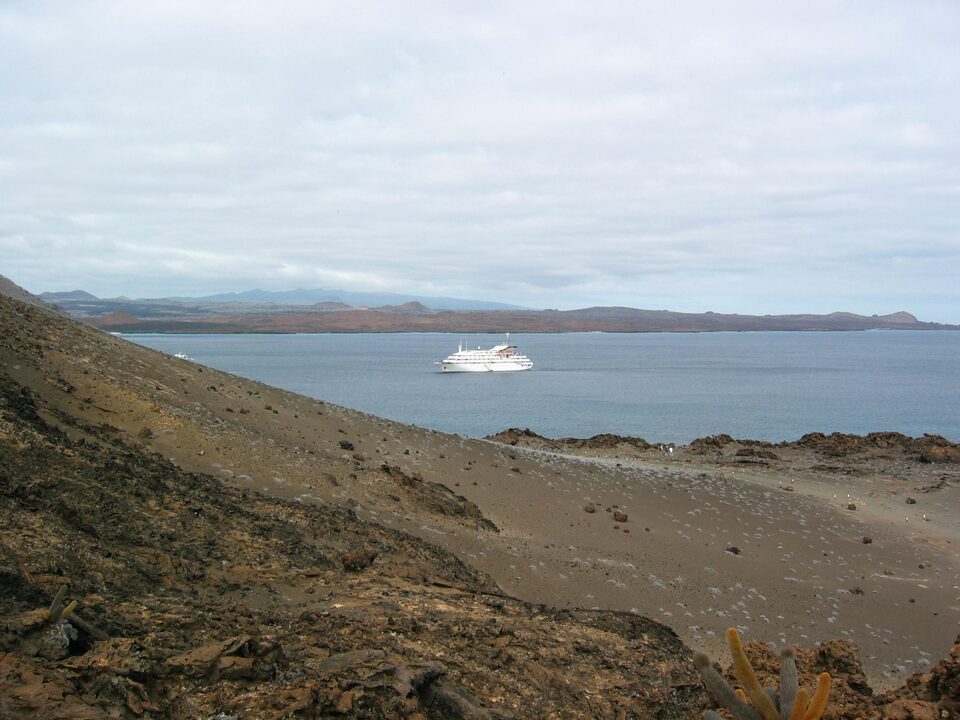
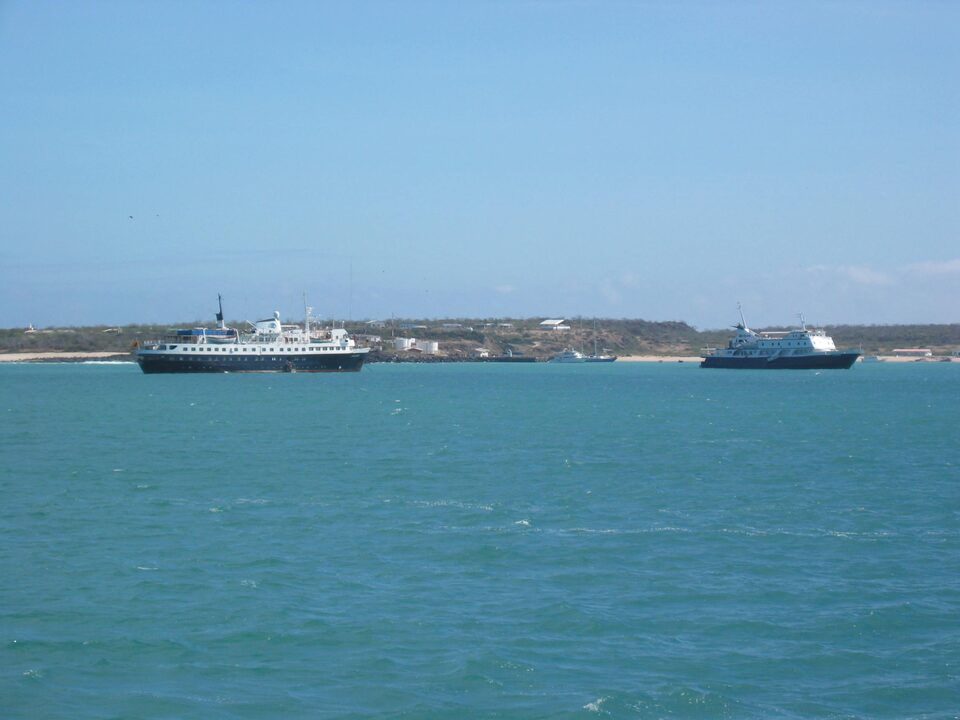
The last part of our trip was 10 days in Galapagos. We spent the first two days in the biggest town, Puerto Ayora, and then boarded M/Y Mistral for one week liveaboard diving / naturalist cruise. 10 days was far too short. I think one week of diving and at least one week of land visits is the minimum.
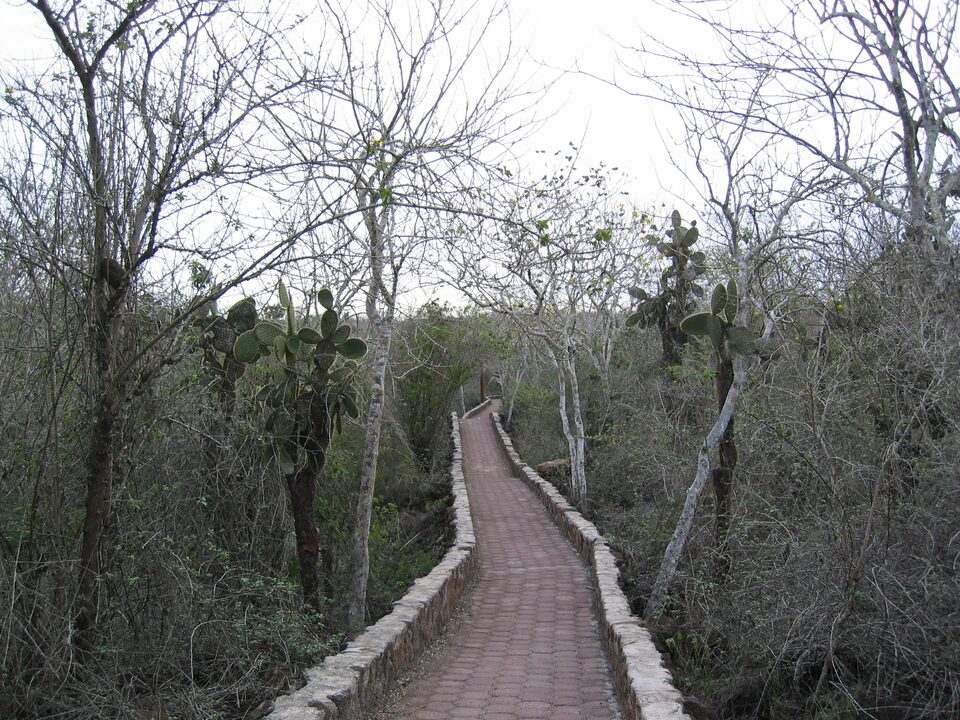
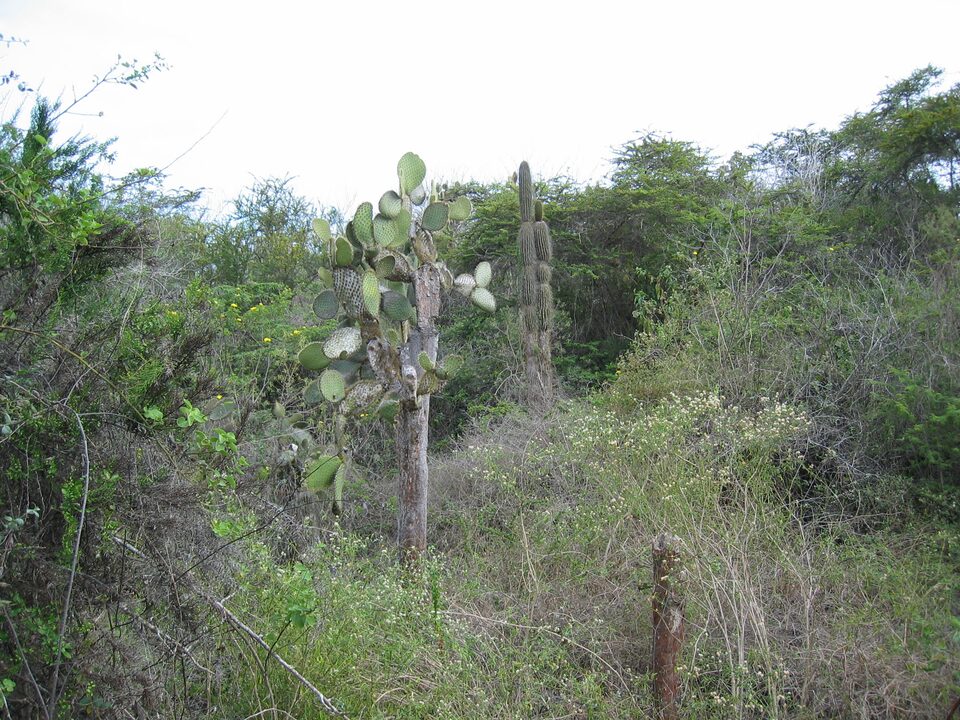
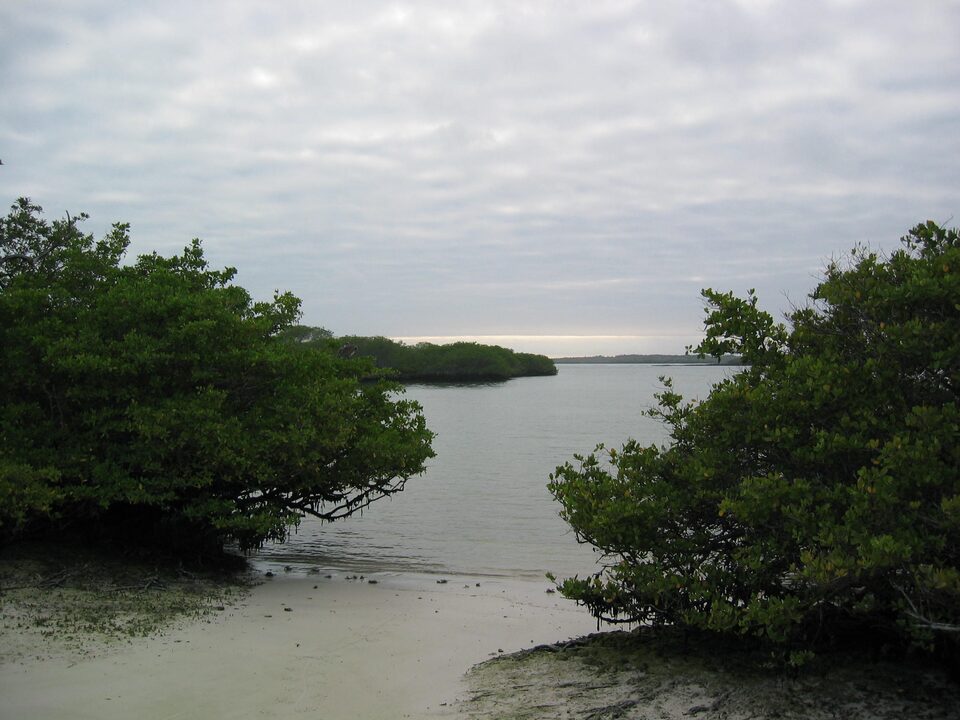
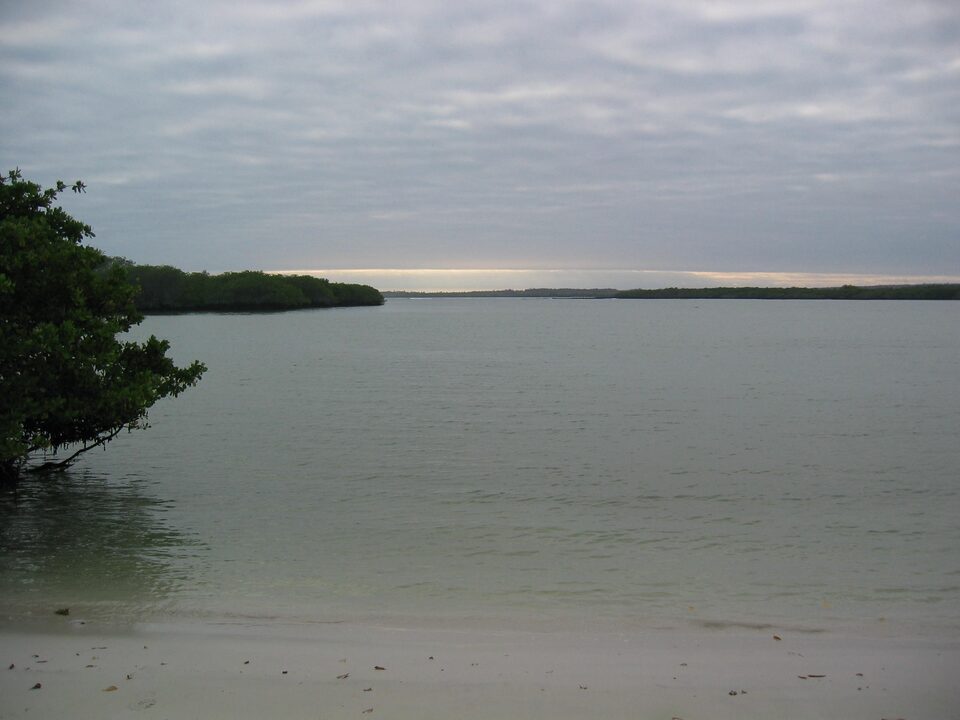
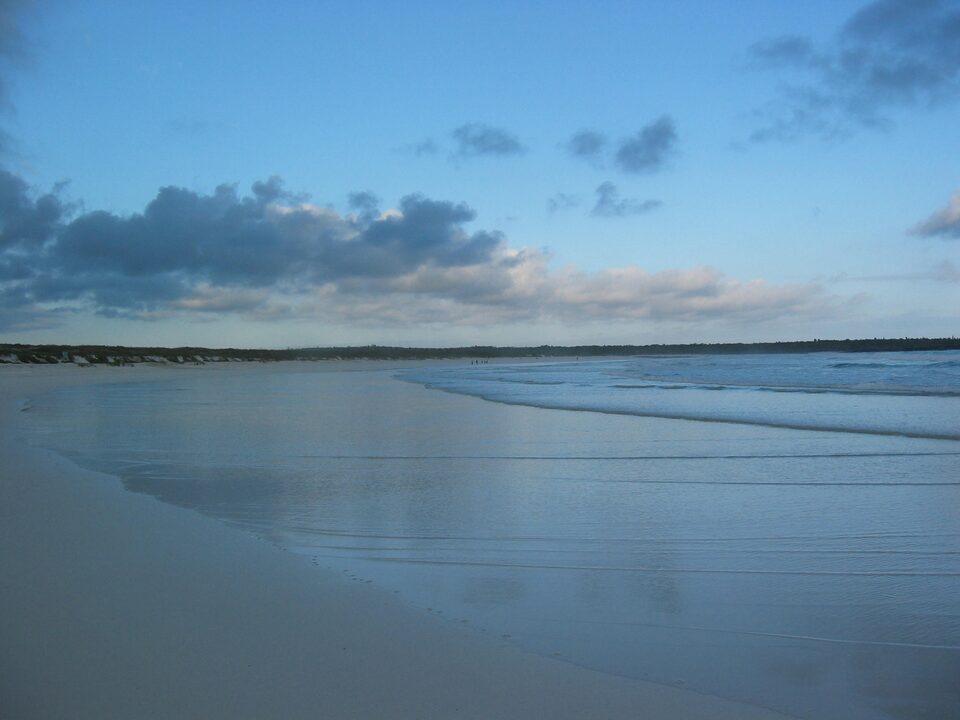
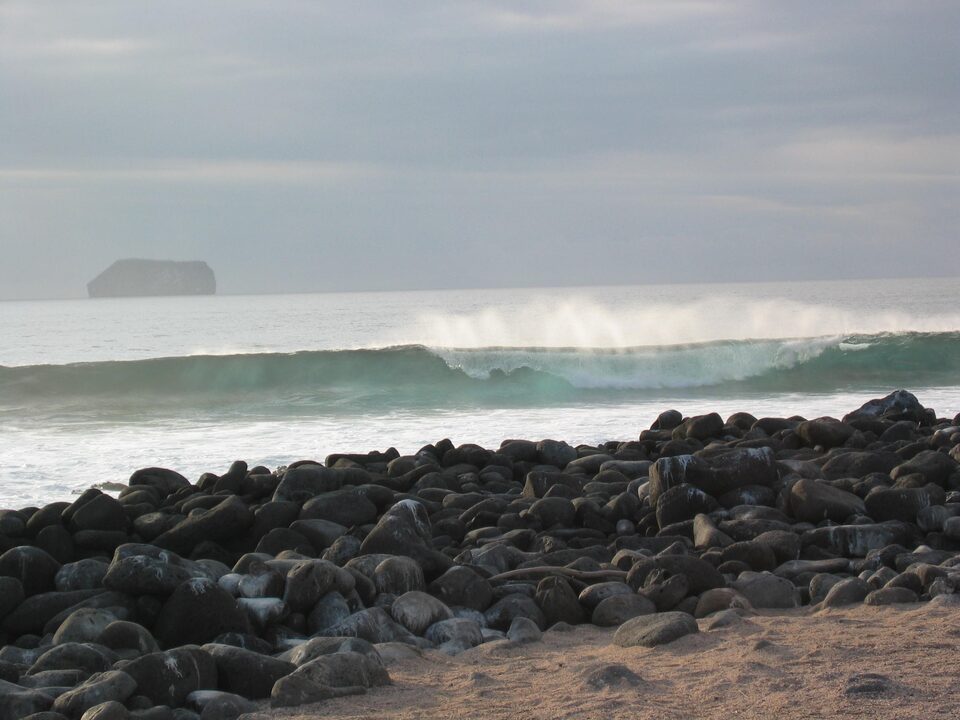
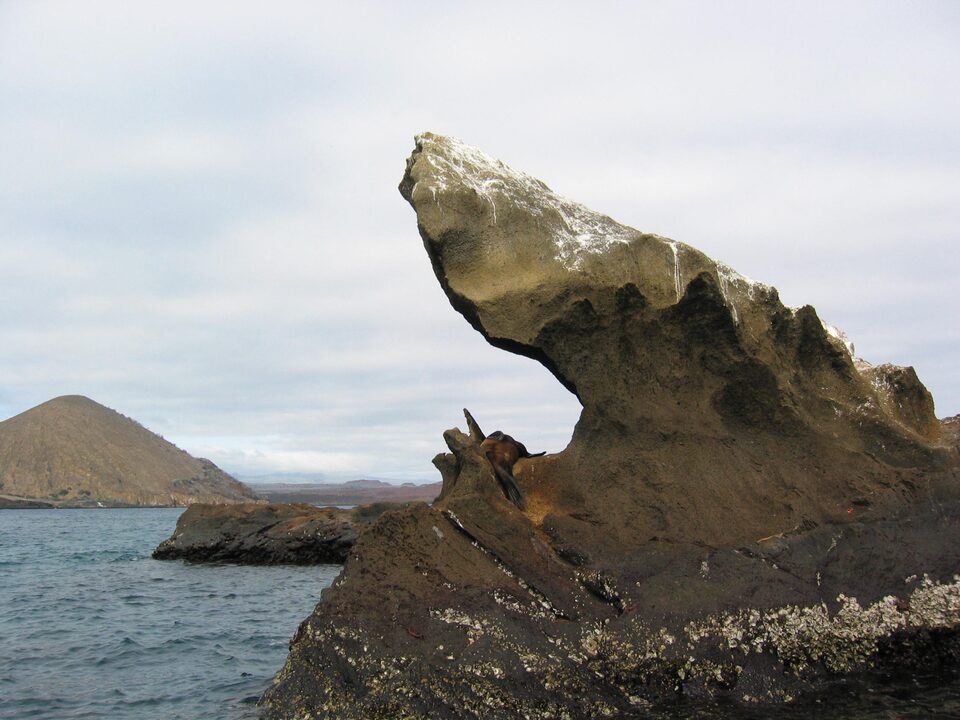
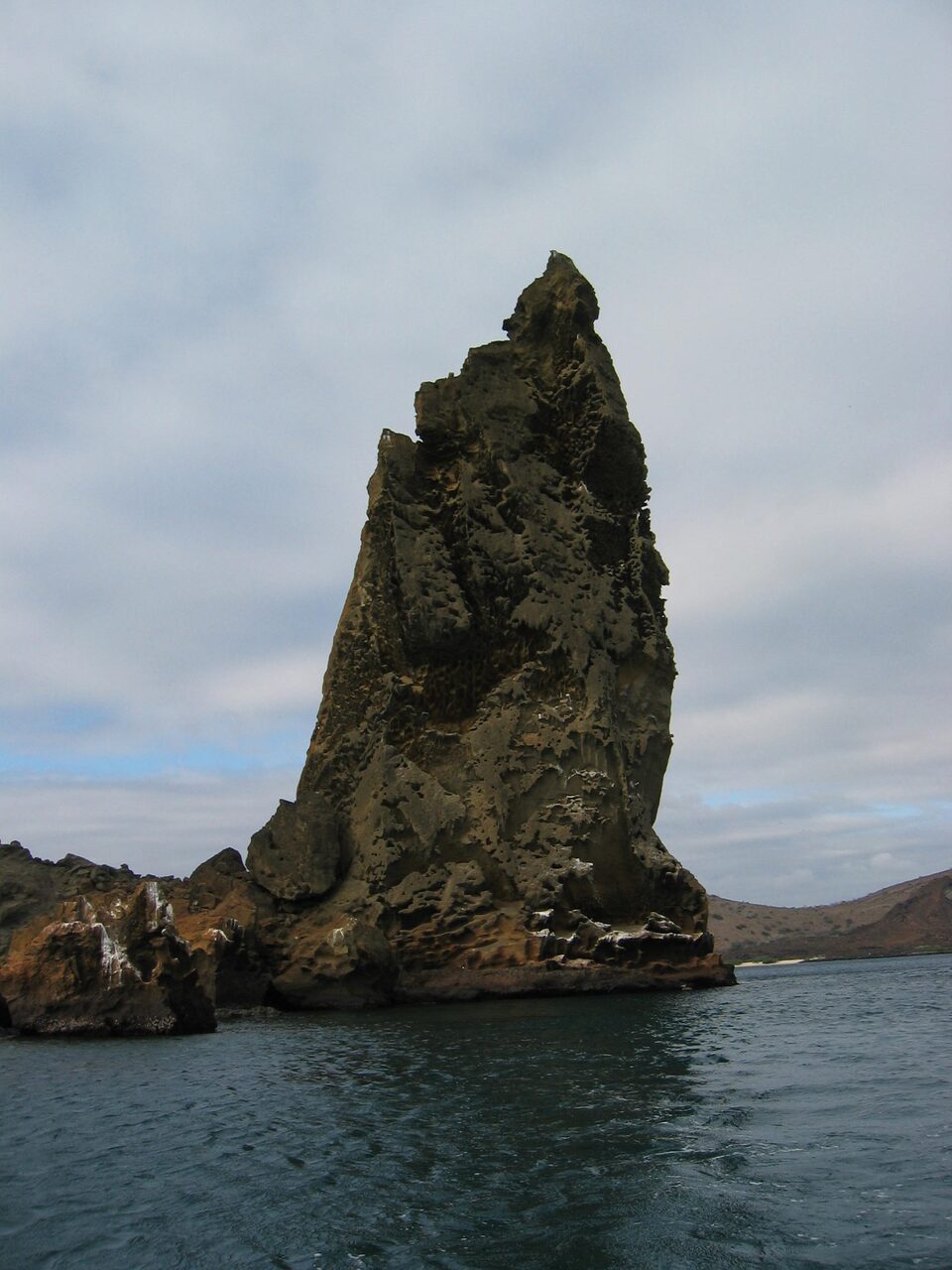
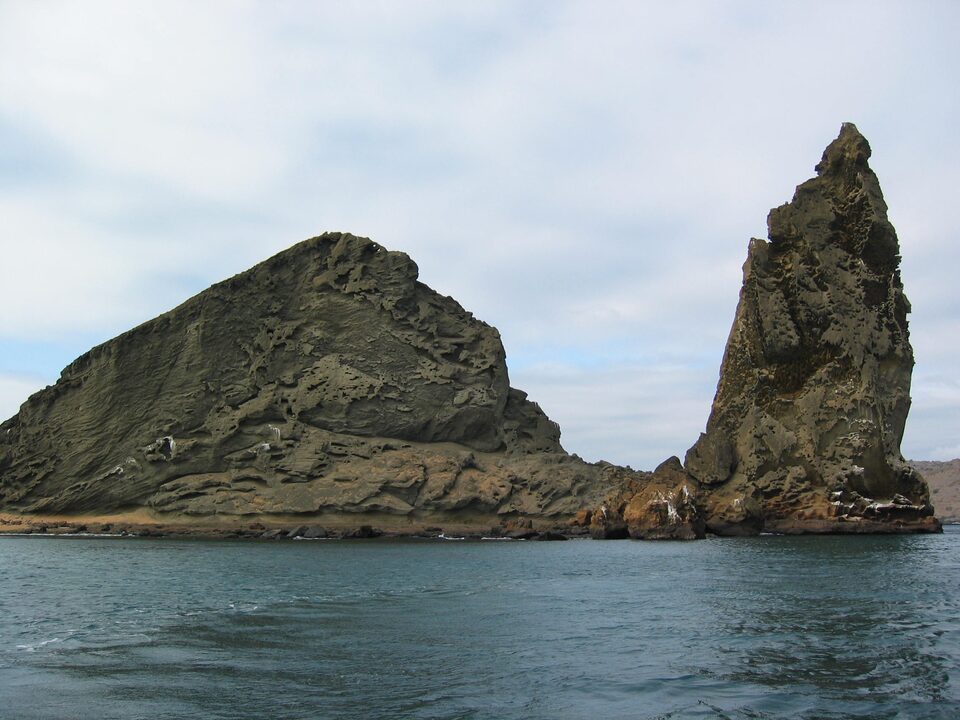
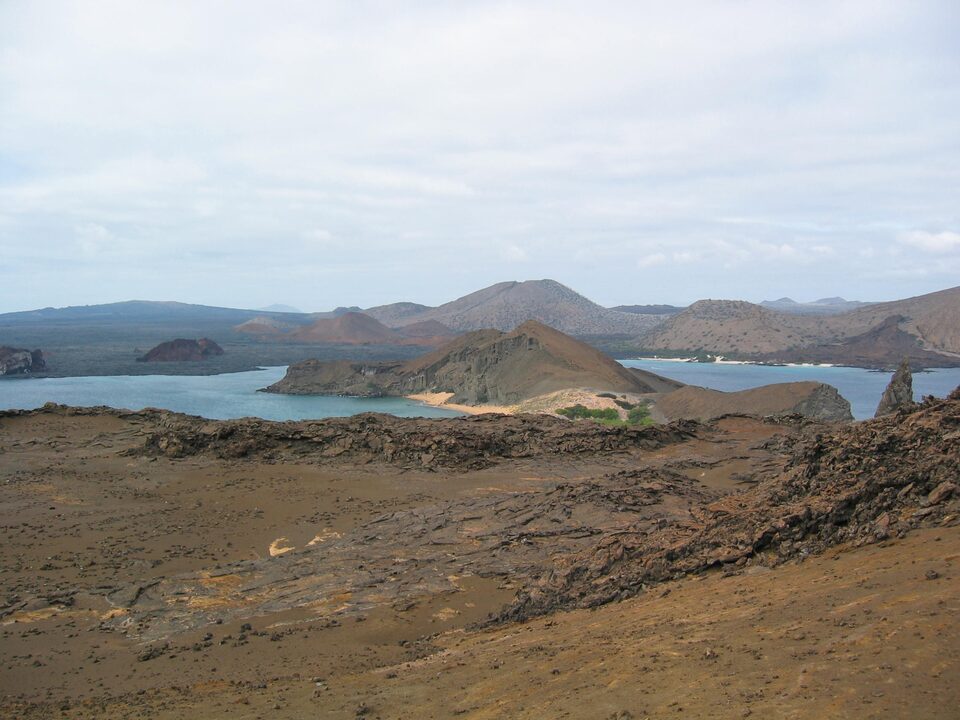
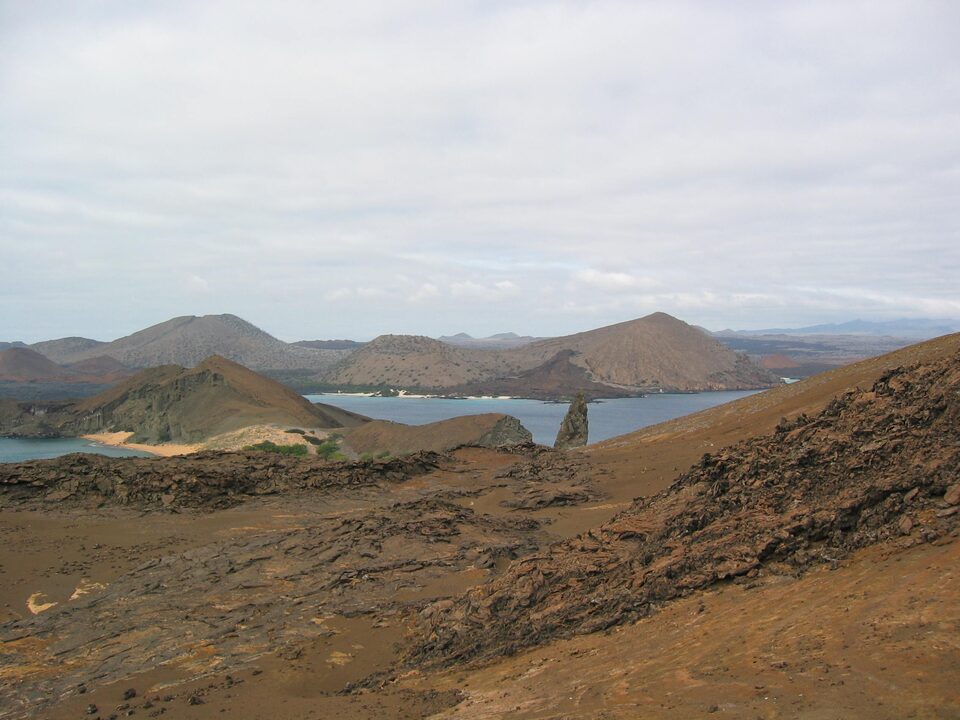
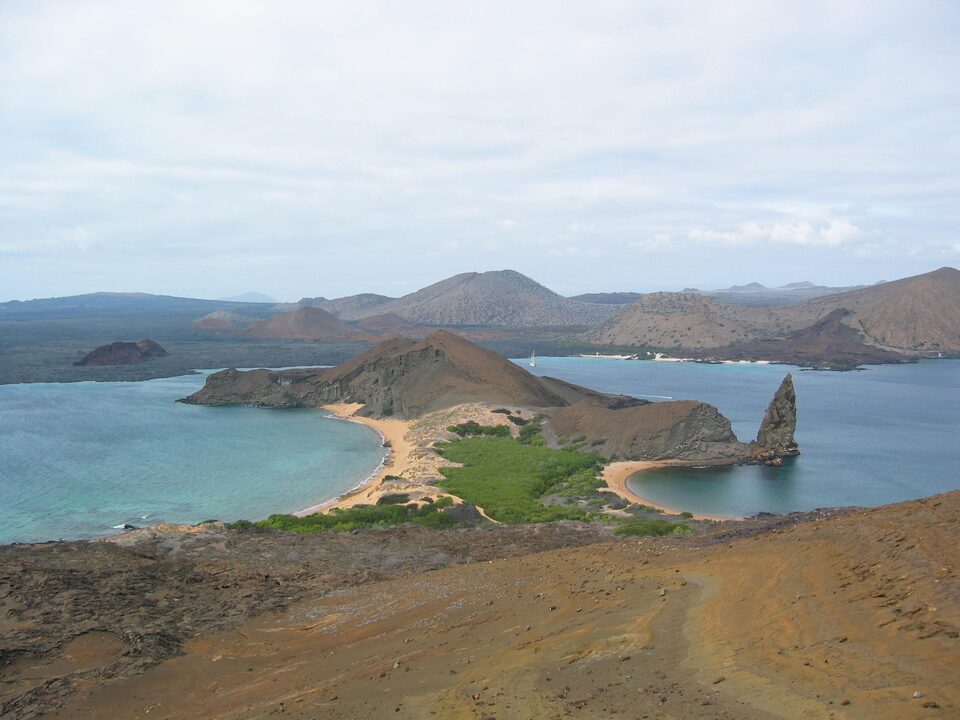
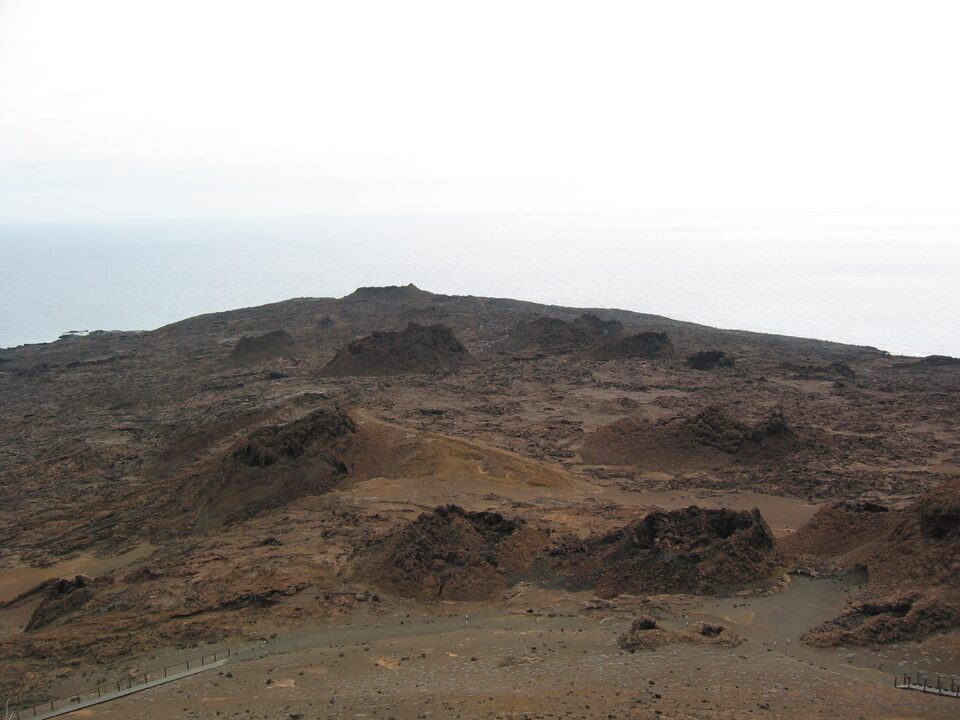
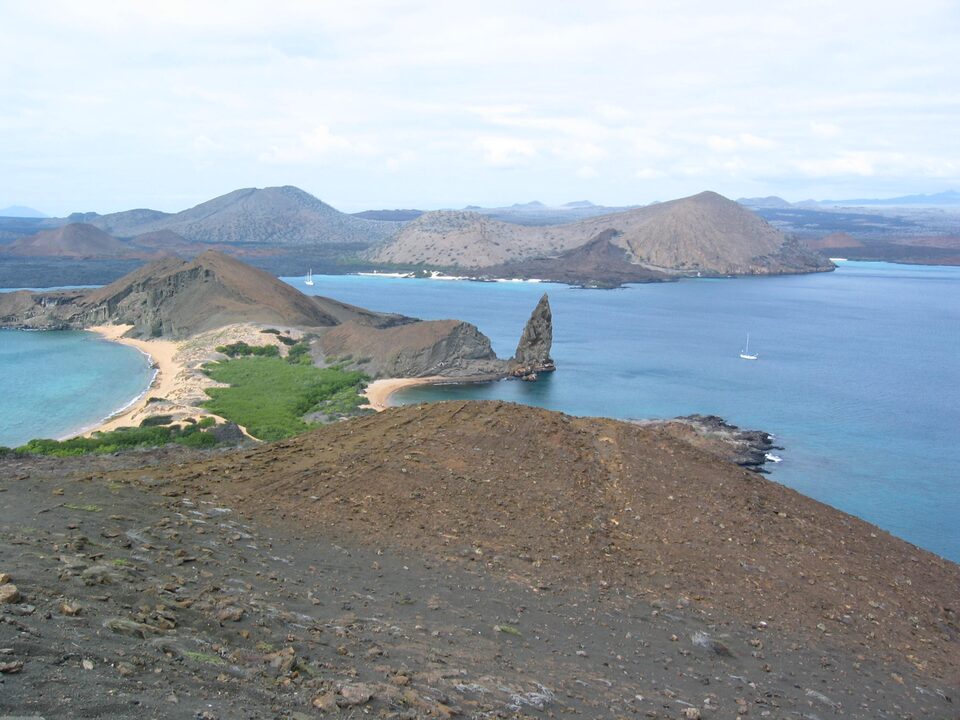
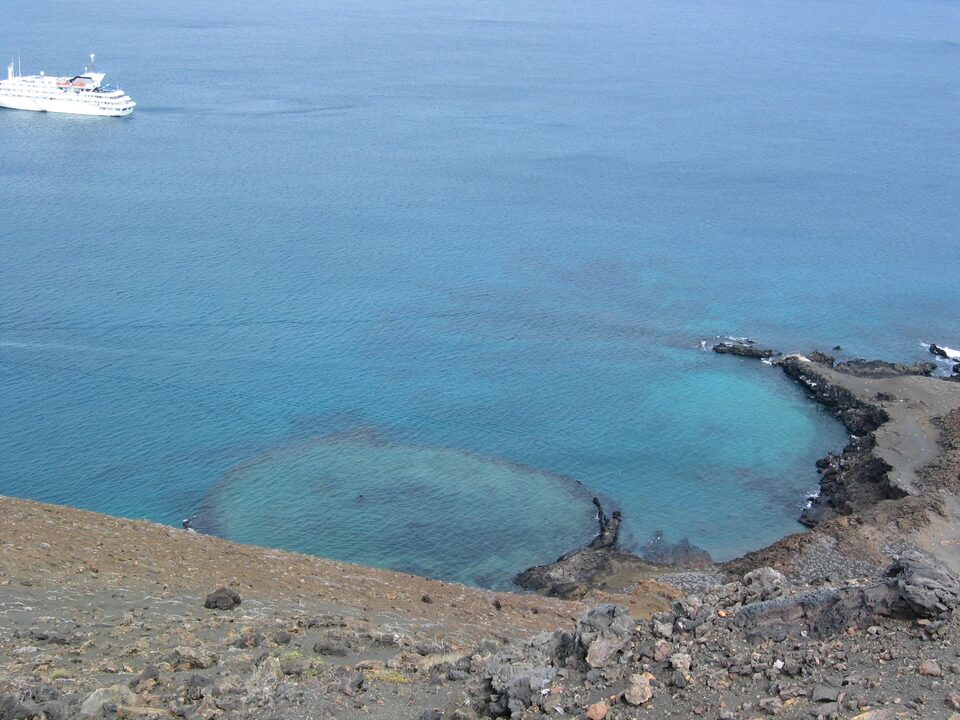
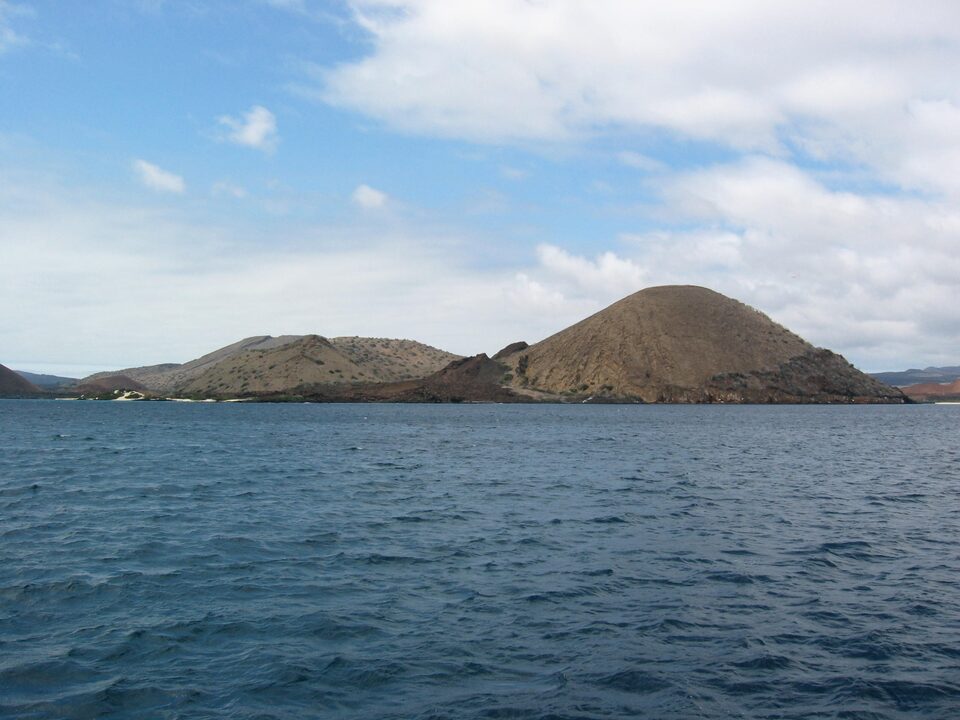
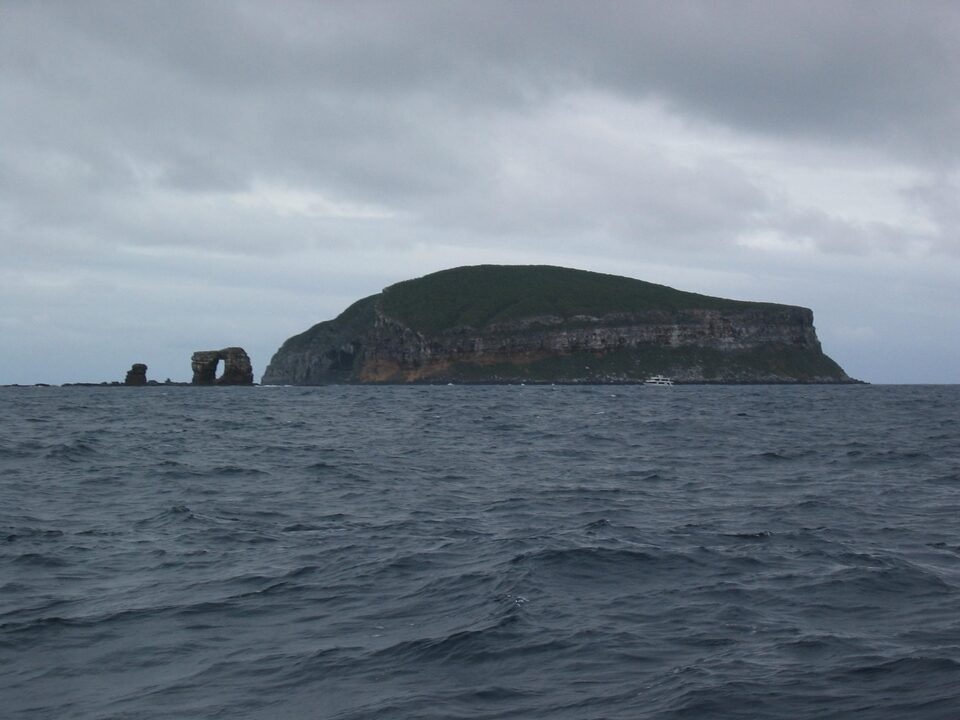
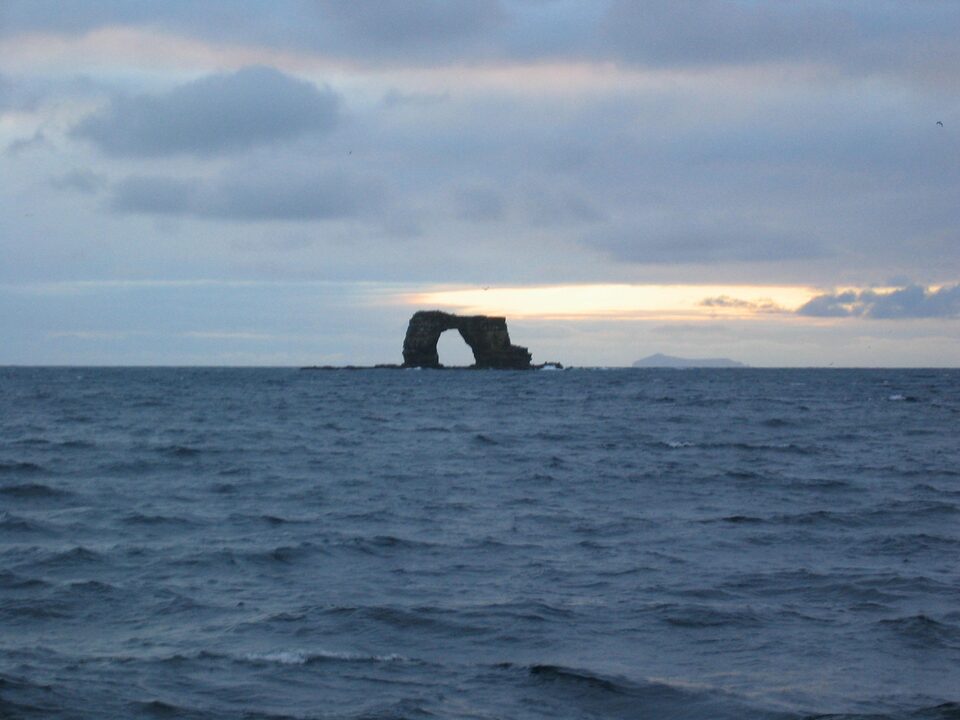
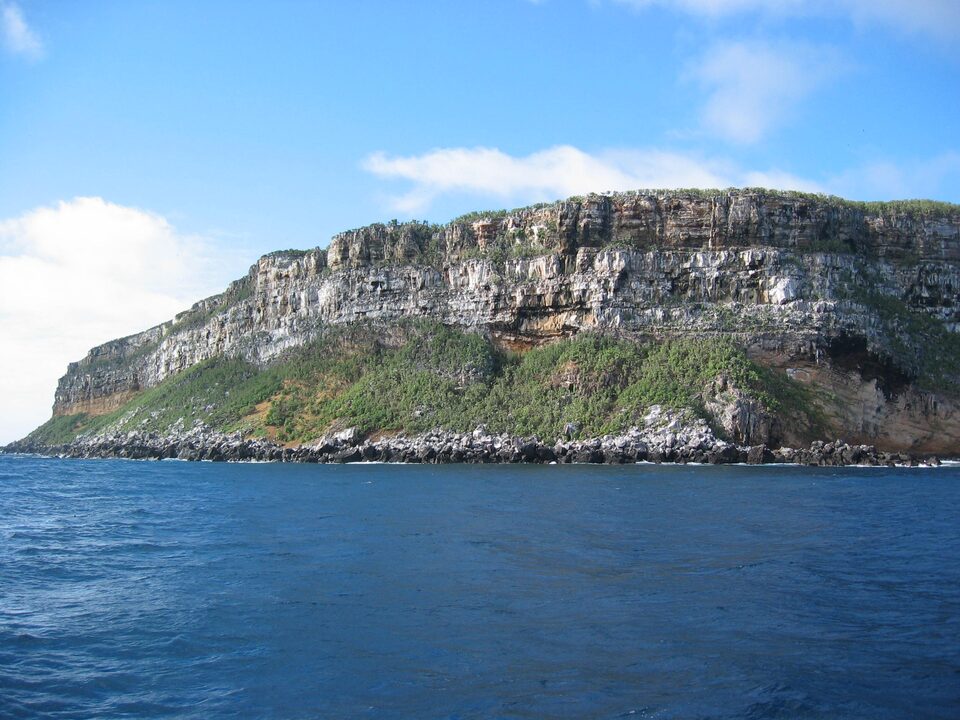
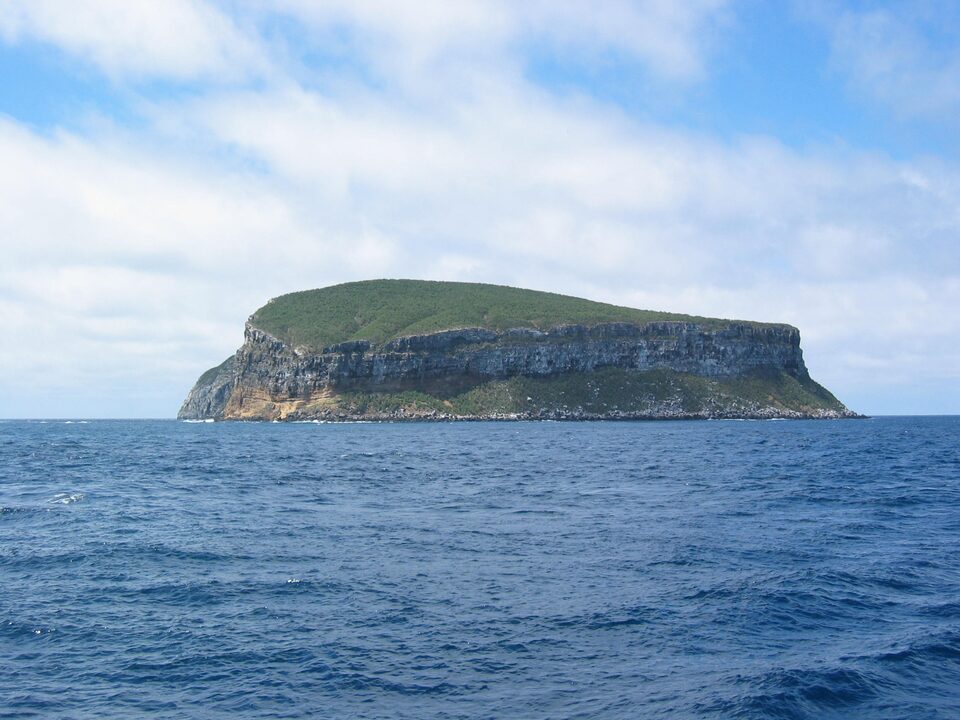
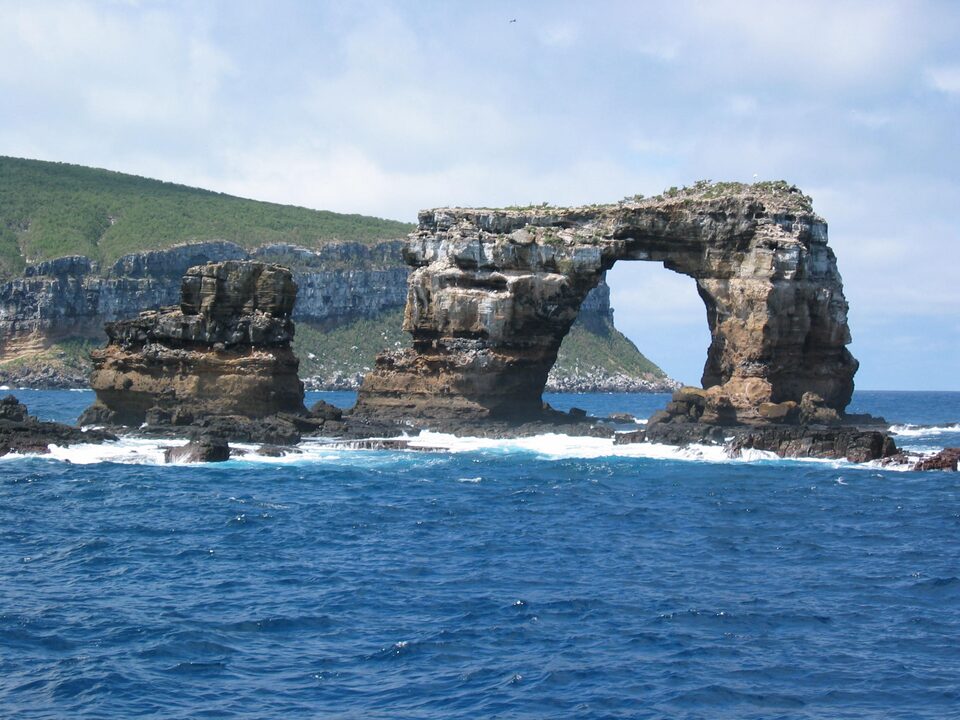
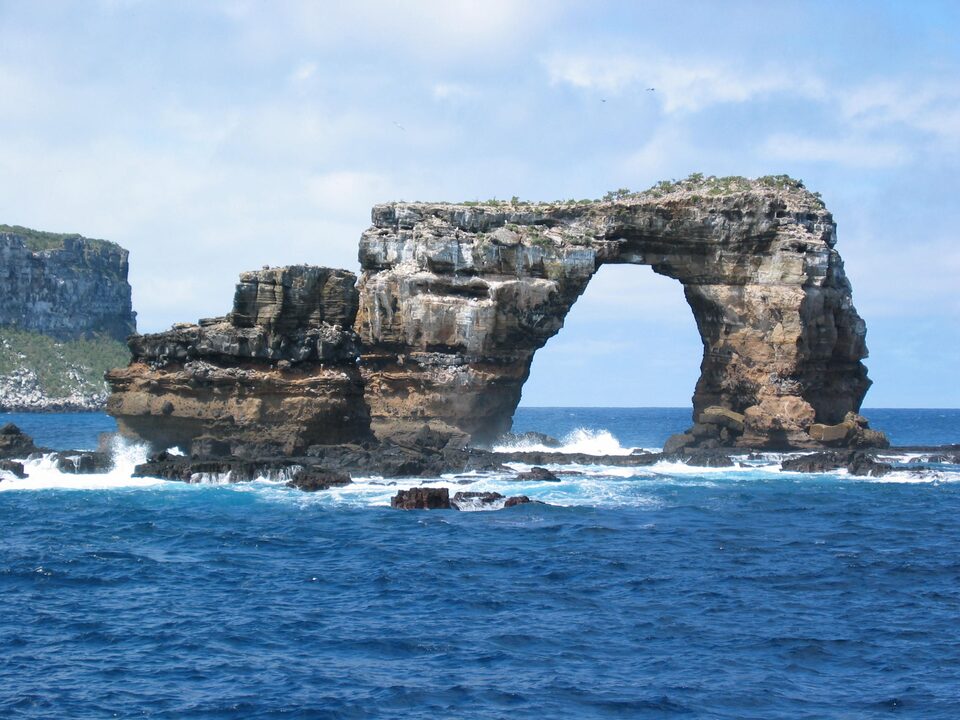
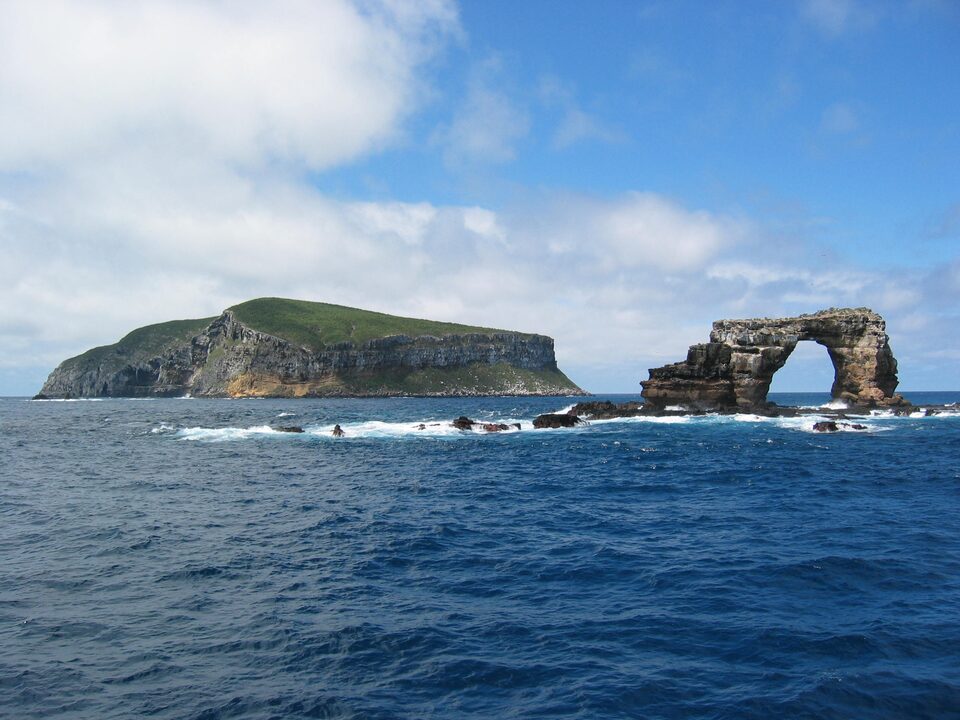
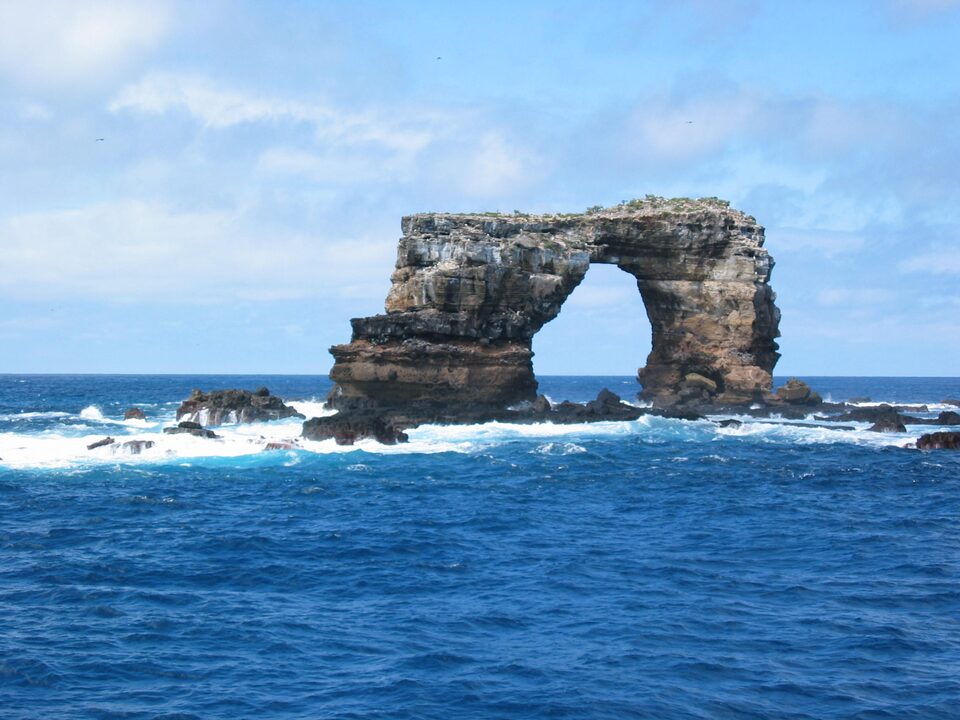
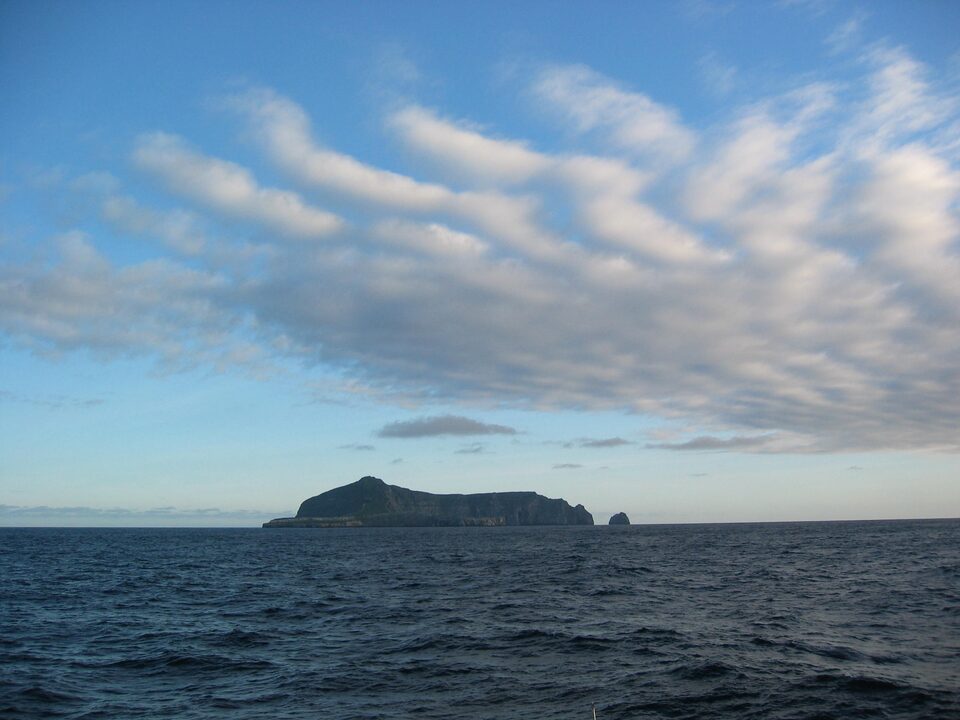
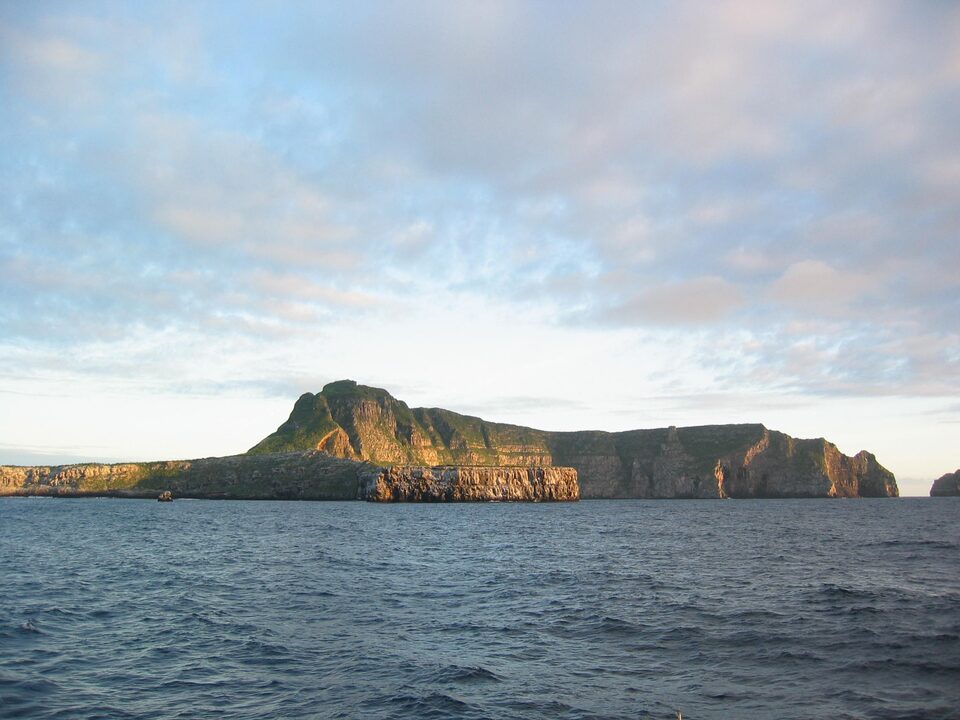
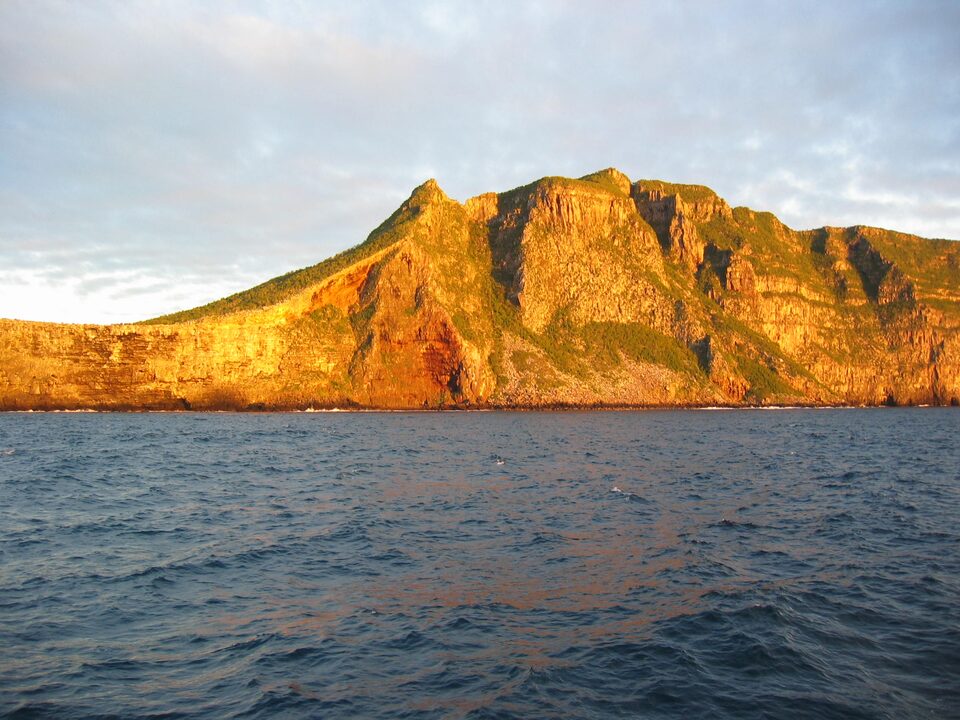
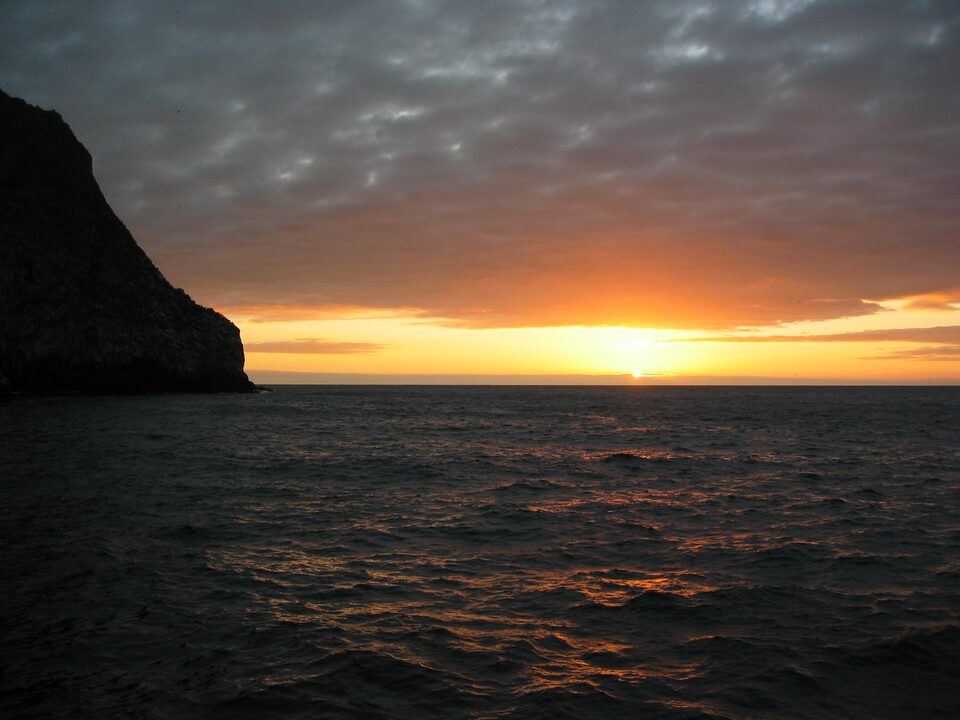
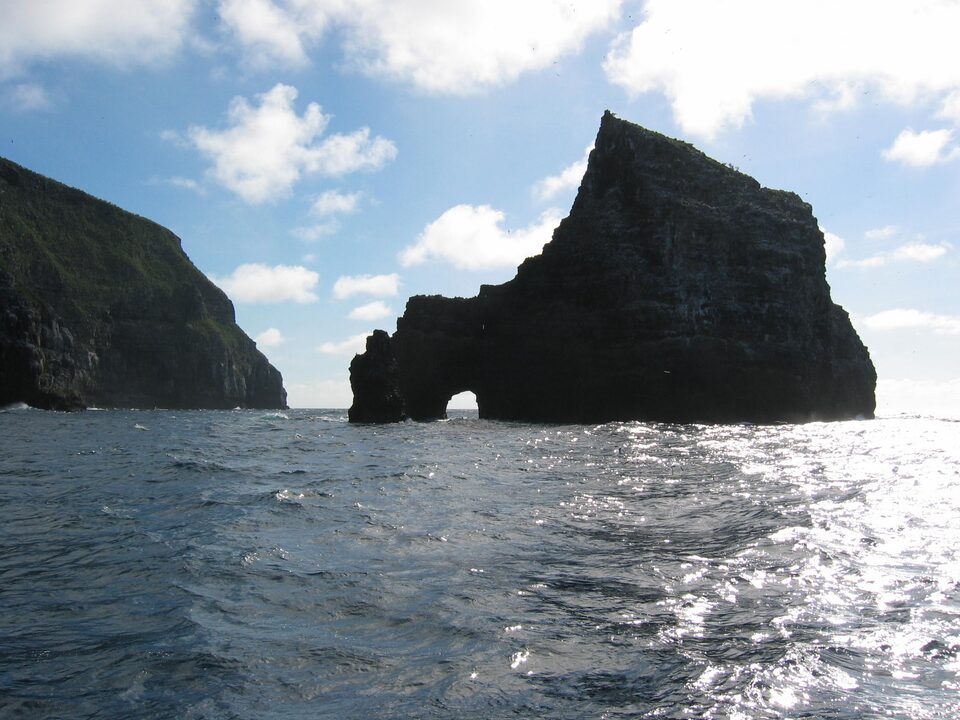
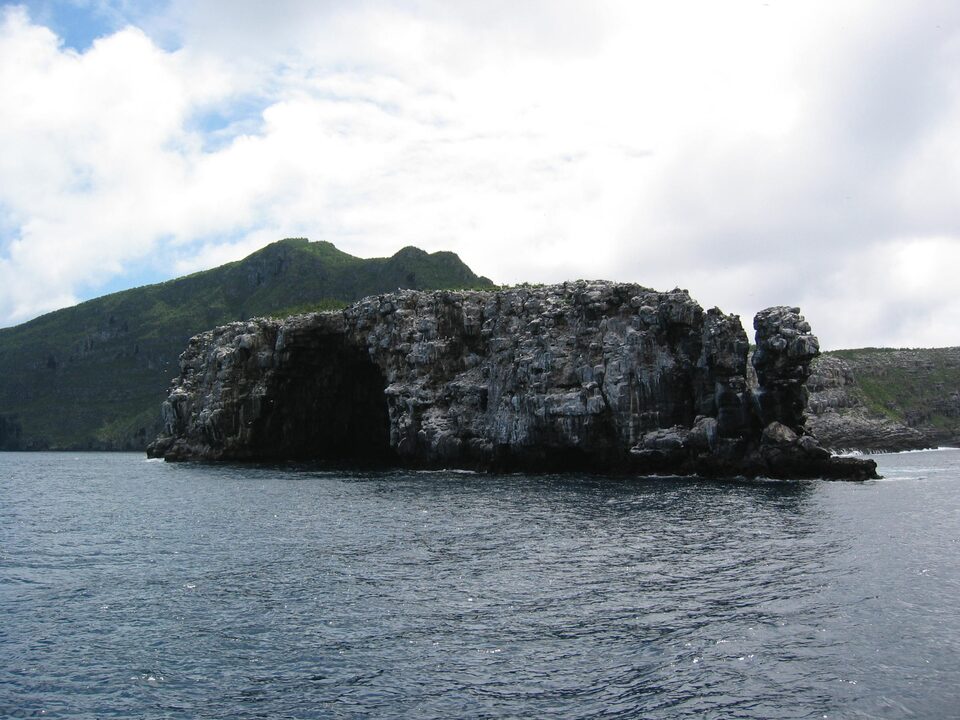
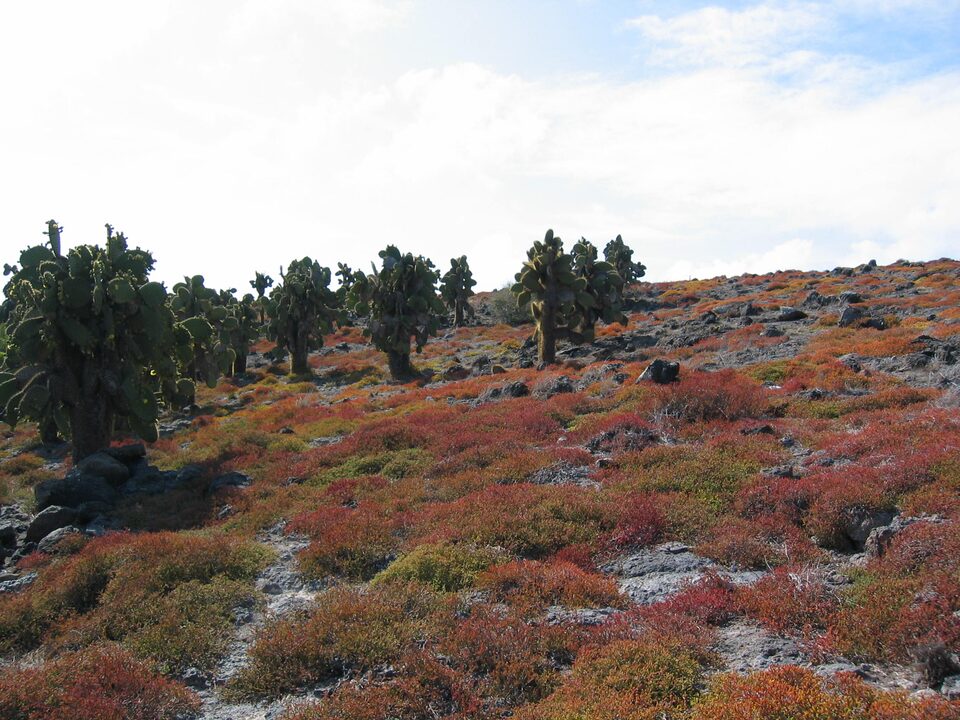
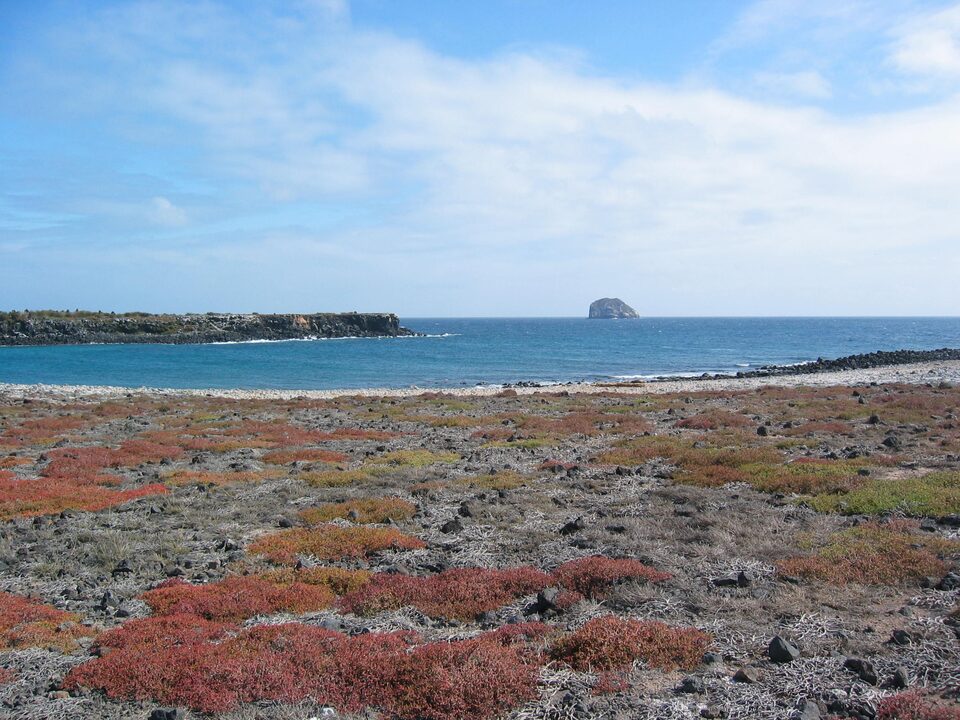
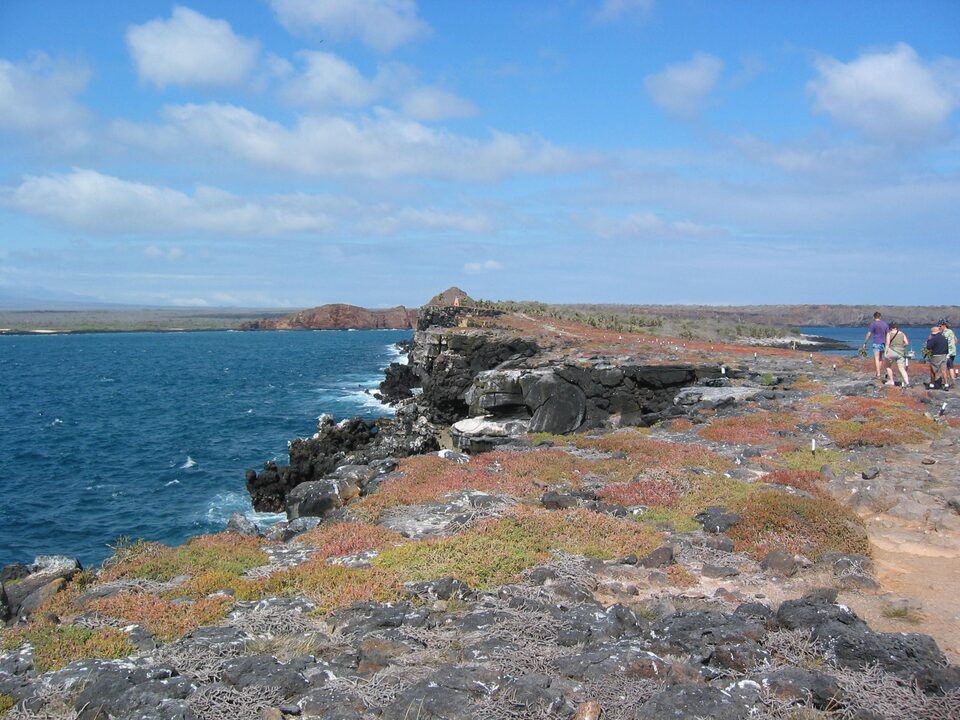
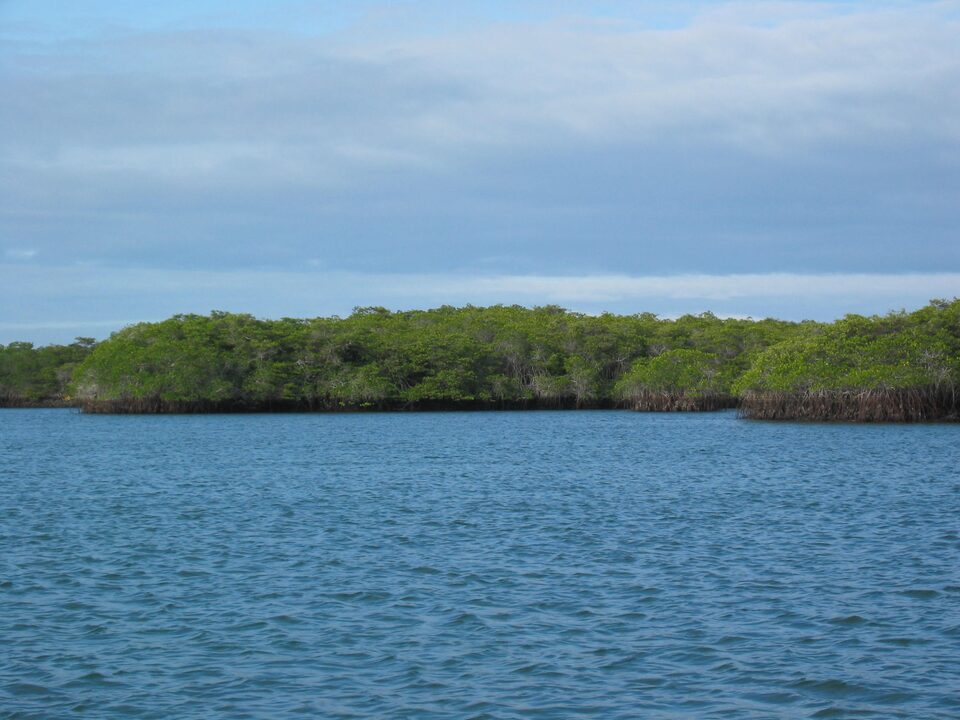
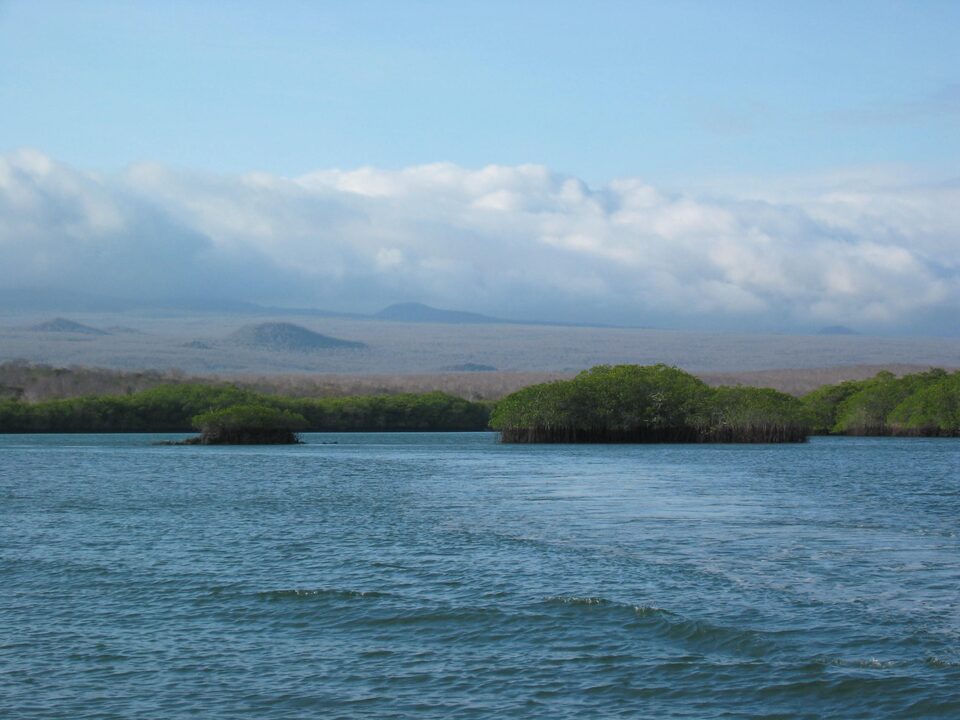
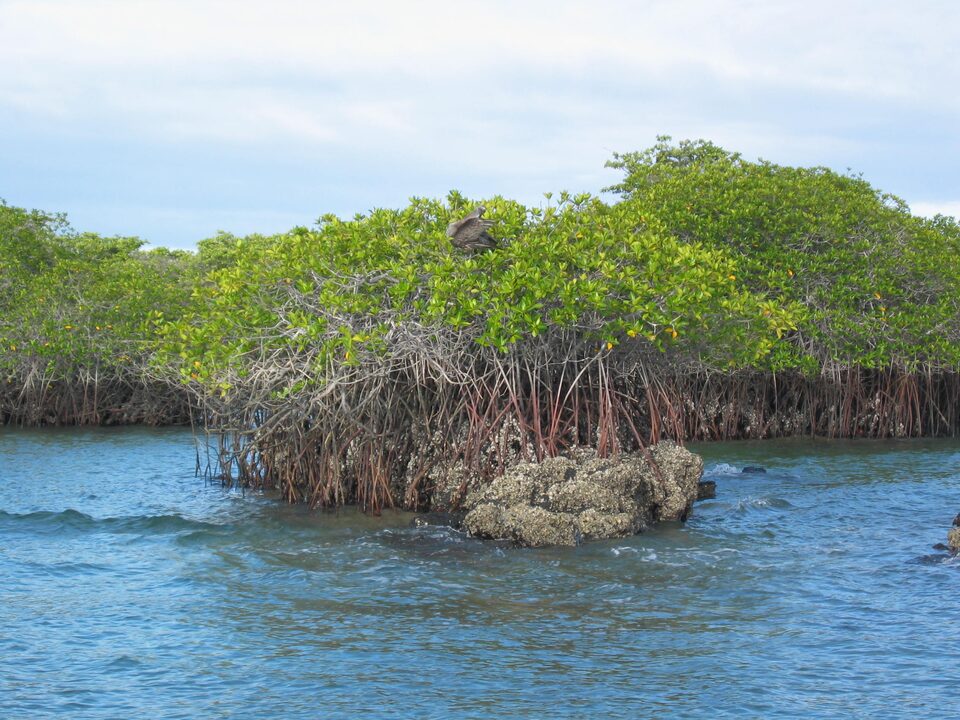
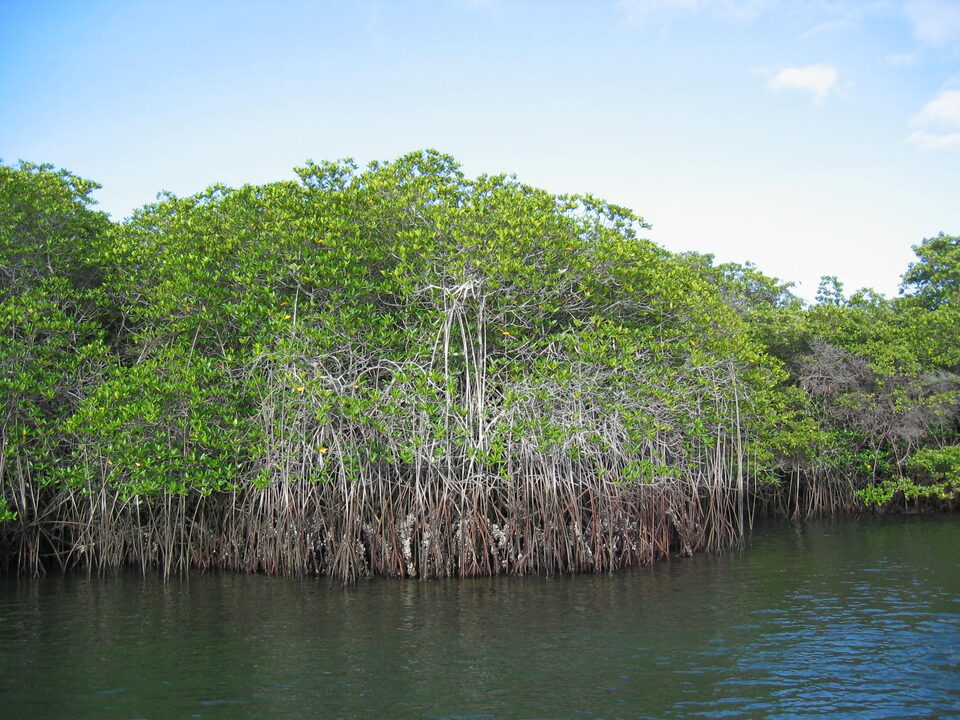
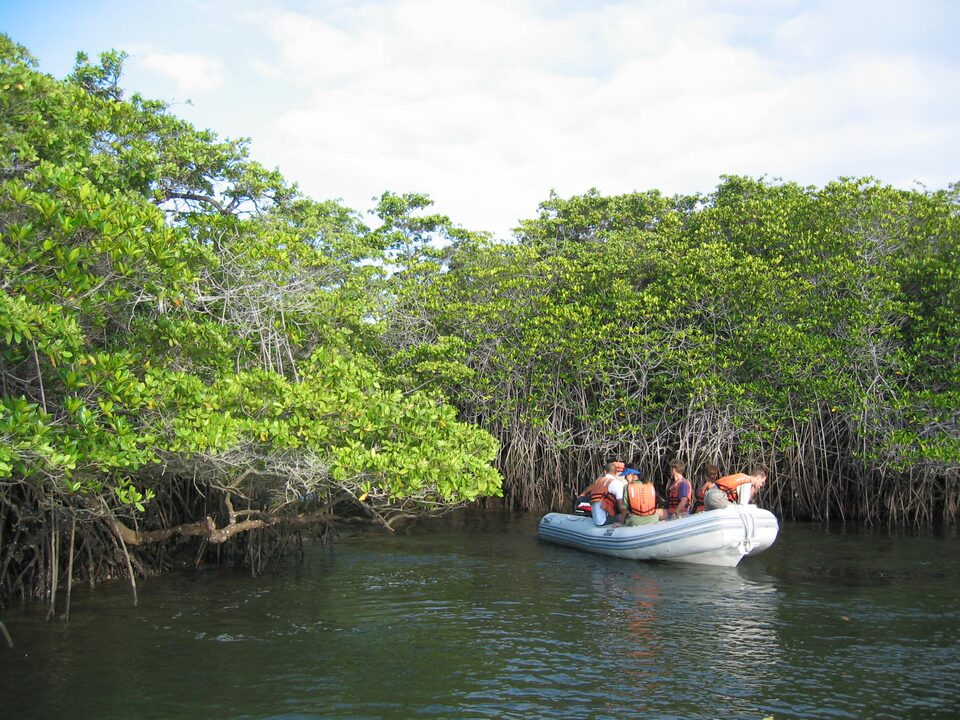
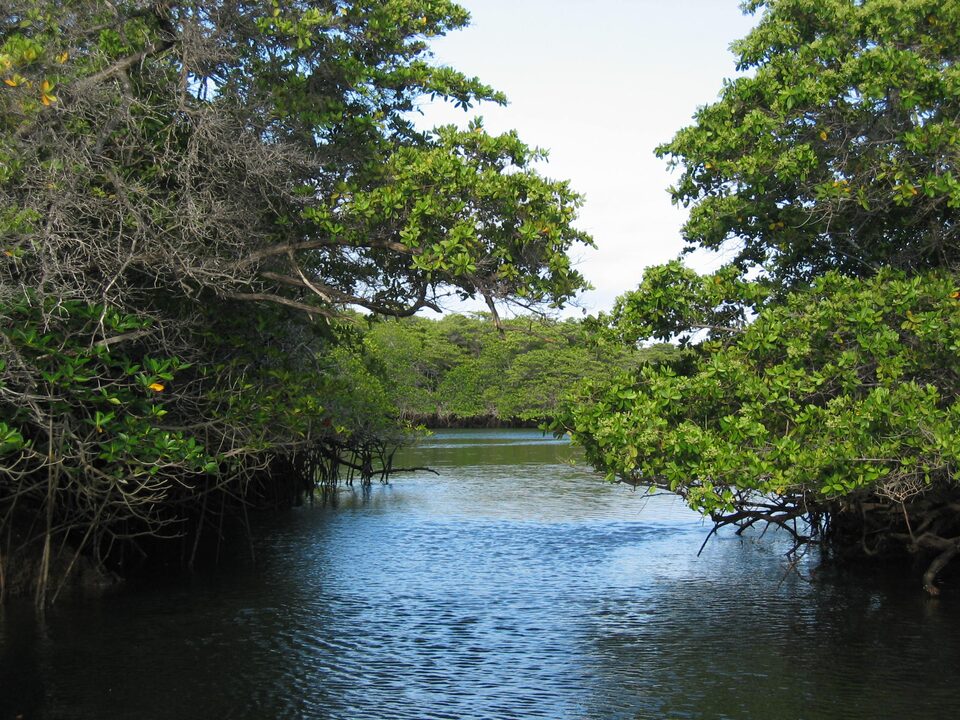
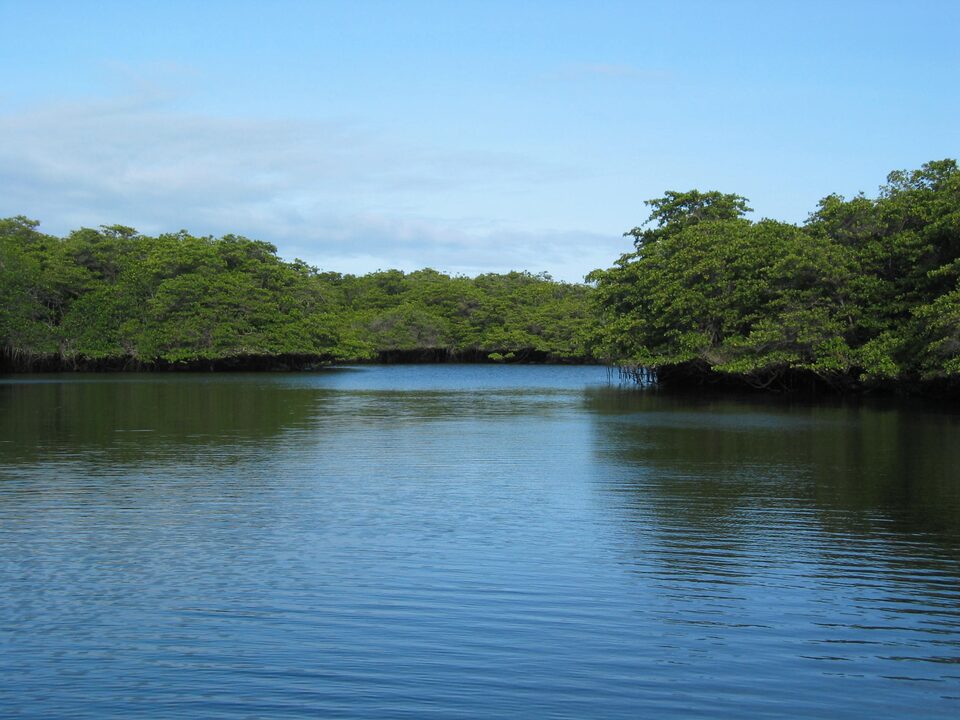
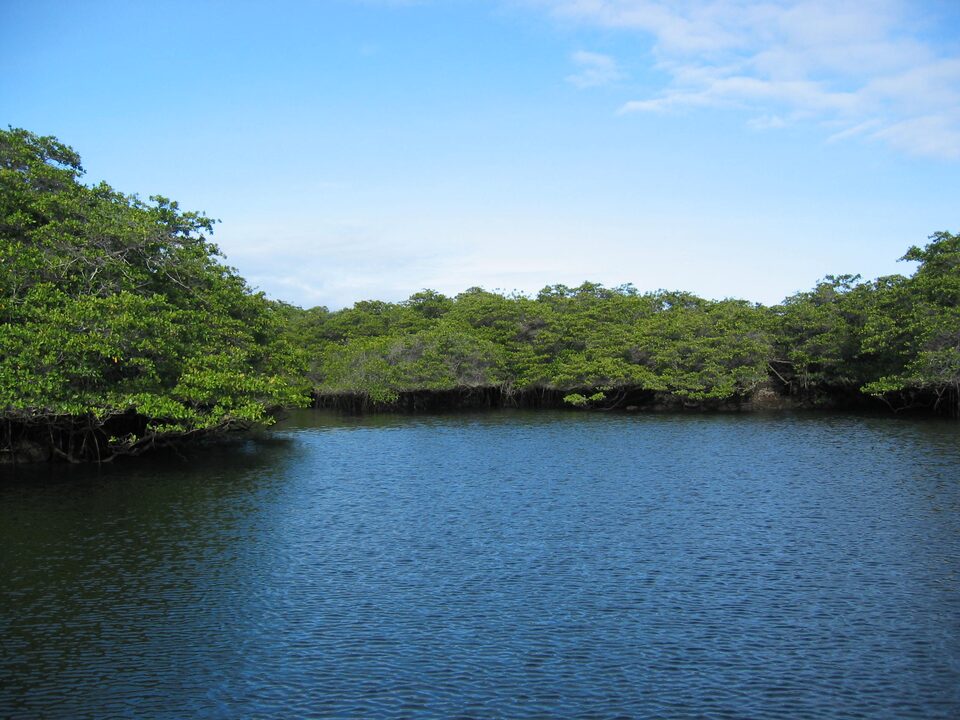
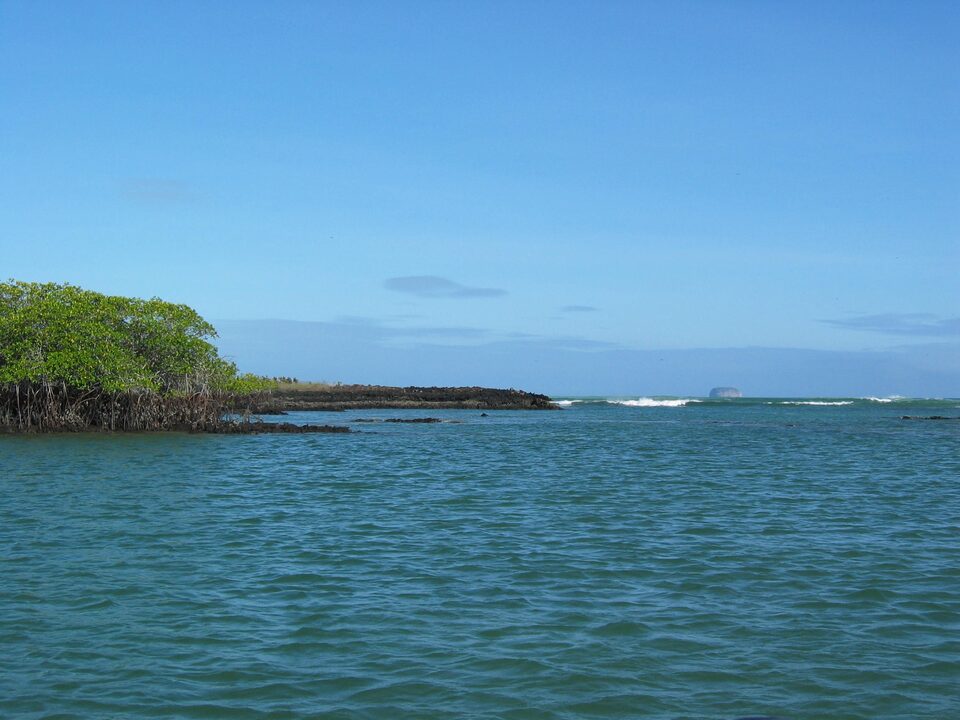
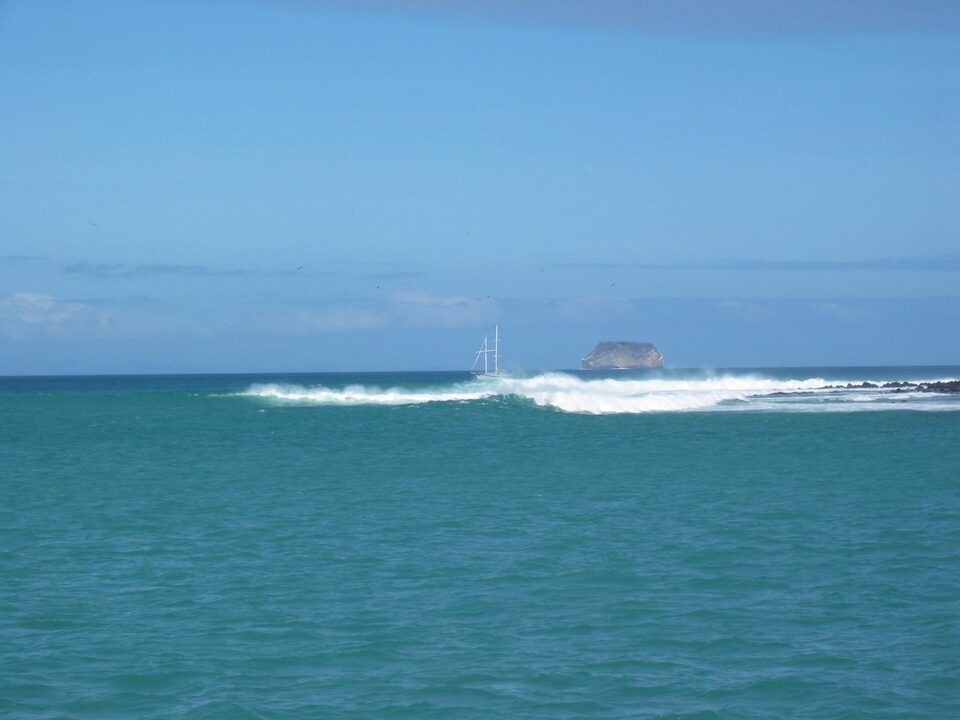
This page has pictures taken from several islands. As our trip was mostly diving we went to the remote islands of Darwin and Wolf that offer excellent diving. Darwin's arch is one of the most impressive sights in Galapagos.
The Galapagos islands - the enchanted islands - are just magical. In 400 years humans almost destroyed the whole place but today the magic is still there and the Charles Darwin research station is doing its best to undo some of the damage that has been done by man. Please visit Charles Darwin research station pages to see what they are doing and donate something to help preserve the magic.
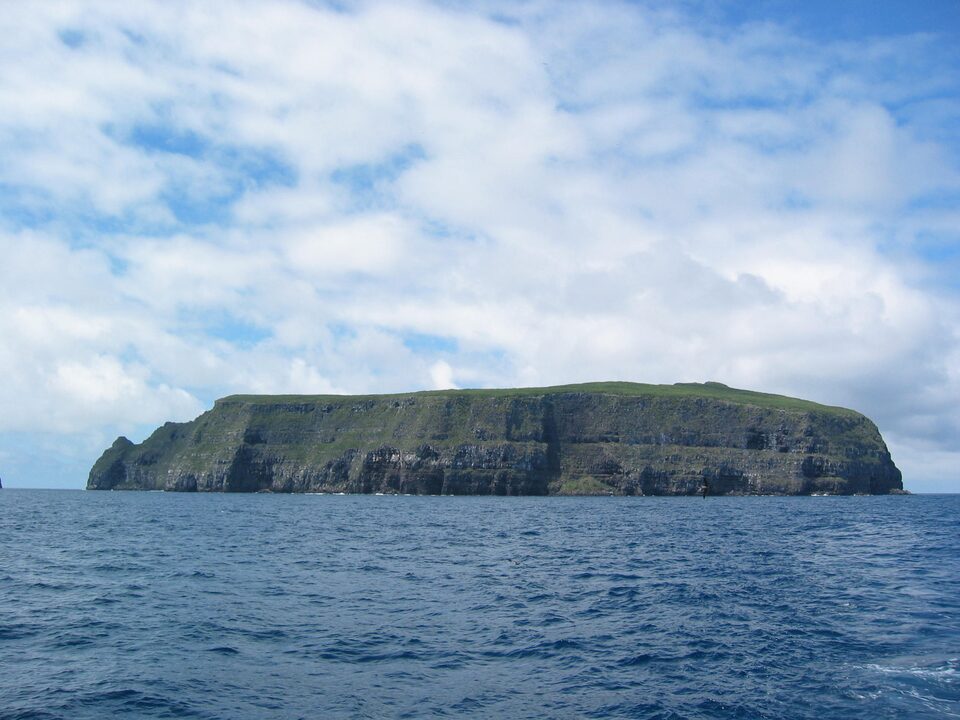
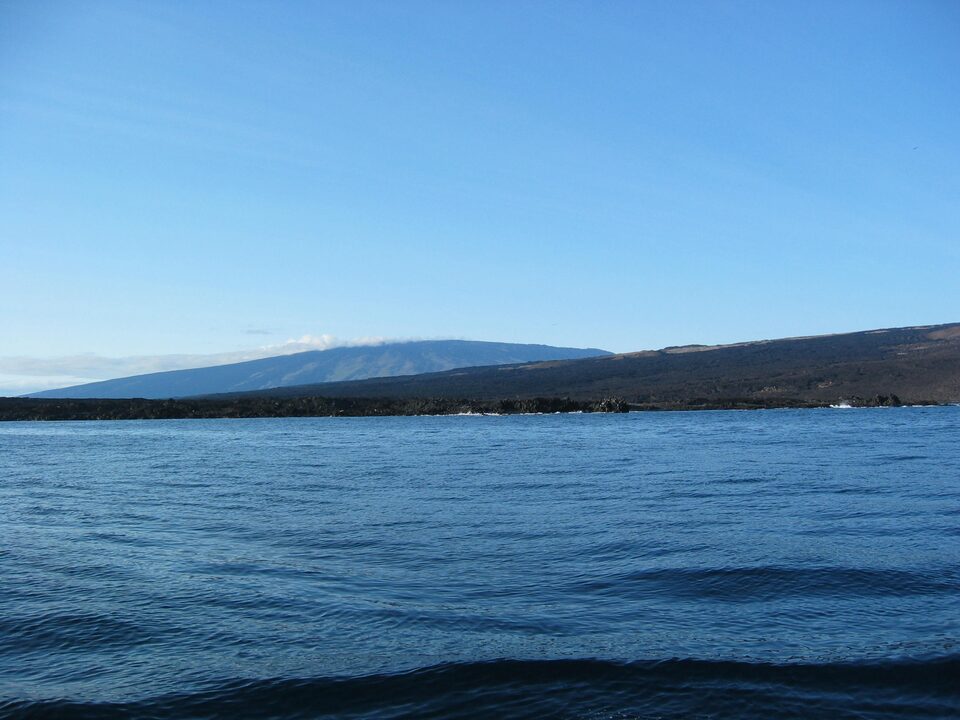
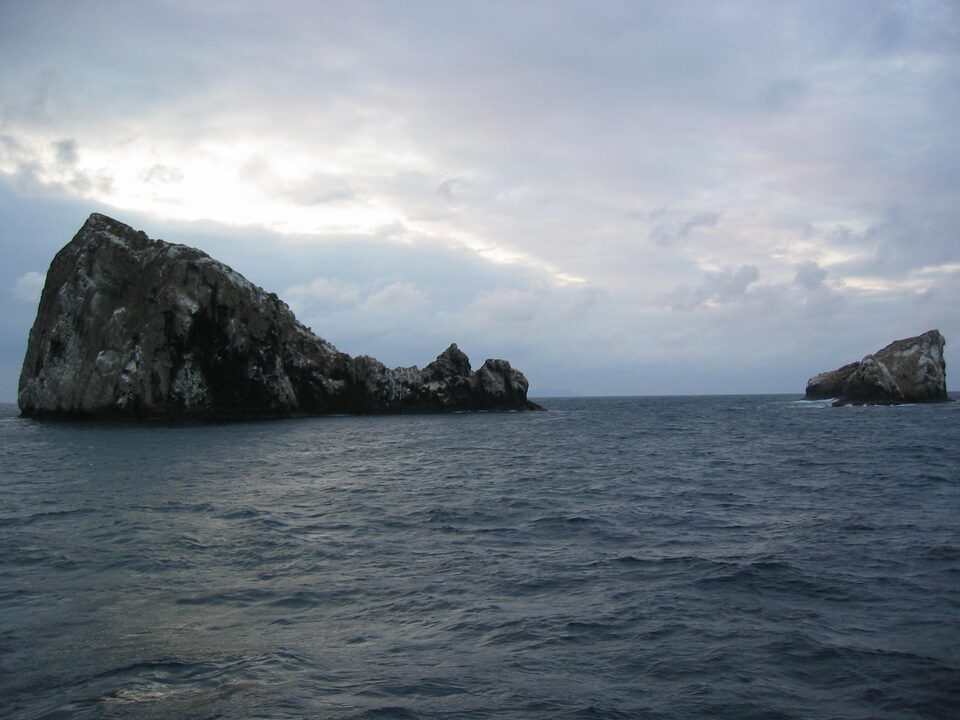
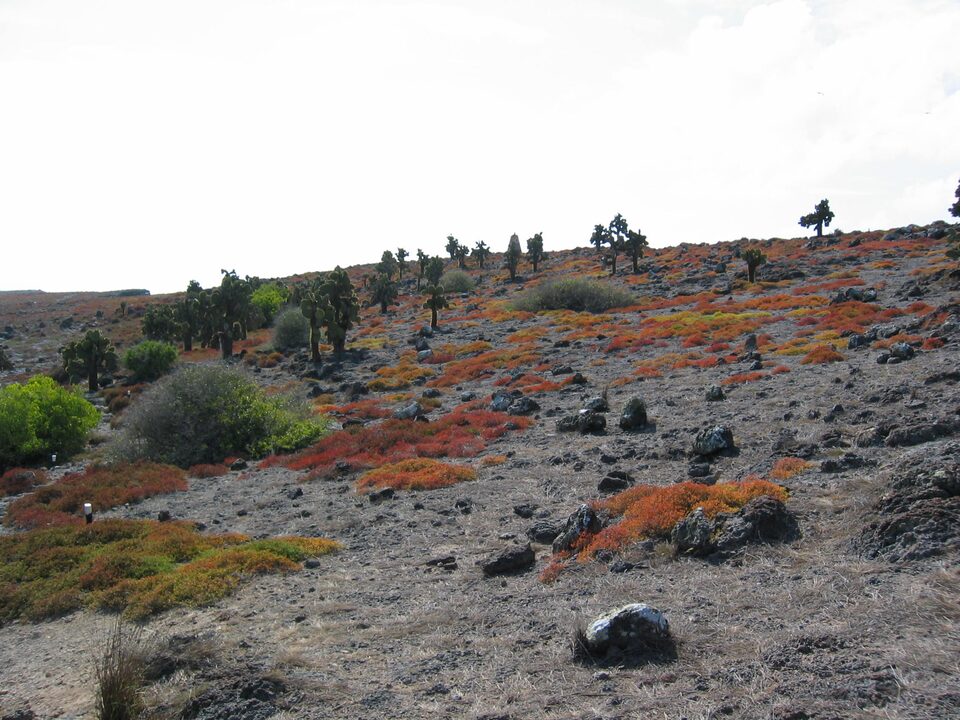


Galapagos birds
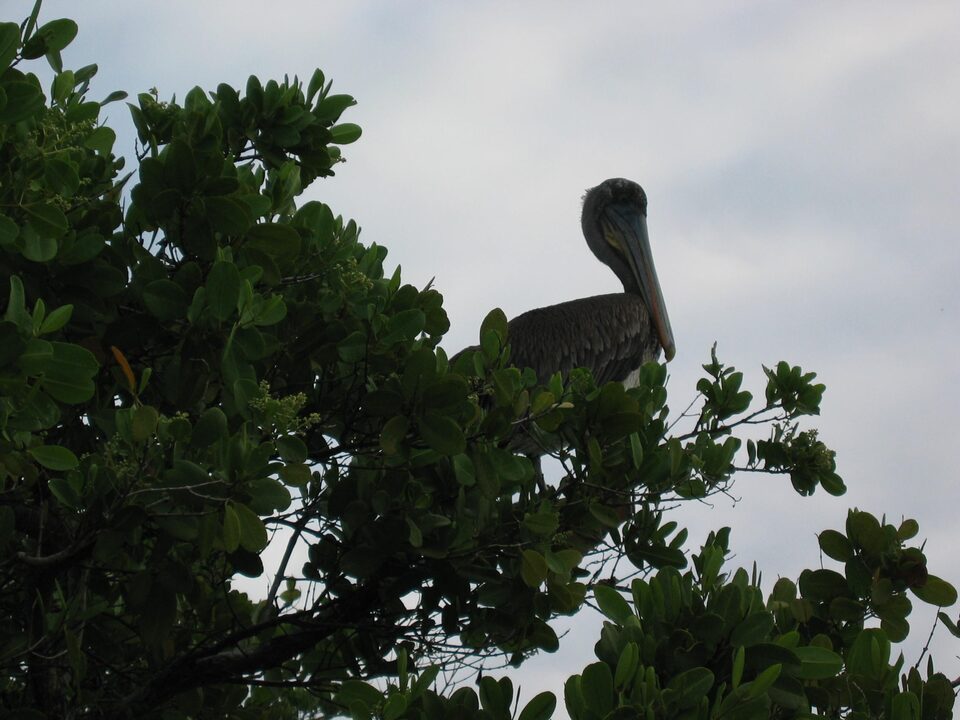
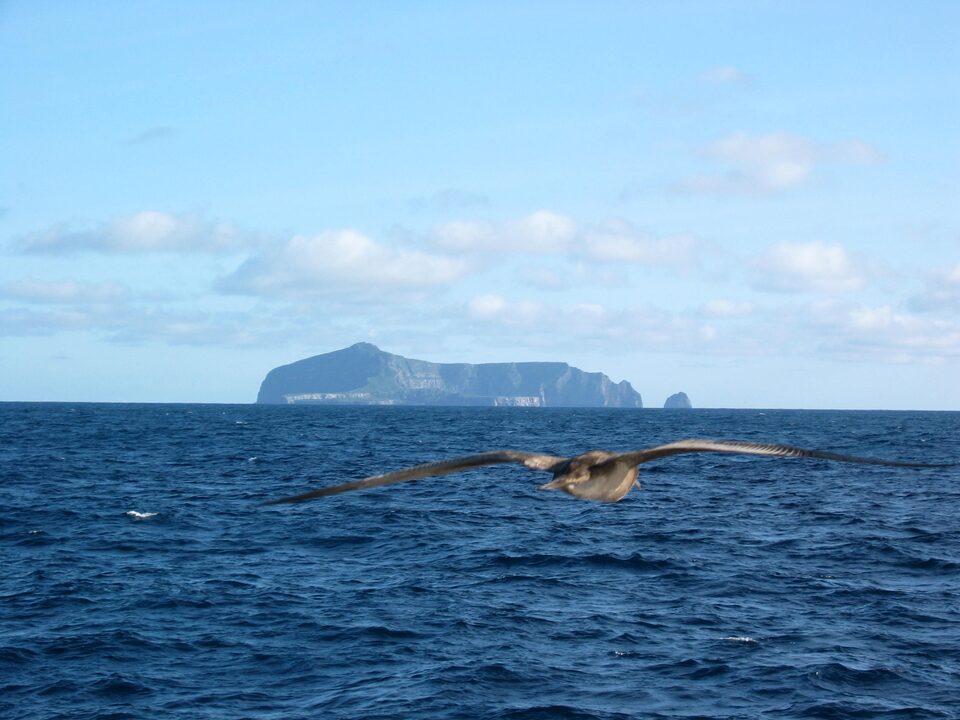
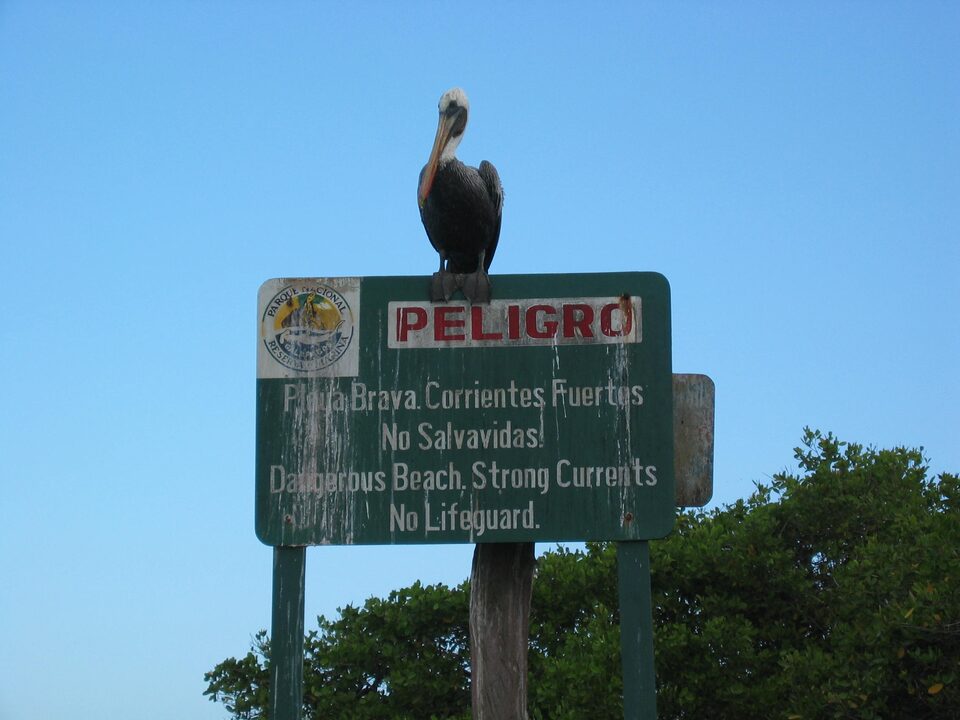
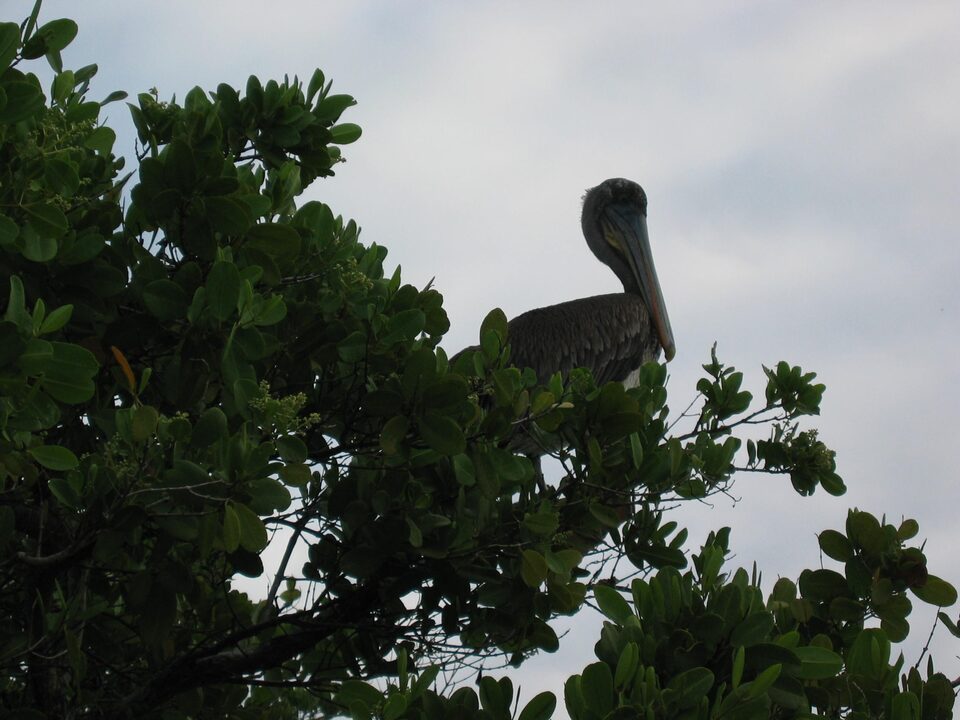
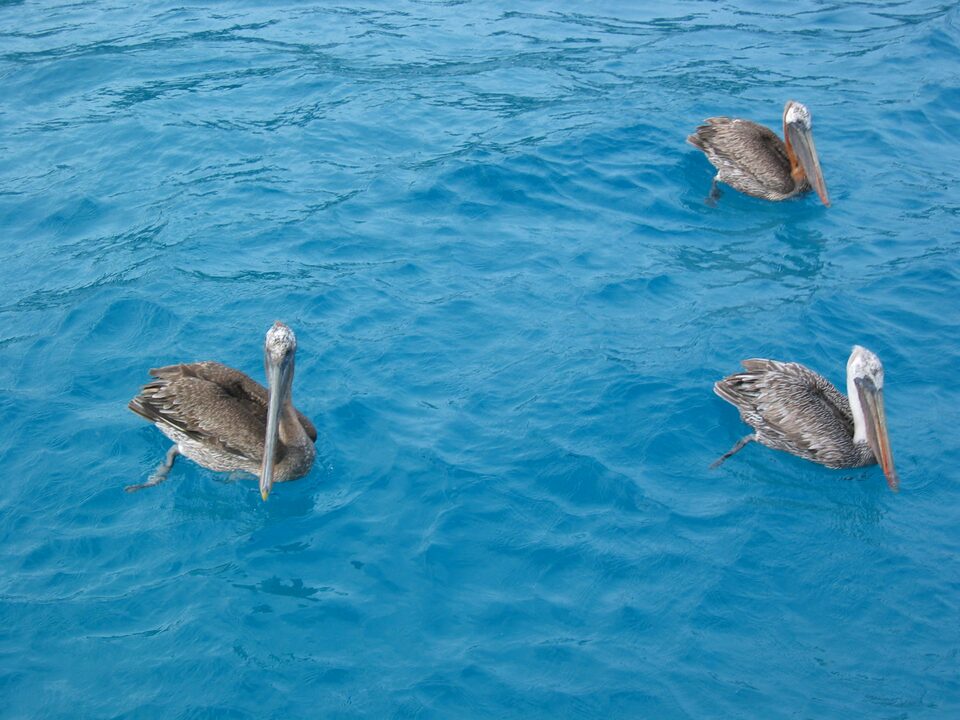
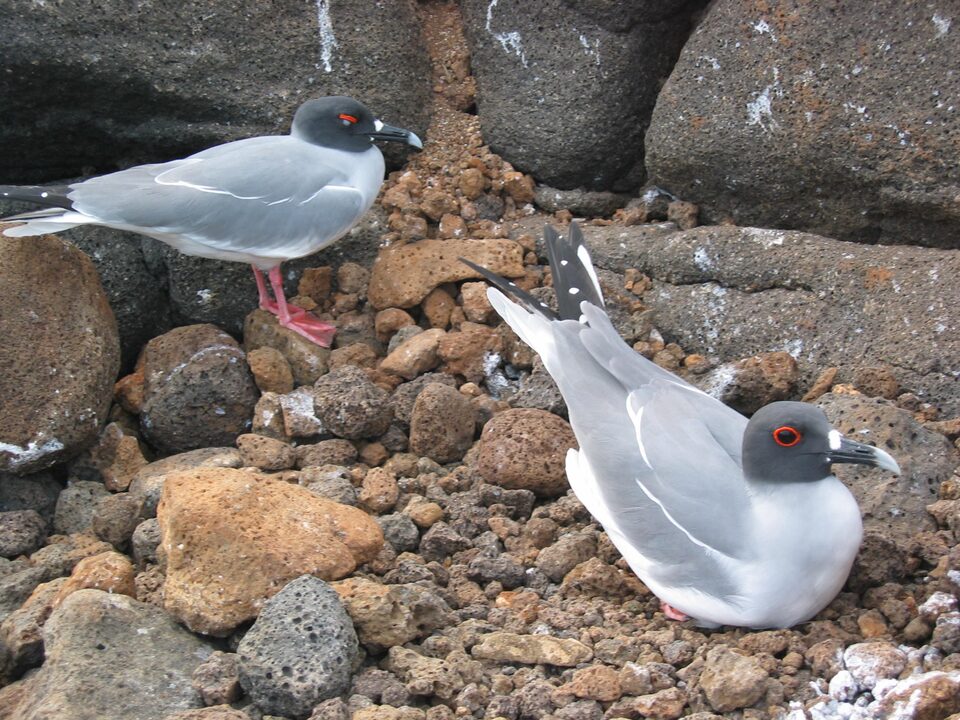
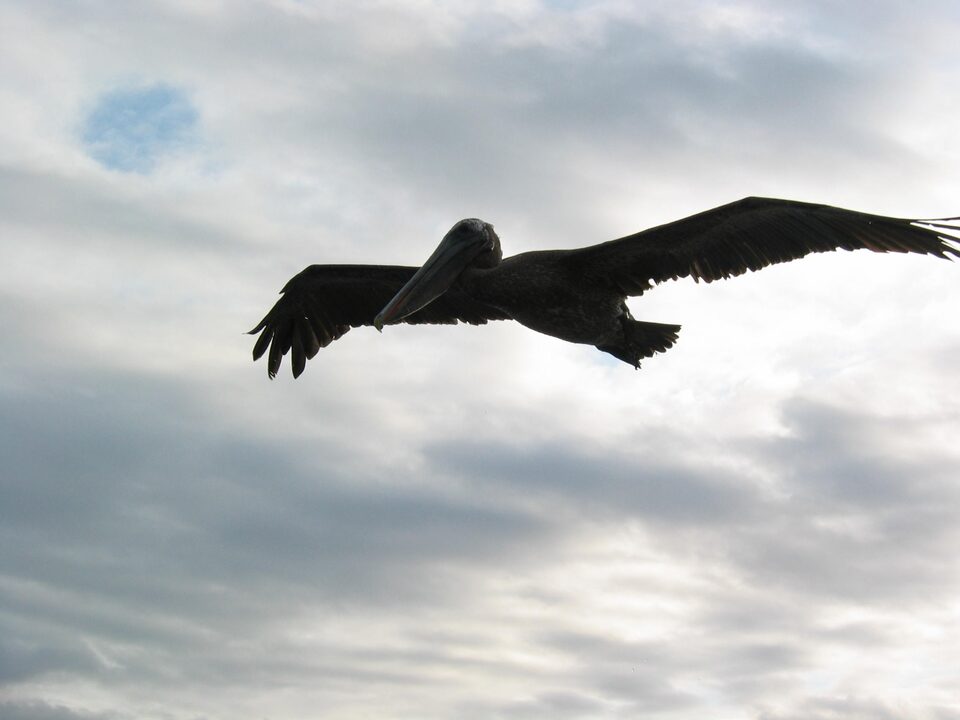
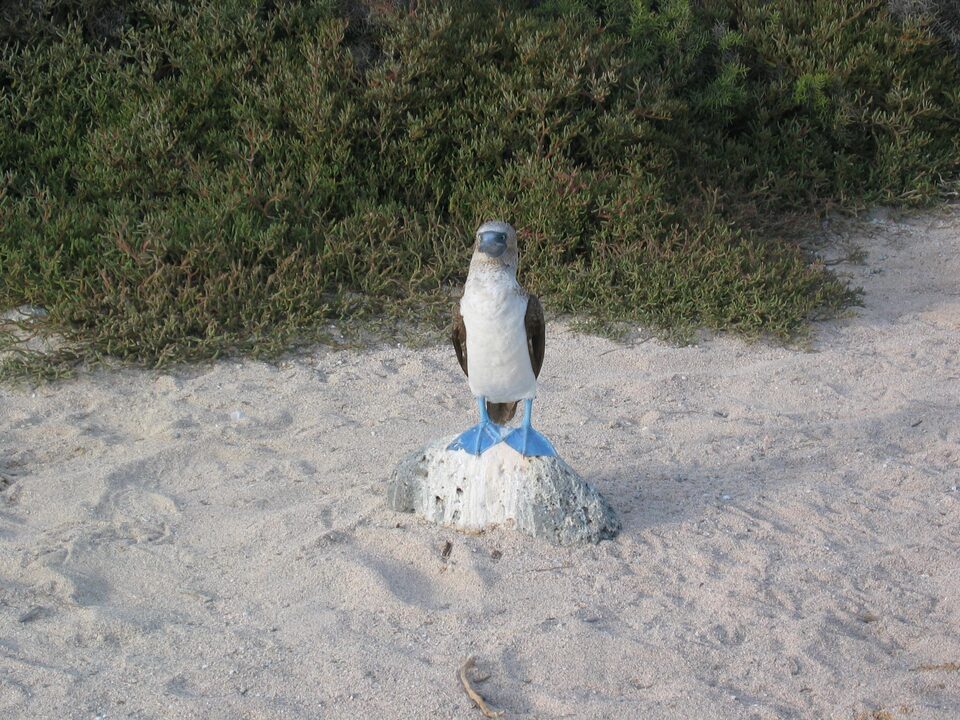
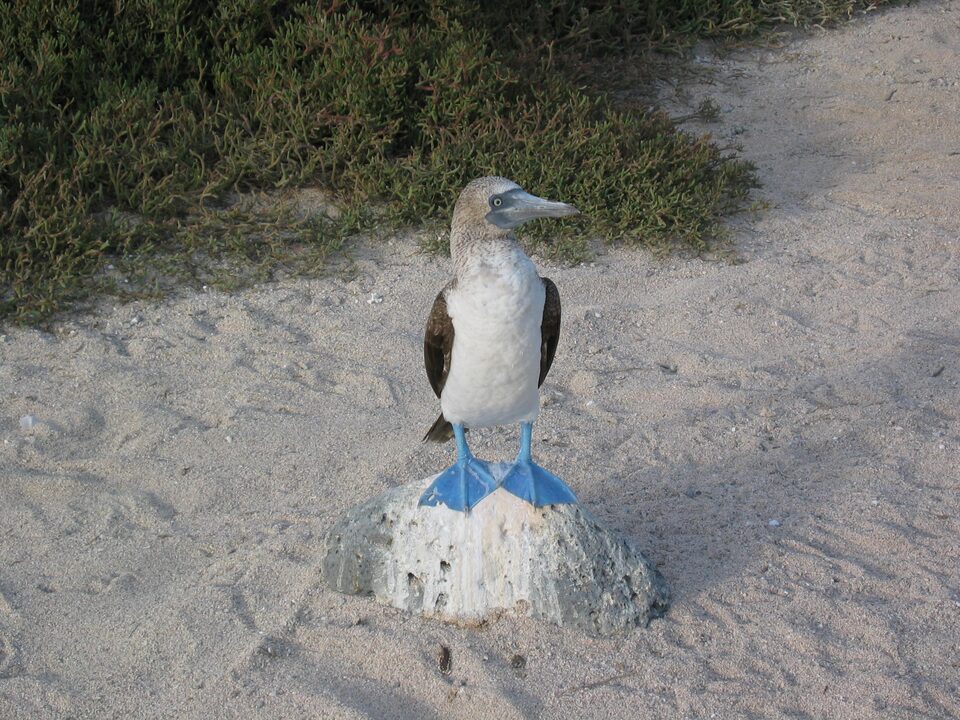
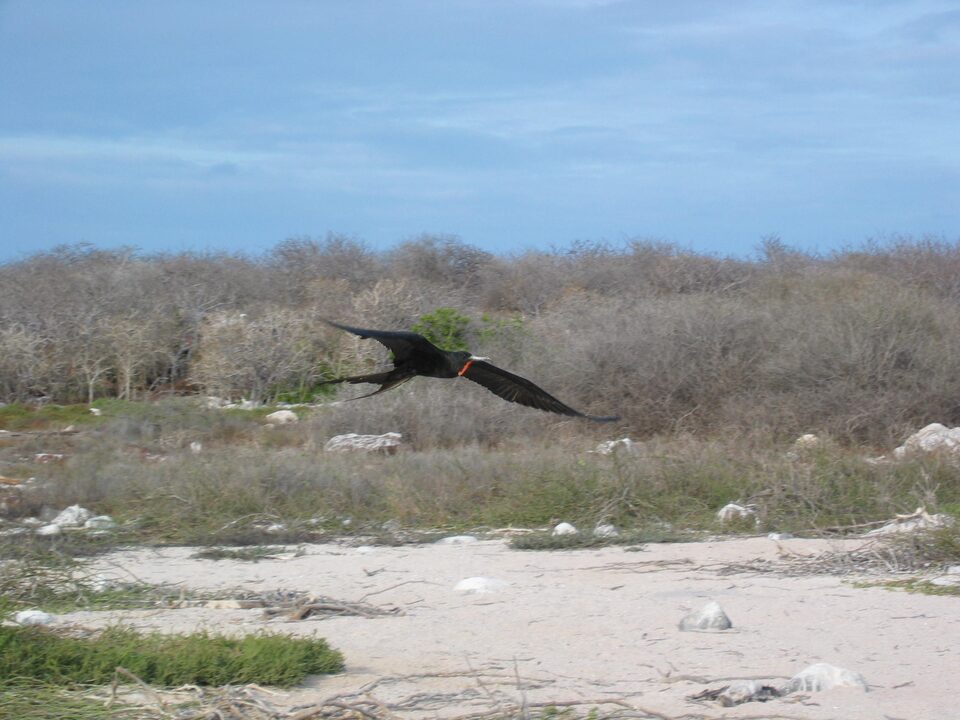
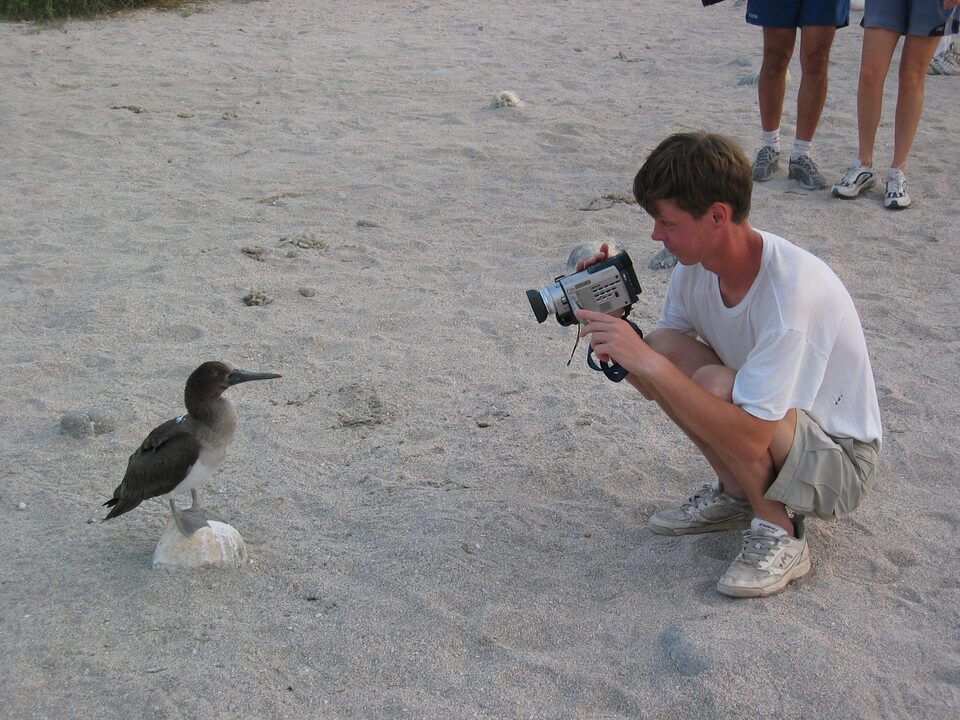
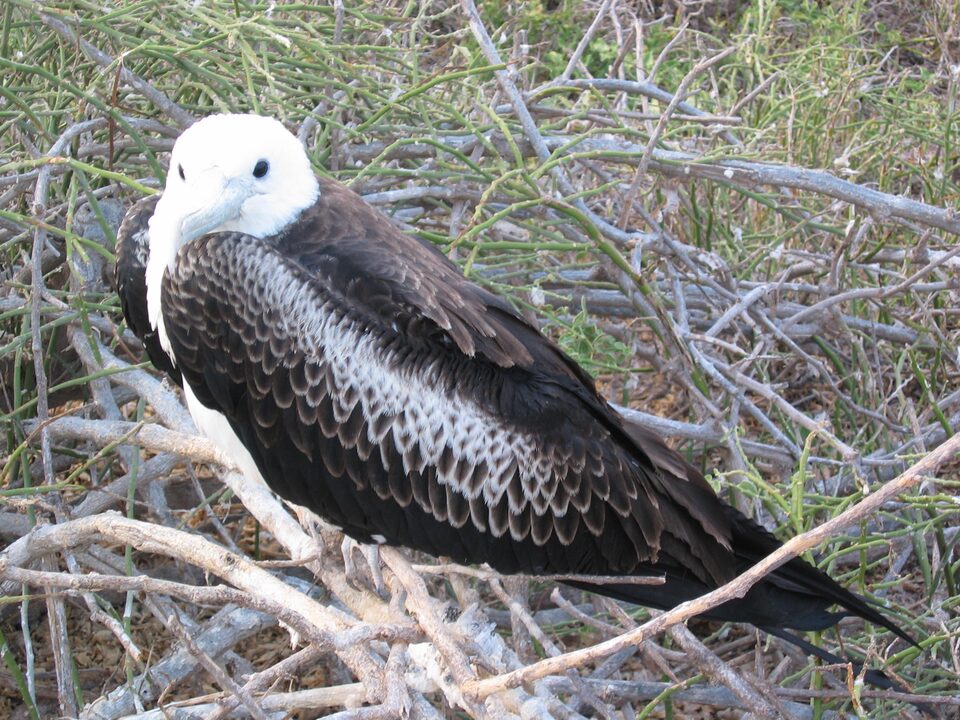
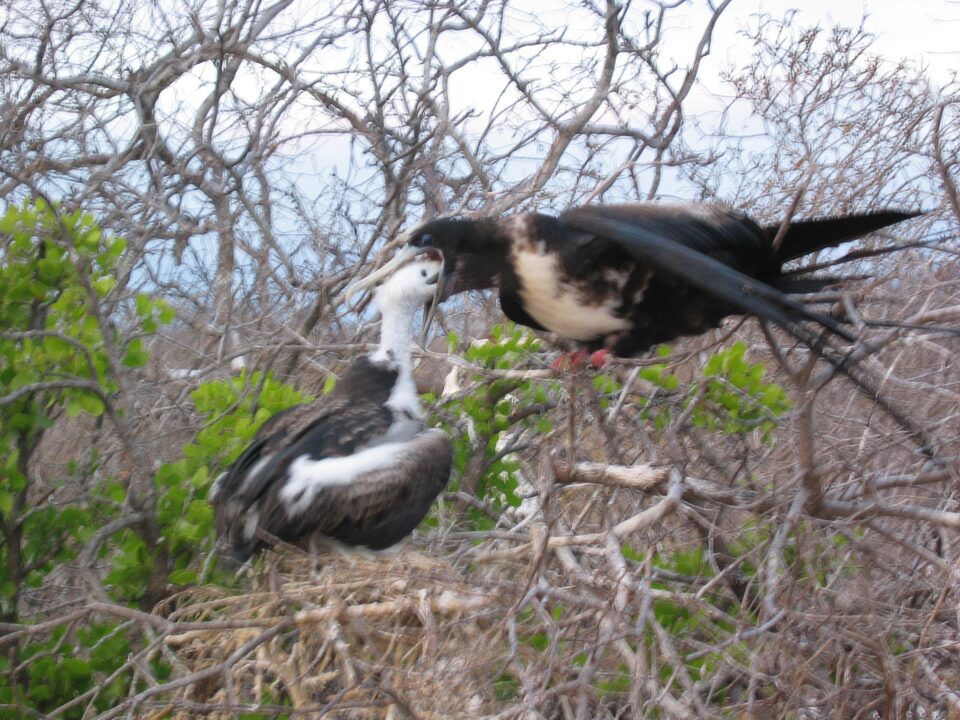
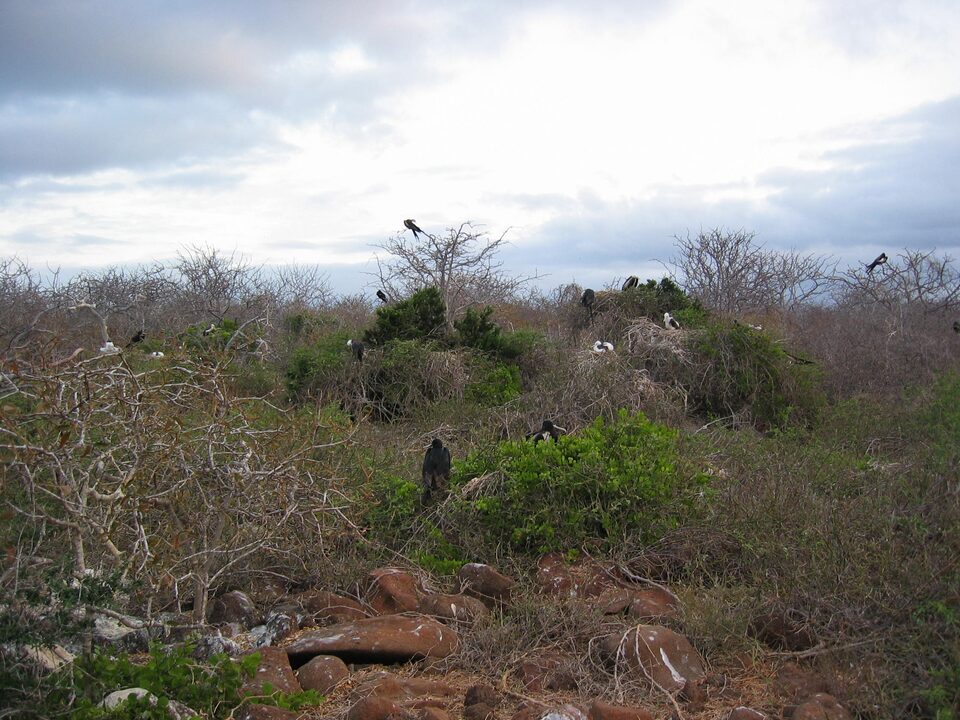
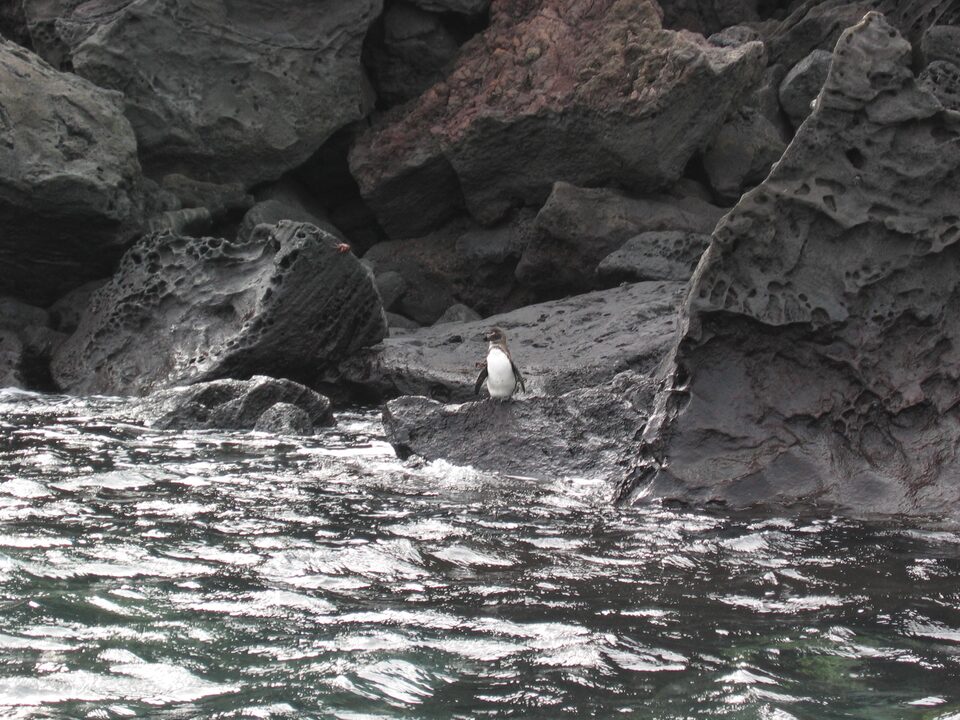
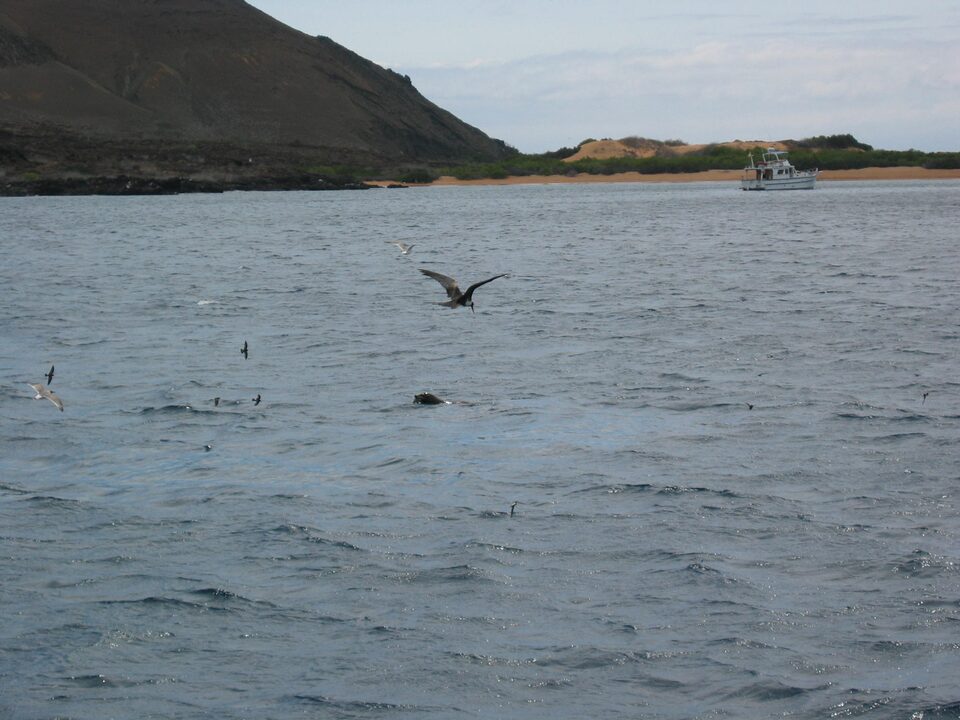
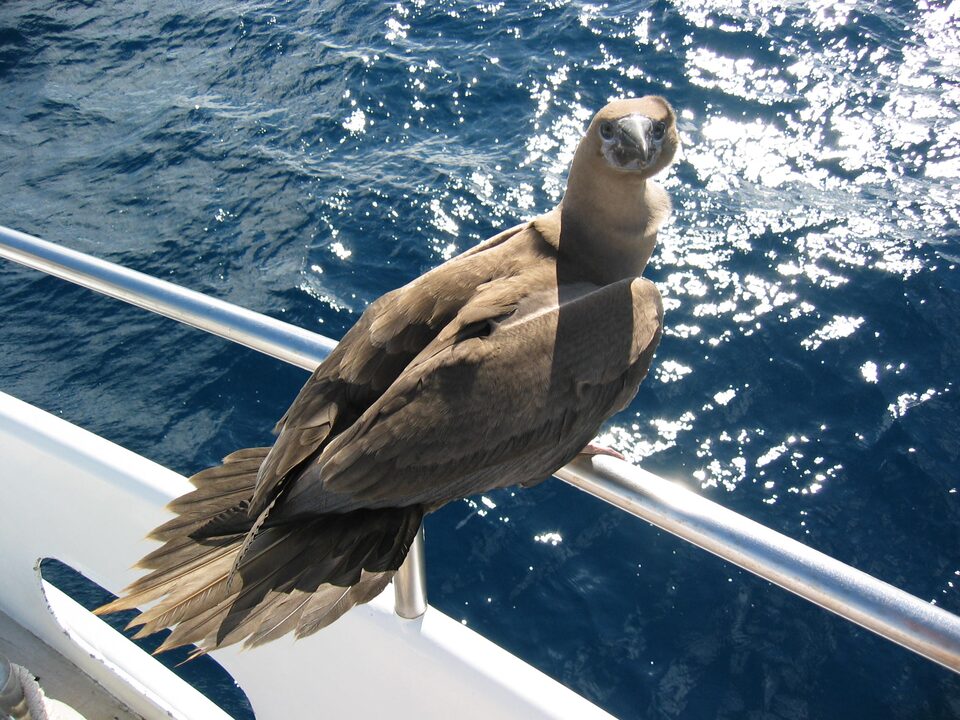
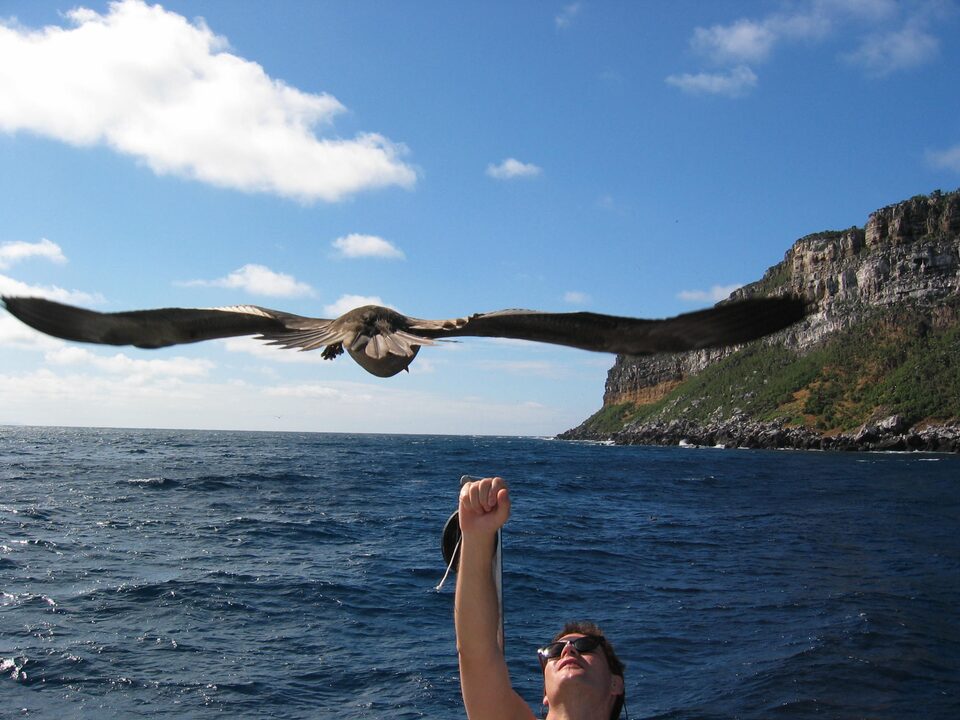
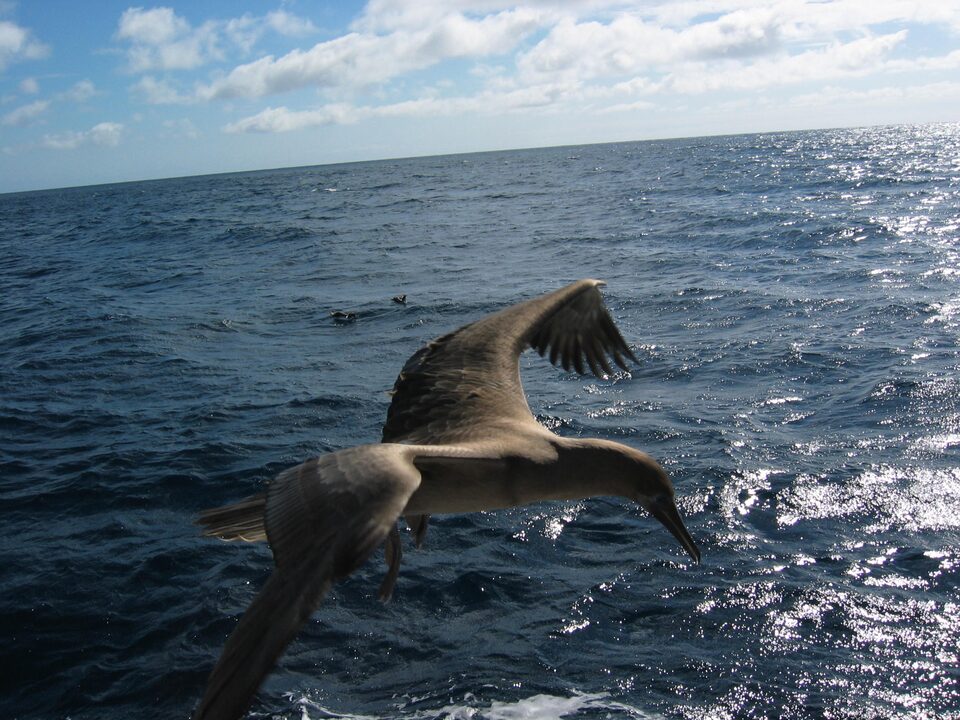
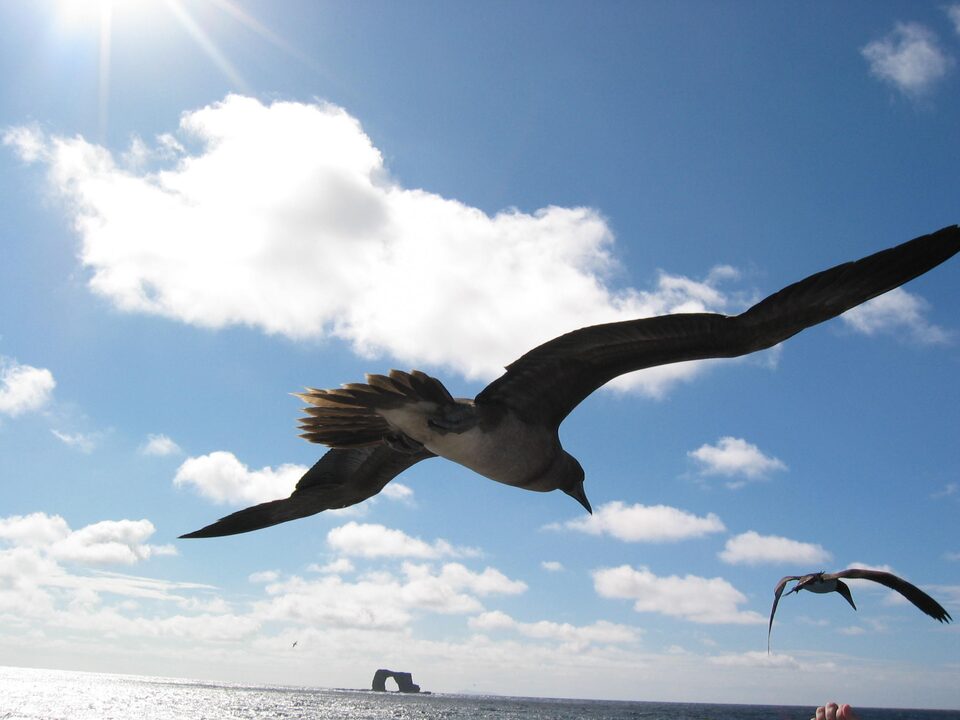
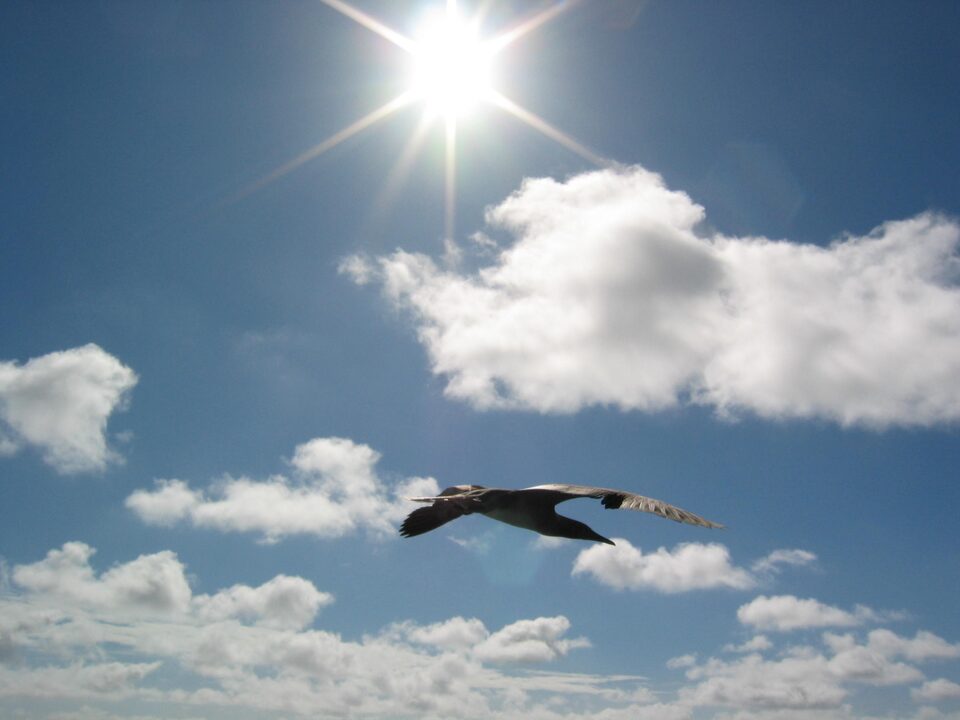
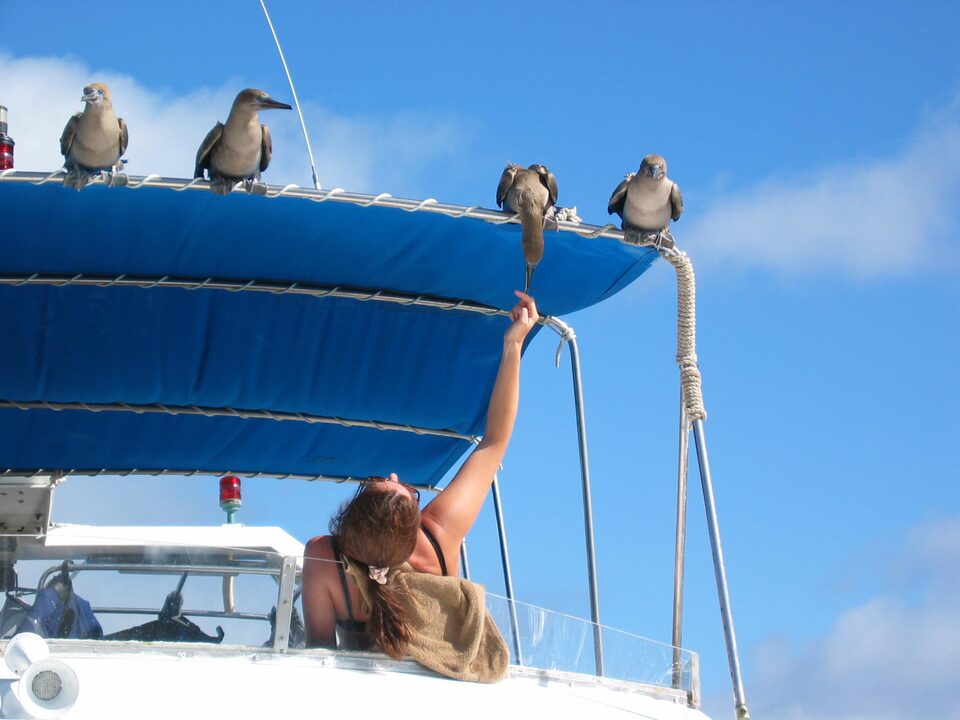
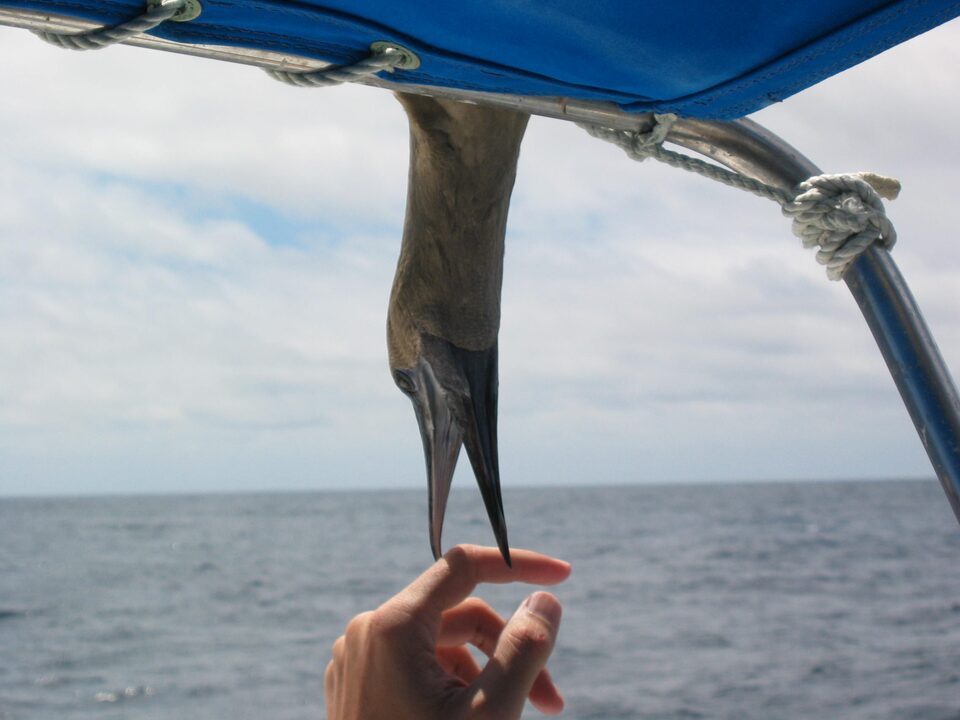
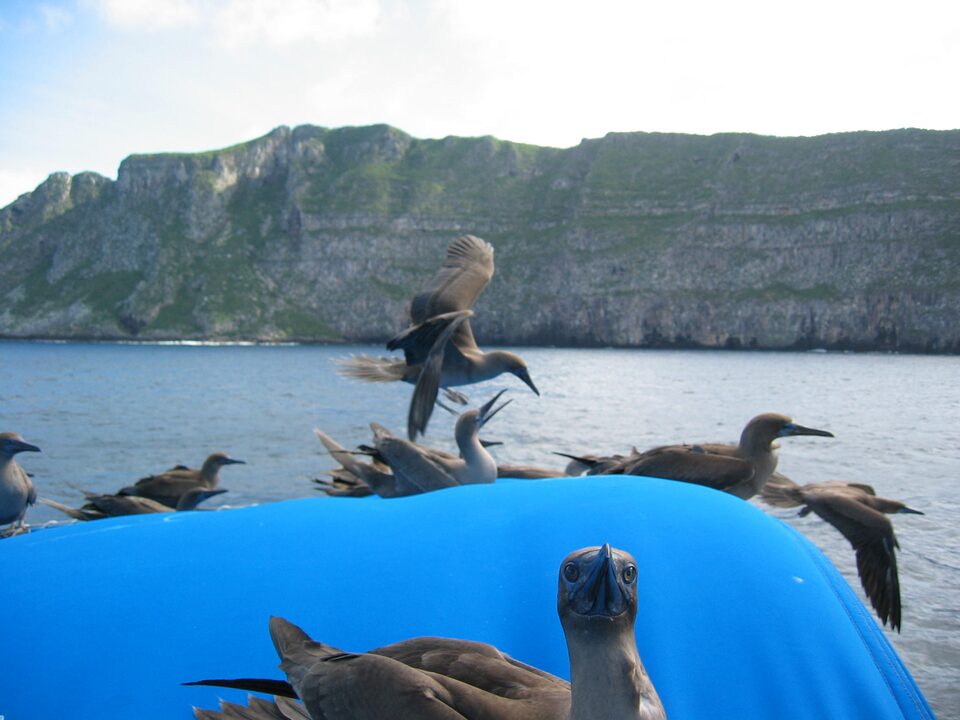
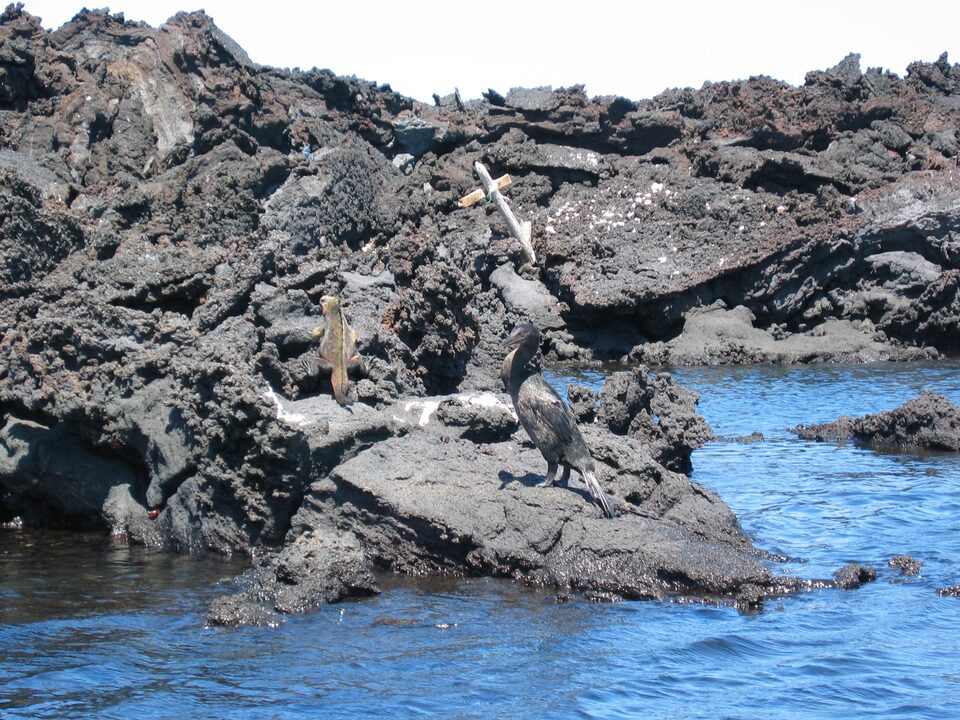
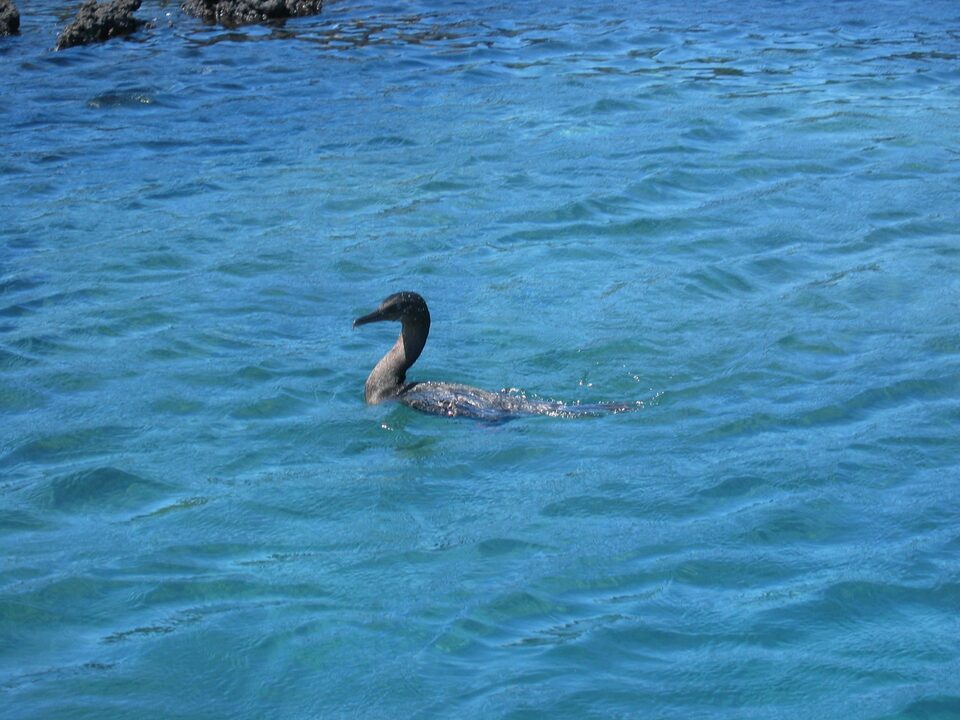
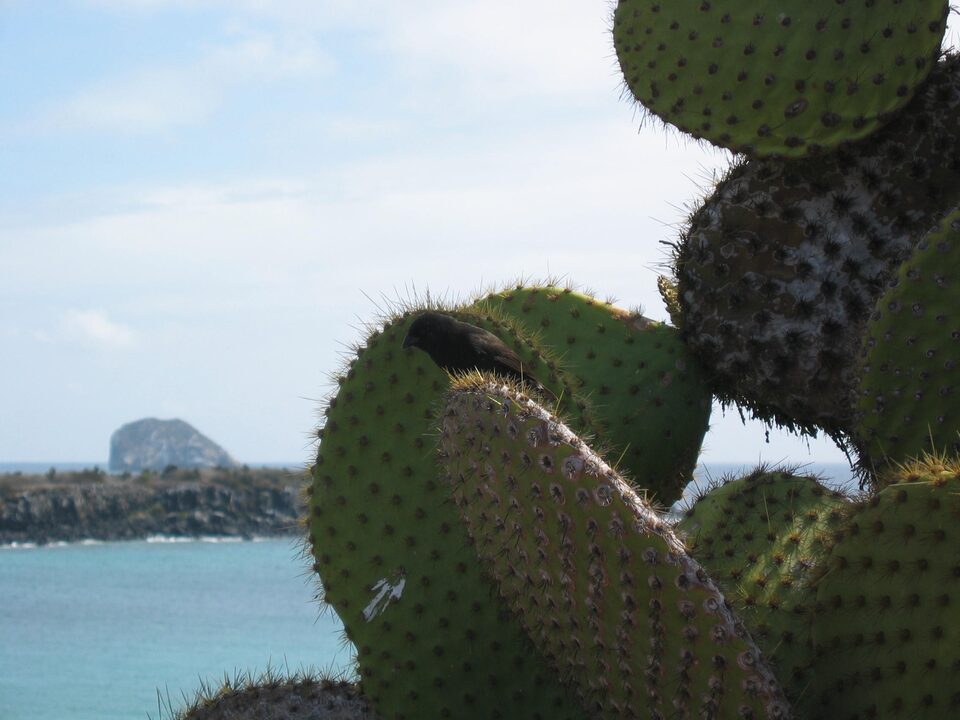
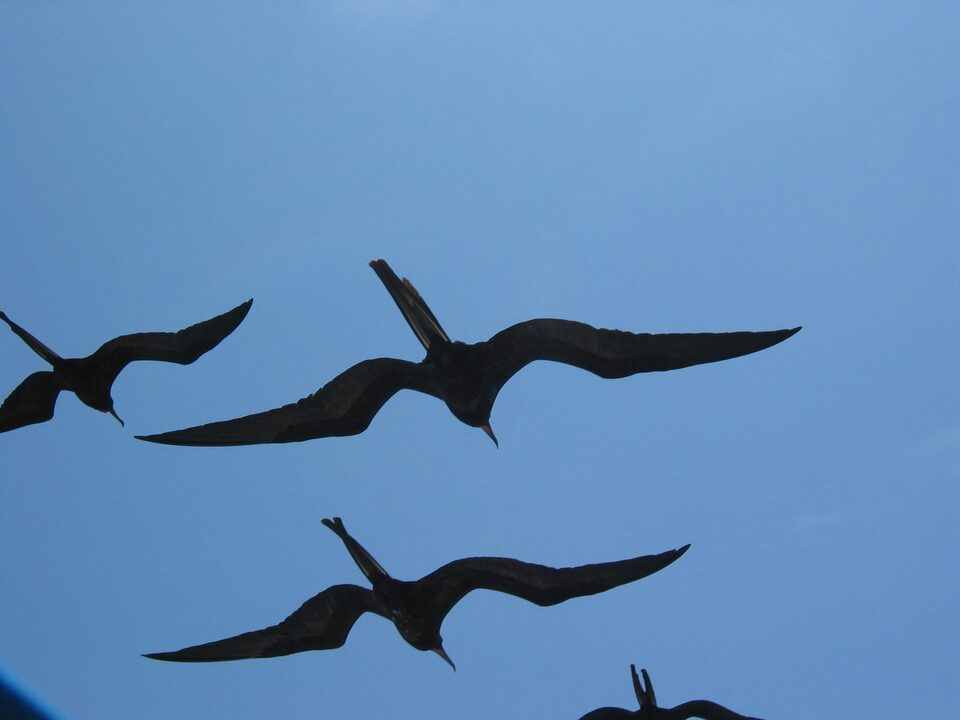
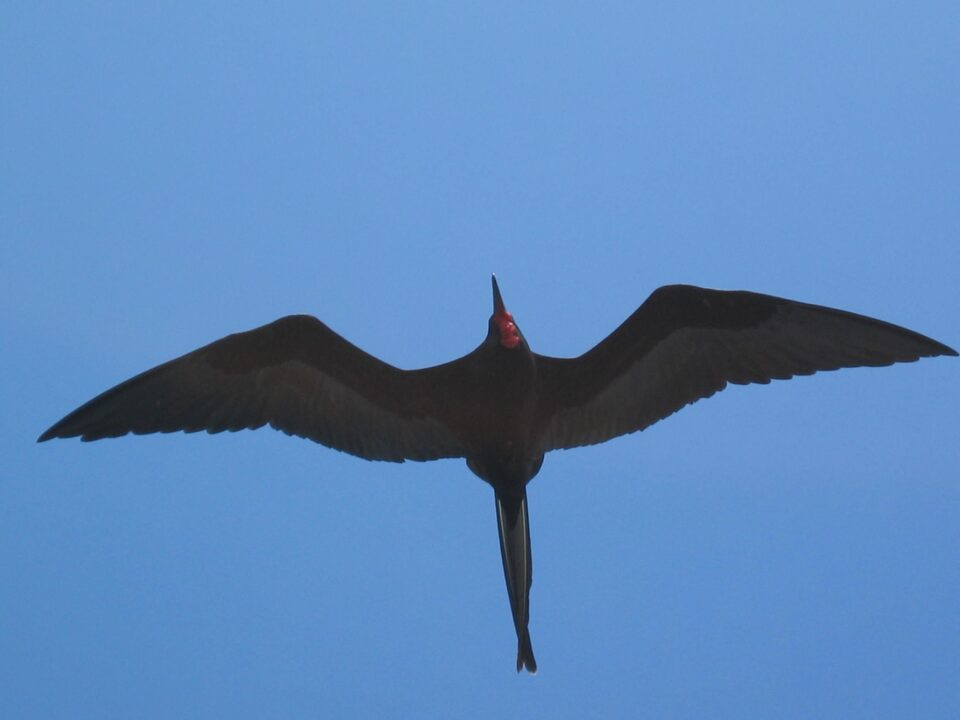
Galapagos is a heaven for sea birds. They have never had any predators and do not fear man at all. The biggest wonder (to me) was to walk on islands and see wild birds very close (like 50cm). I could observe gulls very close or walk through frigate bird nesting area and see how a mother feeds her chicks.
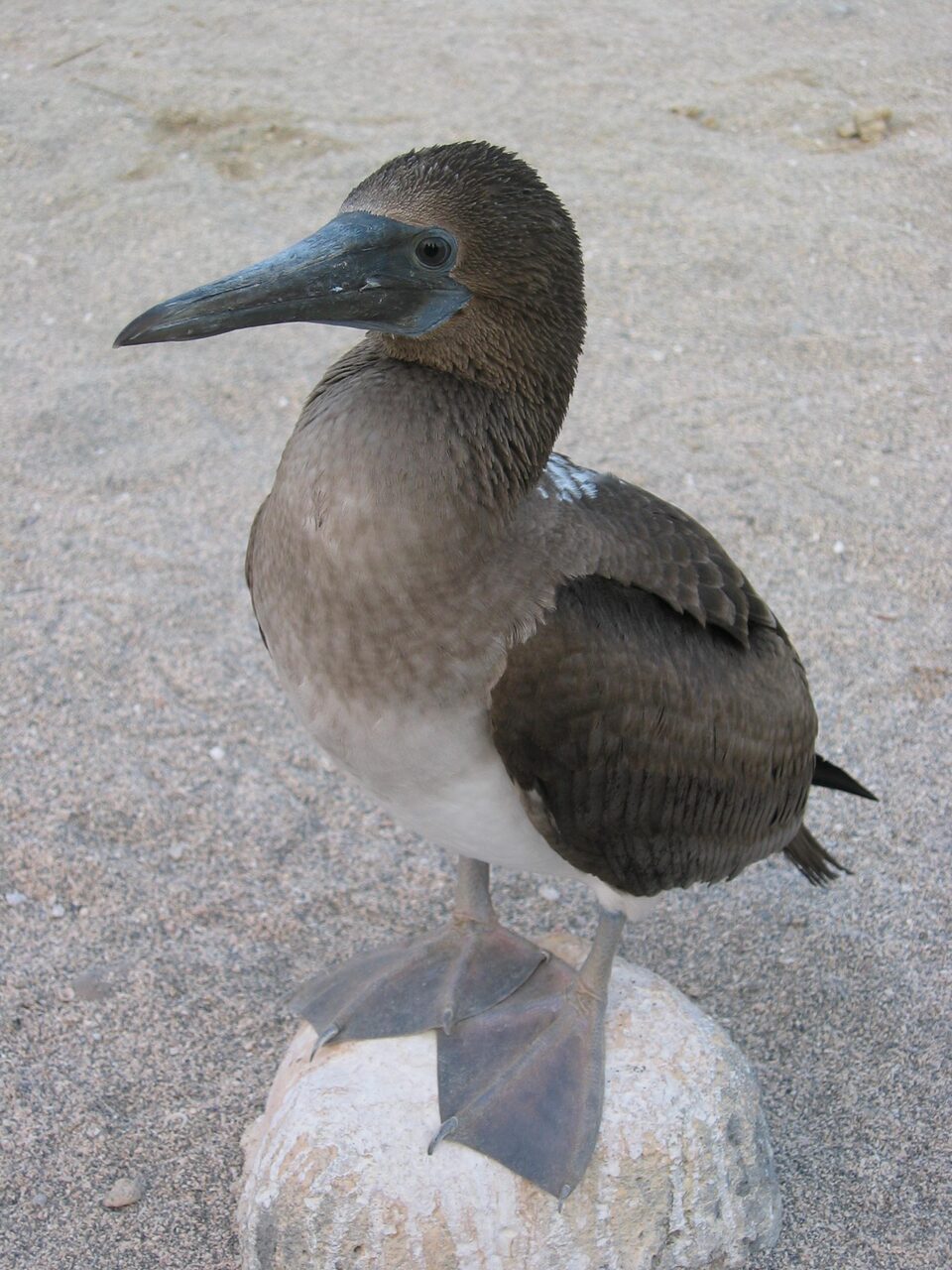
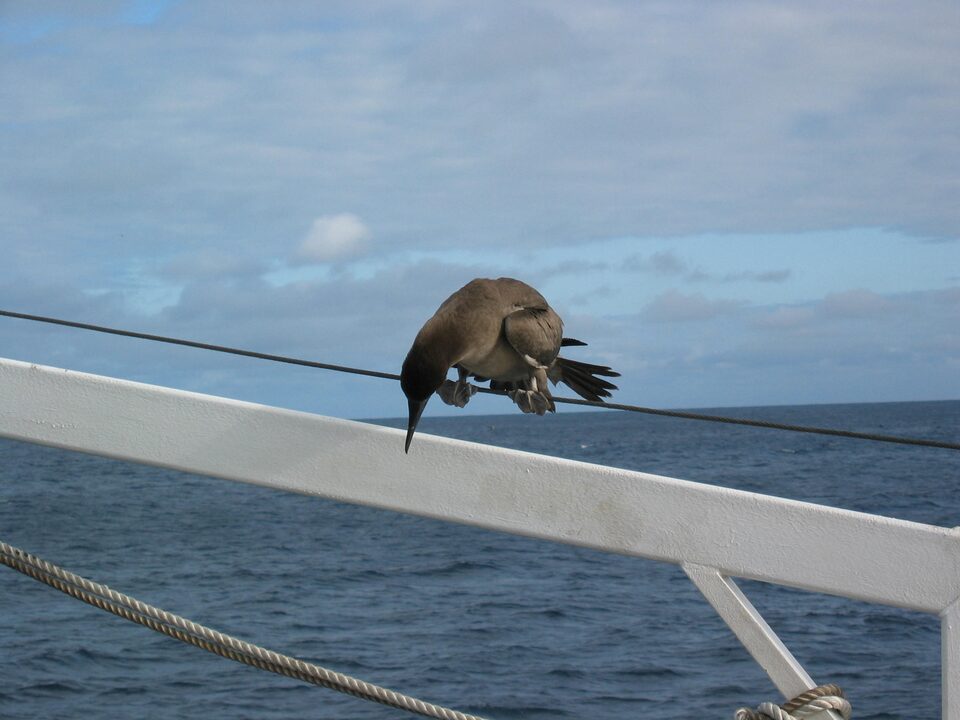
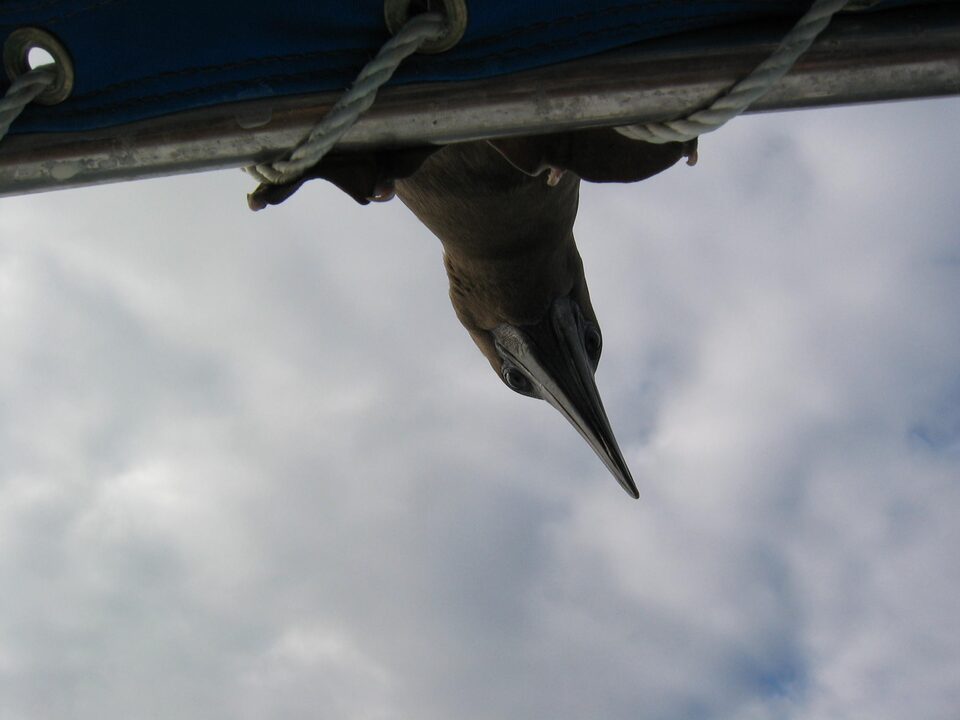
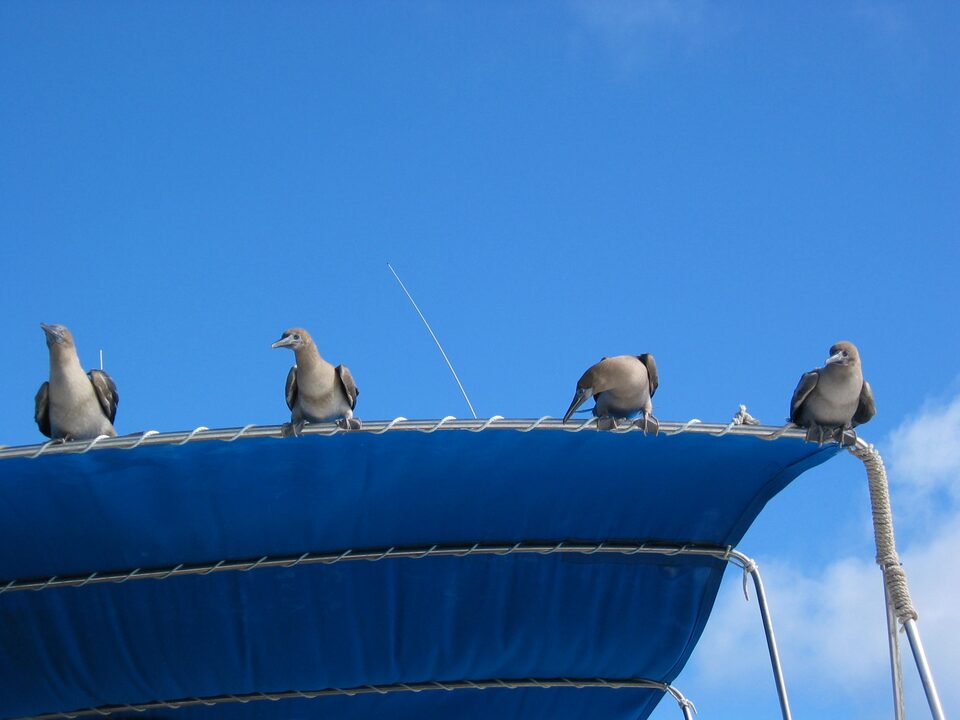
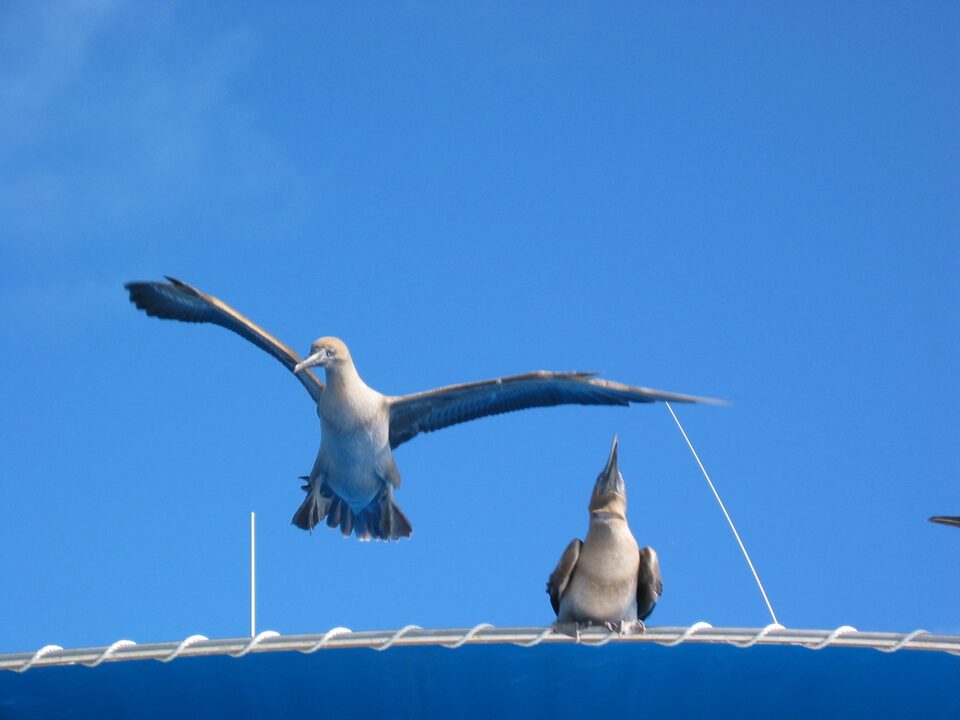
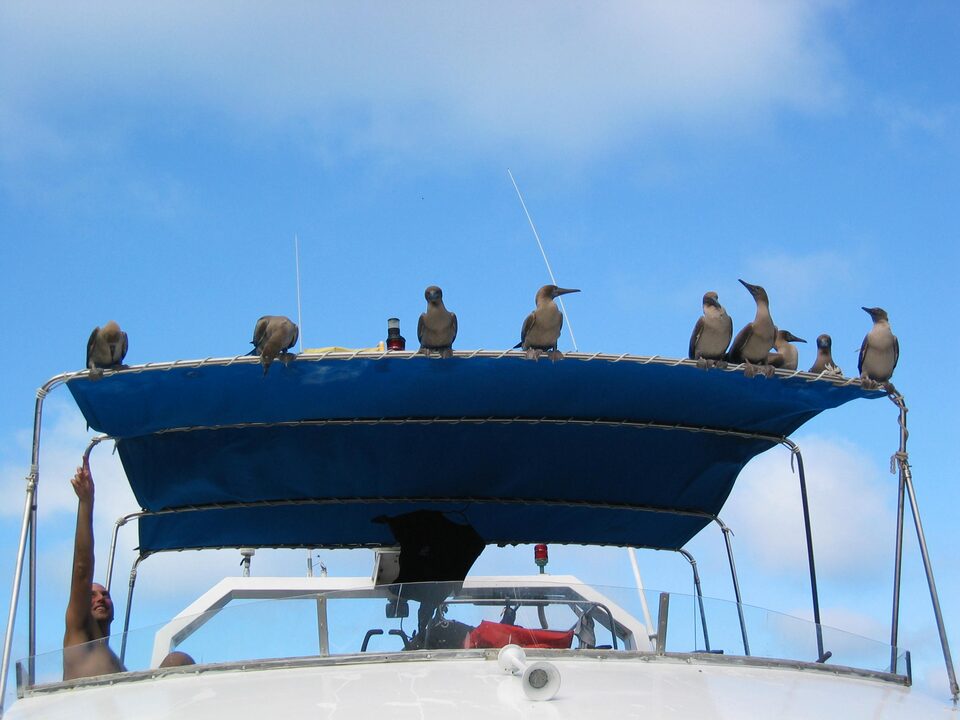
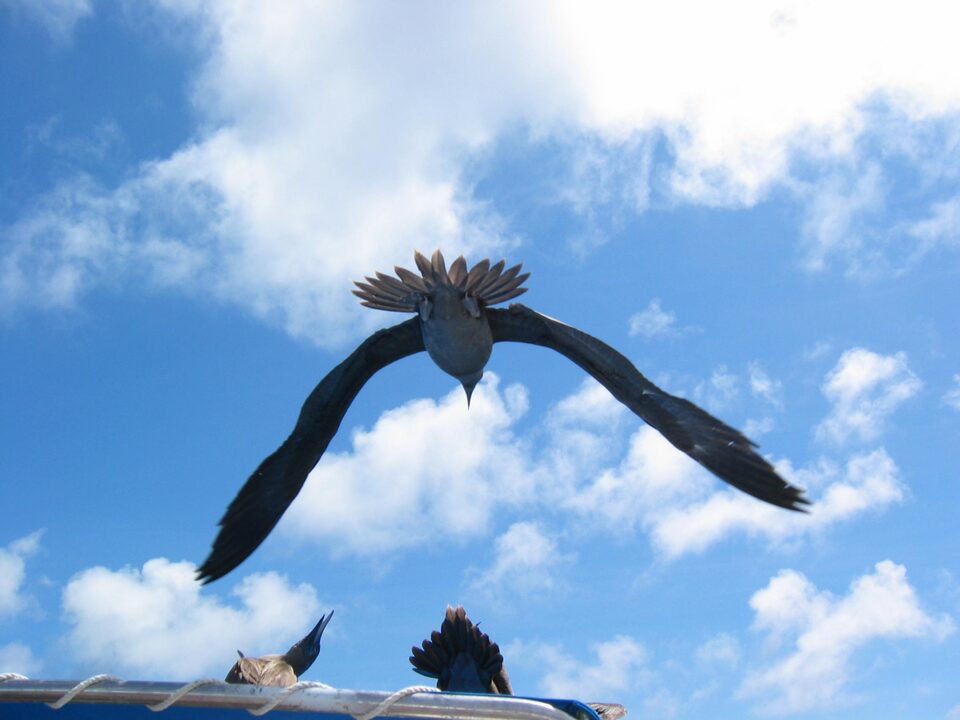
Boobies were the most fun of birds. When we arrived at Darwin, 10-20 juvenile boobies came to our boat and spent the whole day with us. They were extremely curious and playful. When we moved to Wolf they stayed with us until sunset and next day we had fresh boobies from Wolf.


Tortoises, Iguanas, Sealions etc.
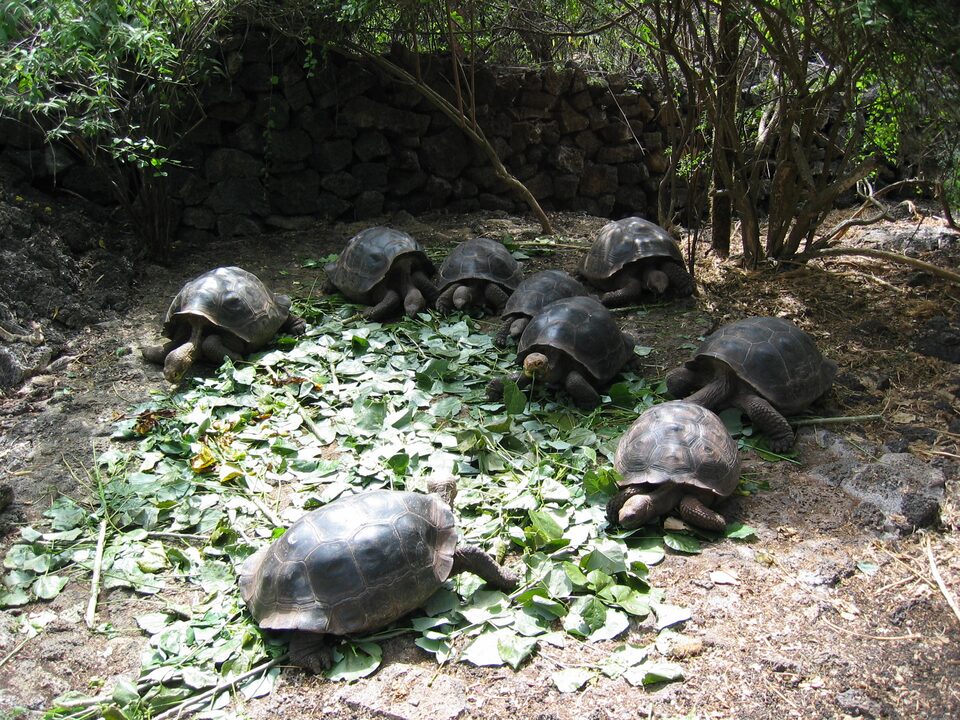
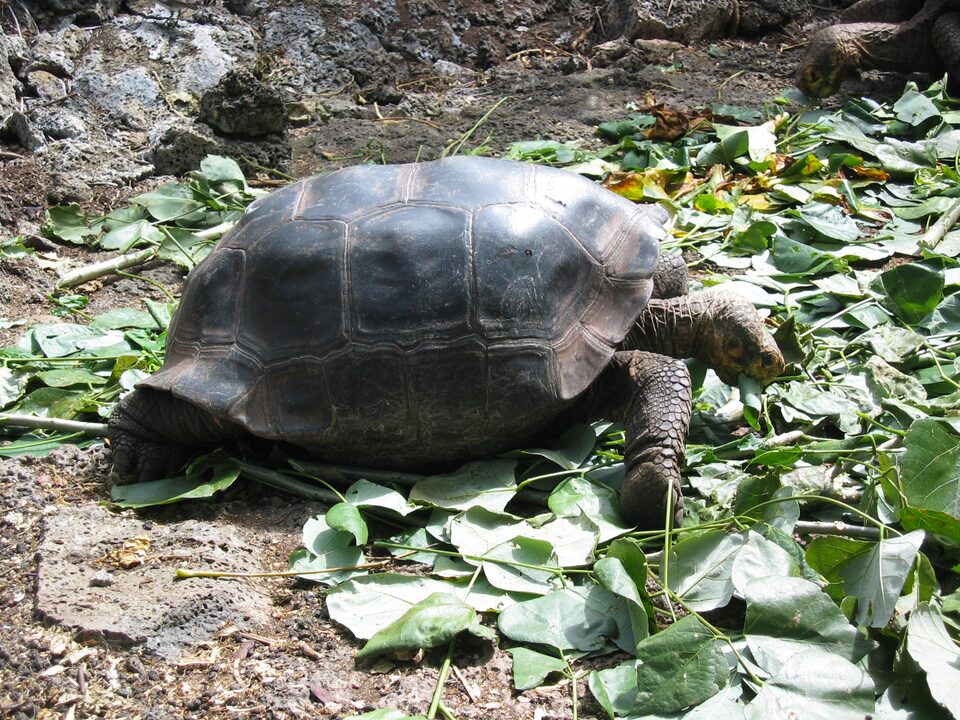
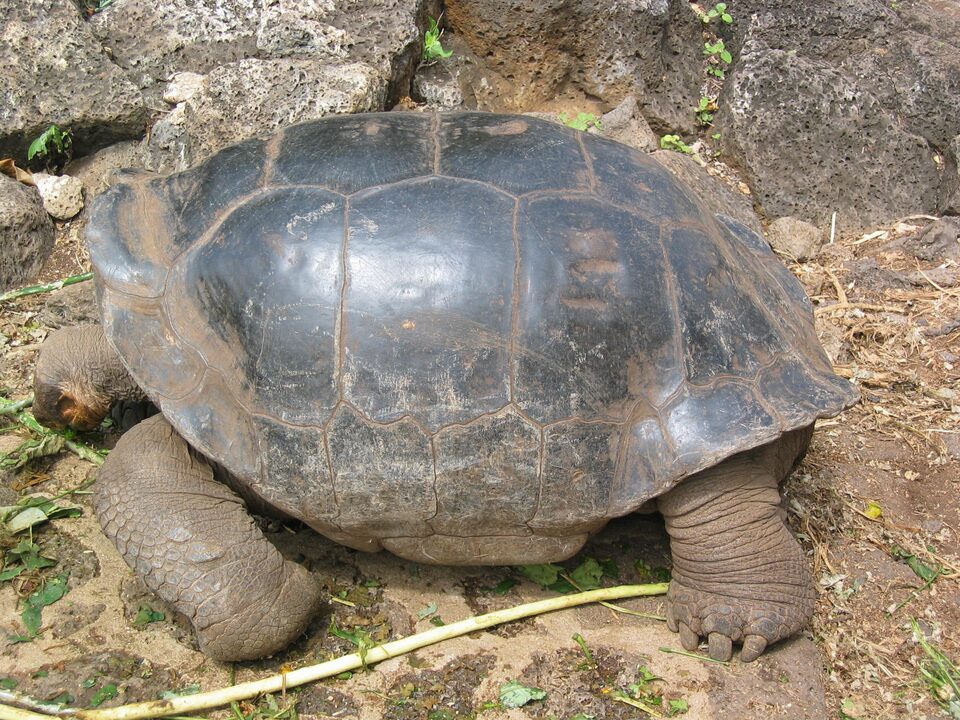
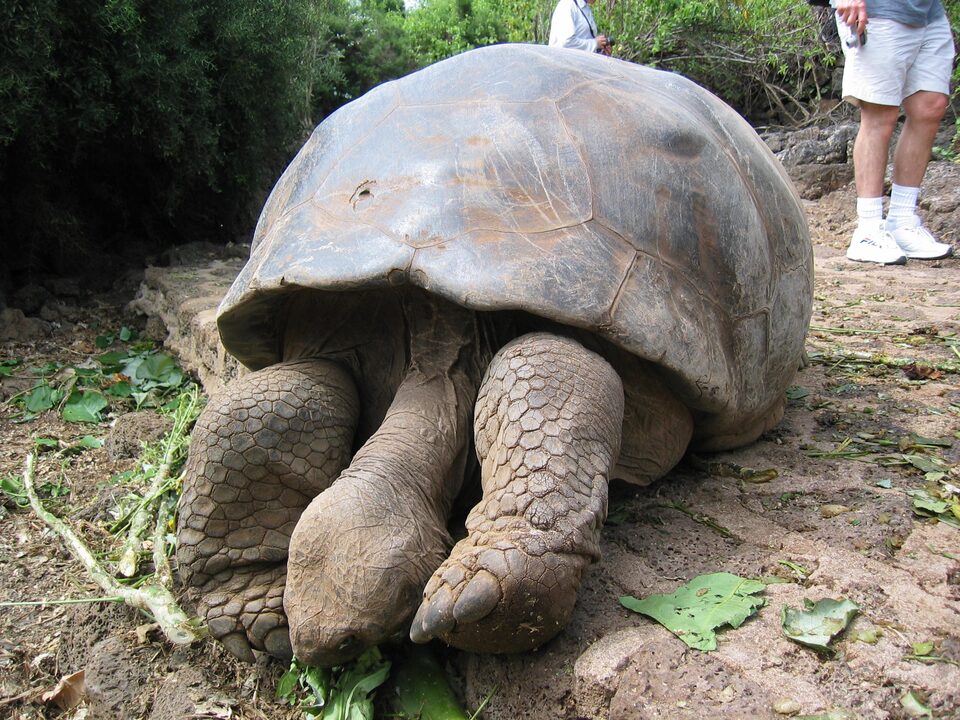
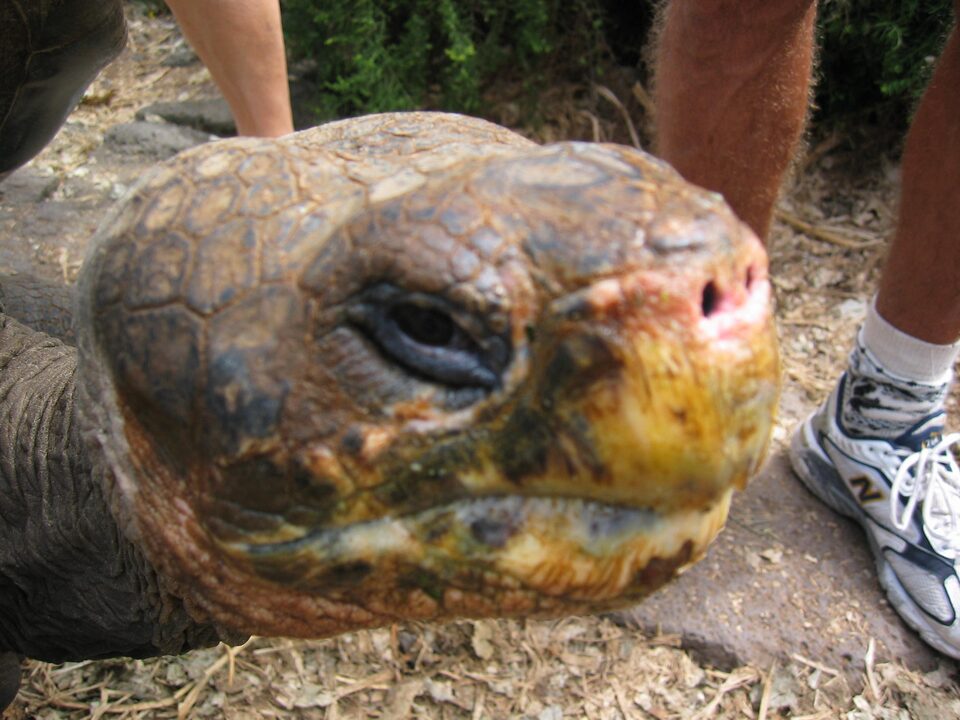
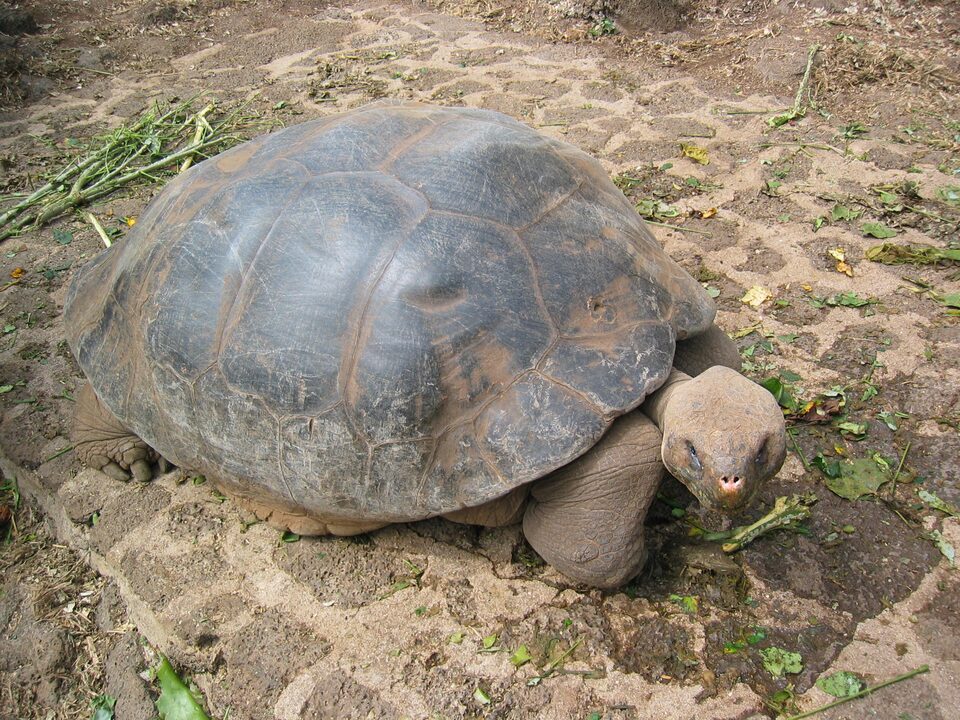
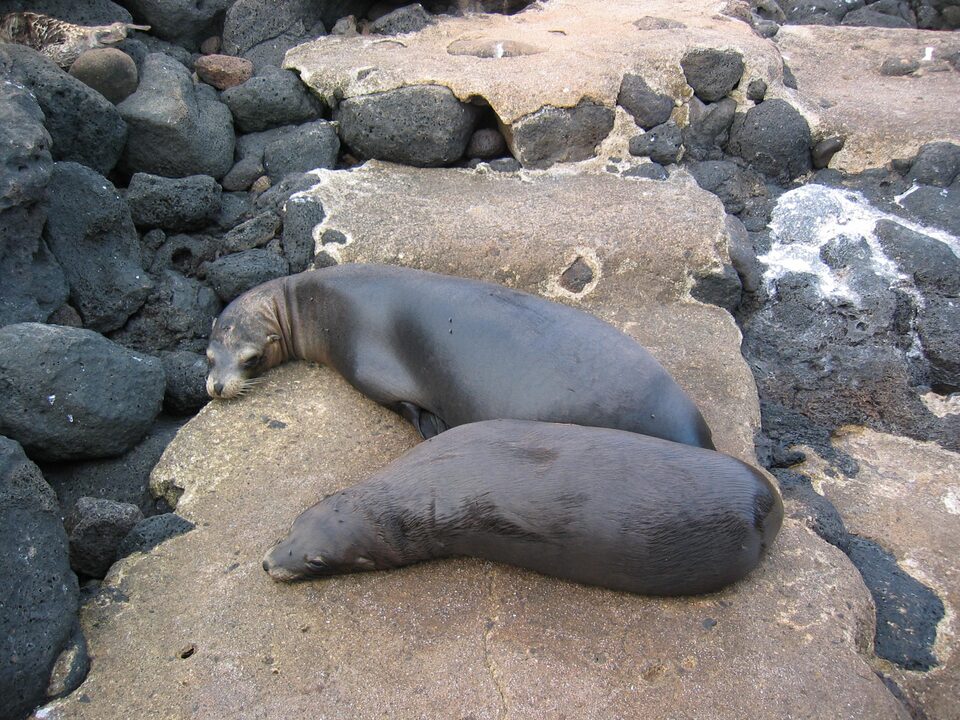
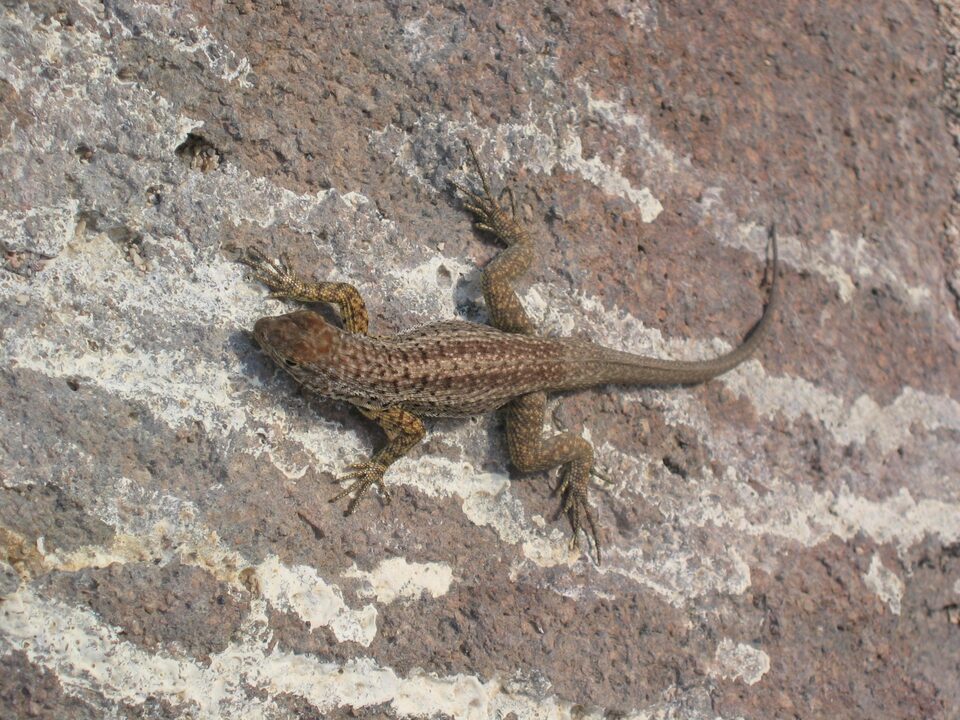
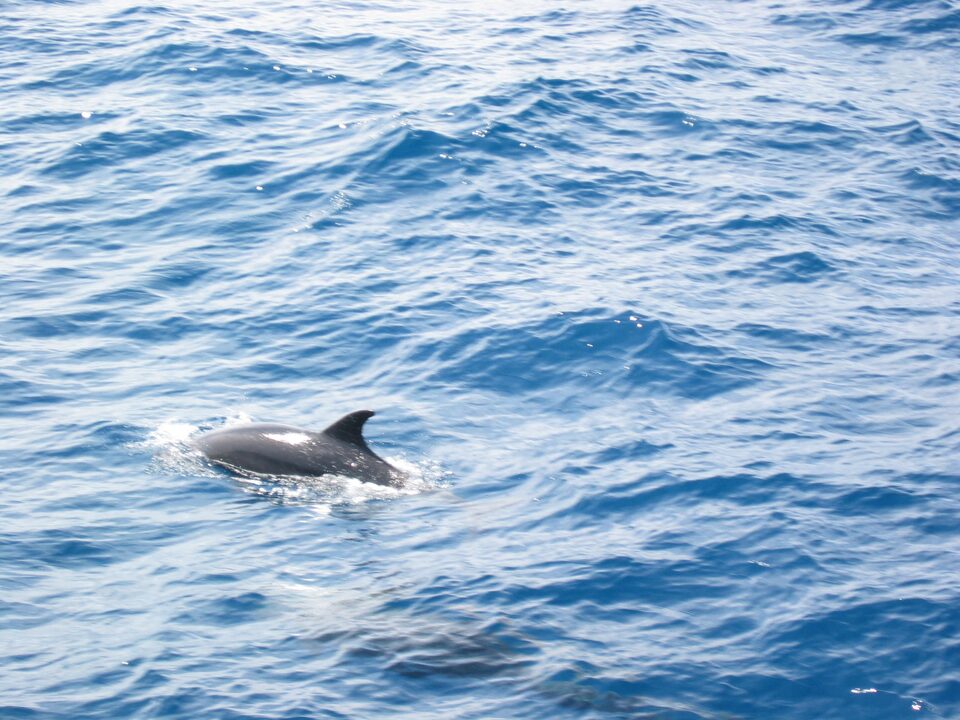
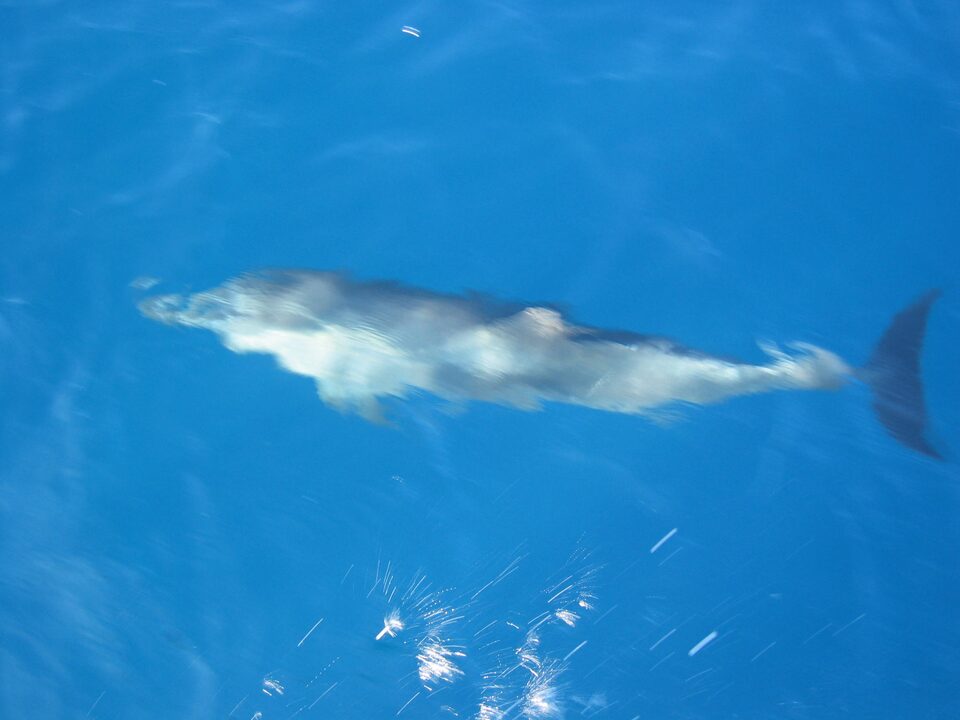
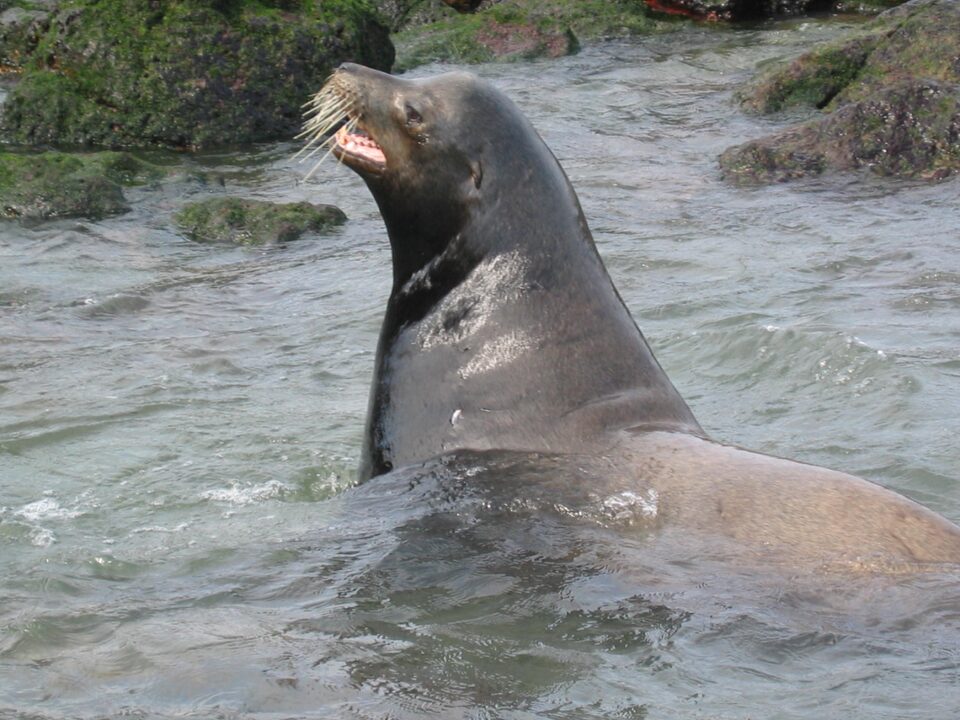
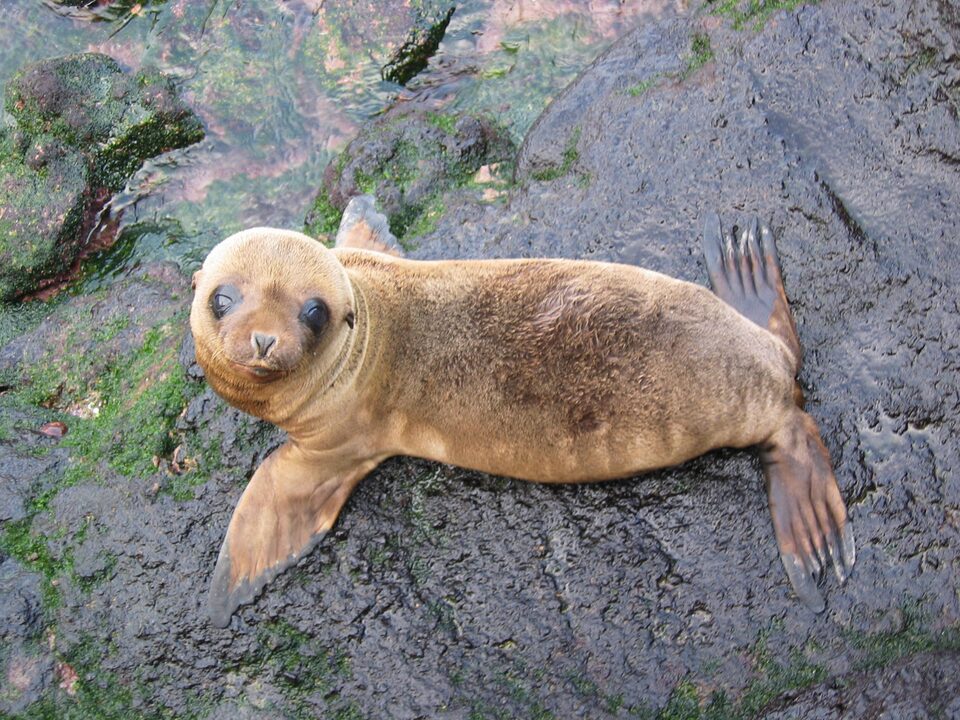
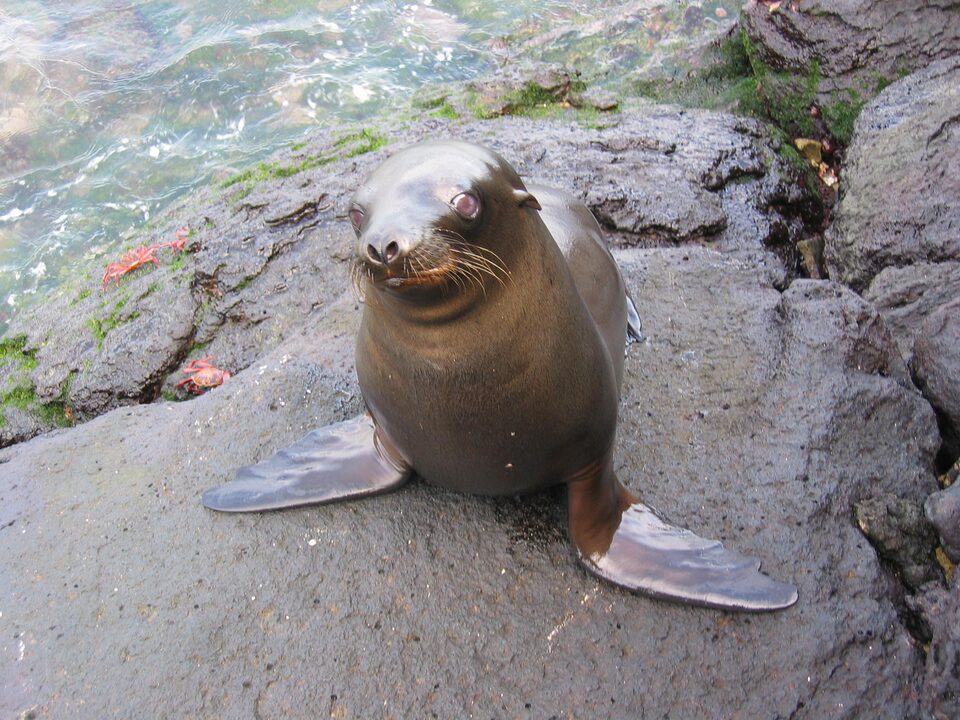
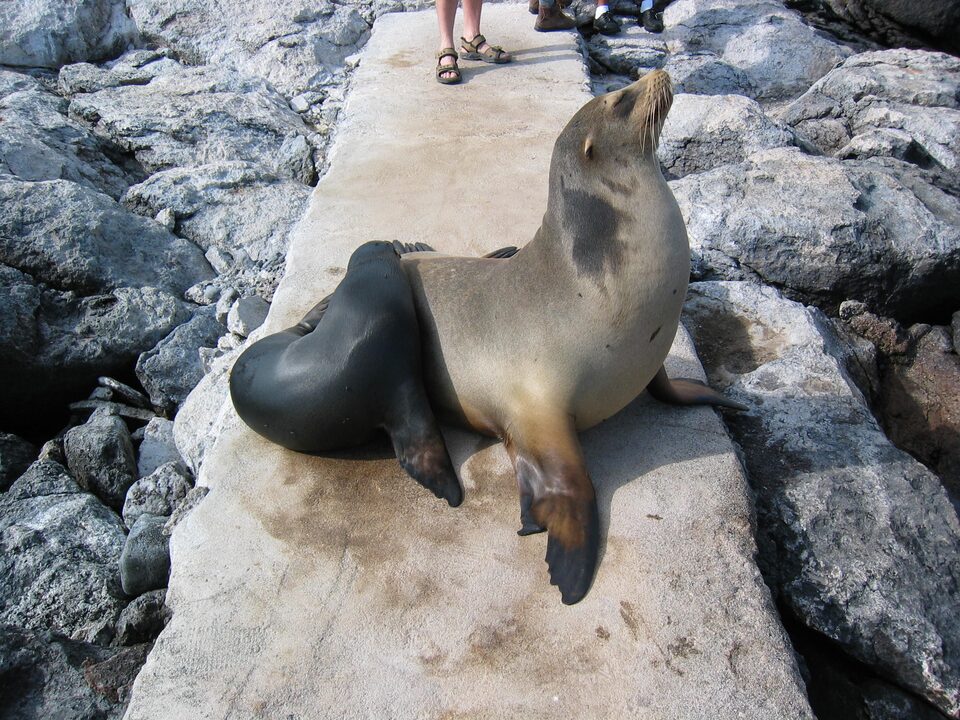
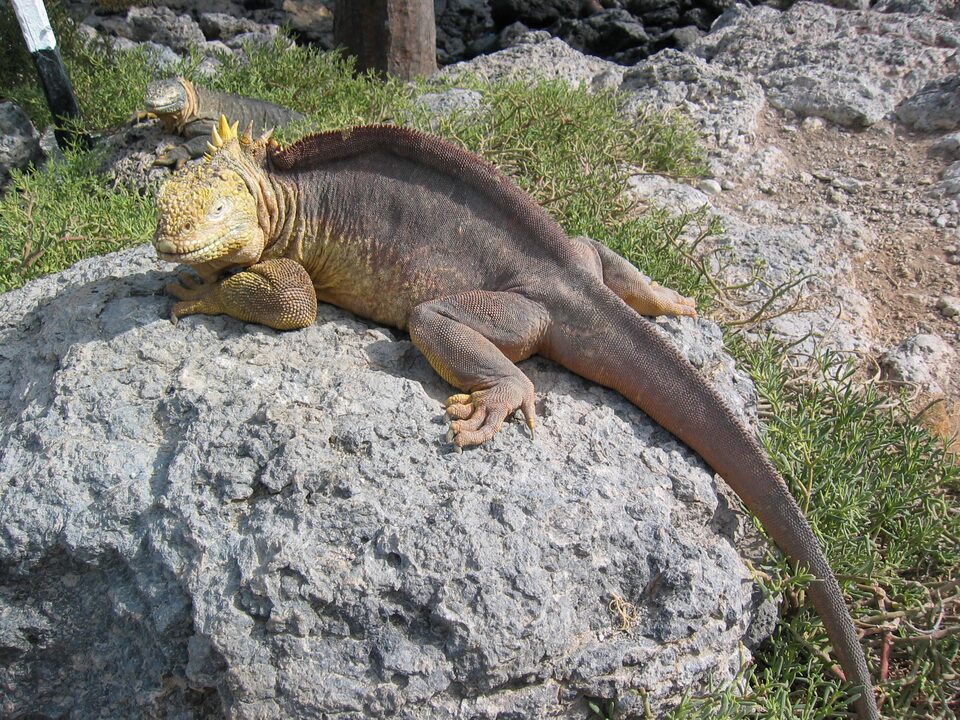
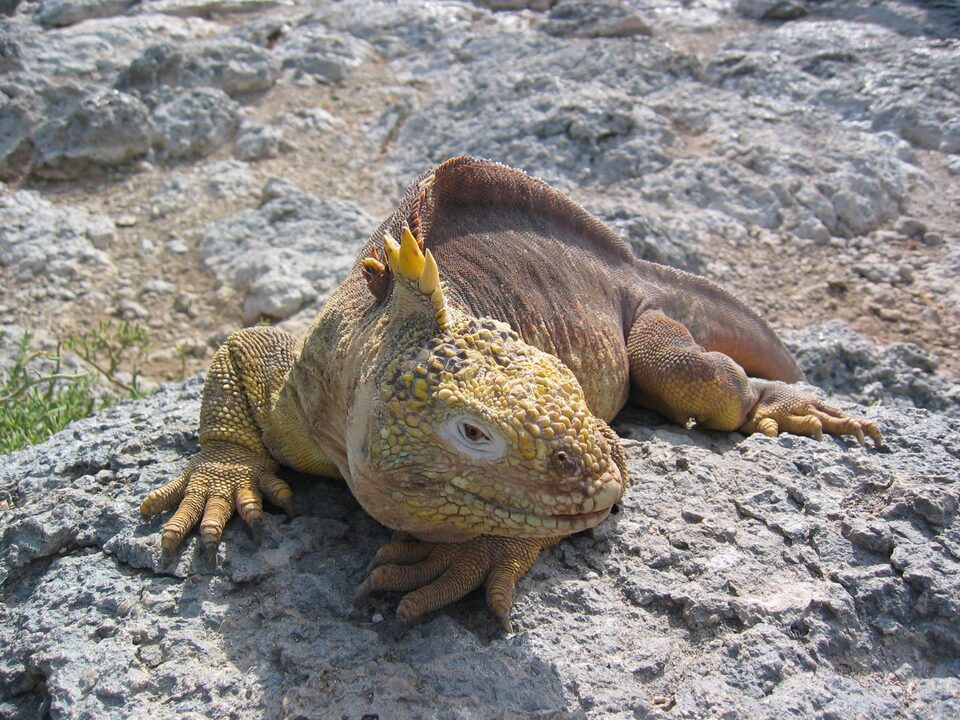
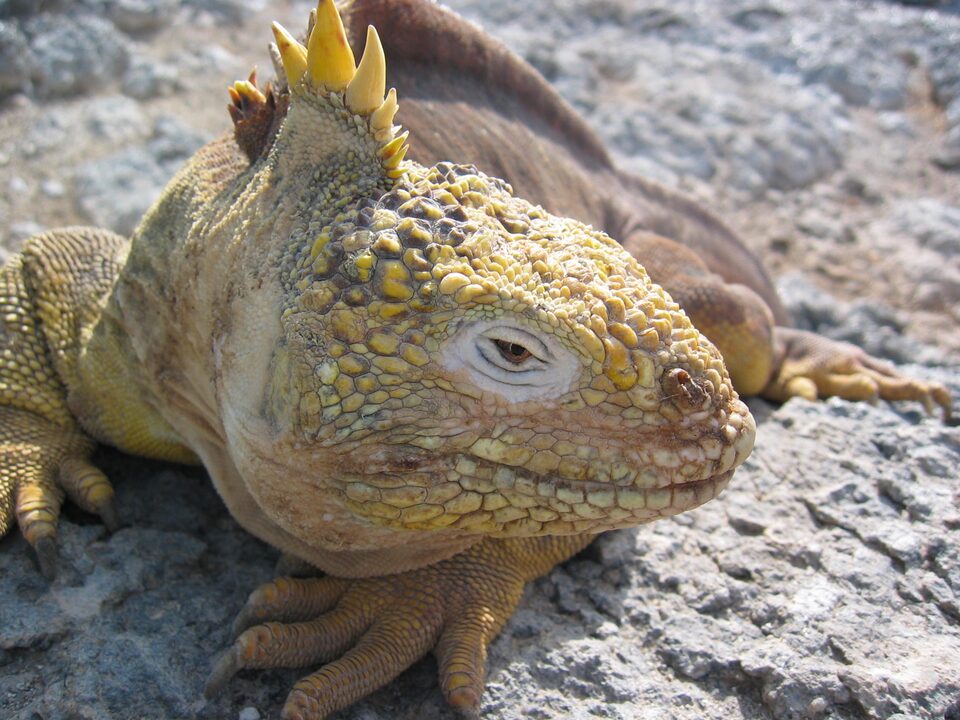
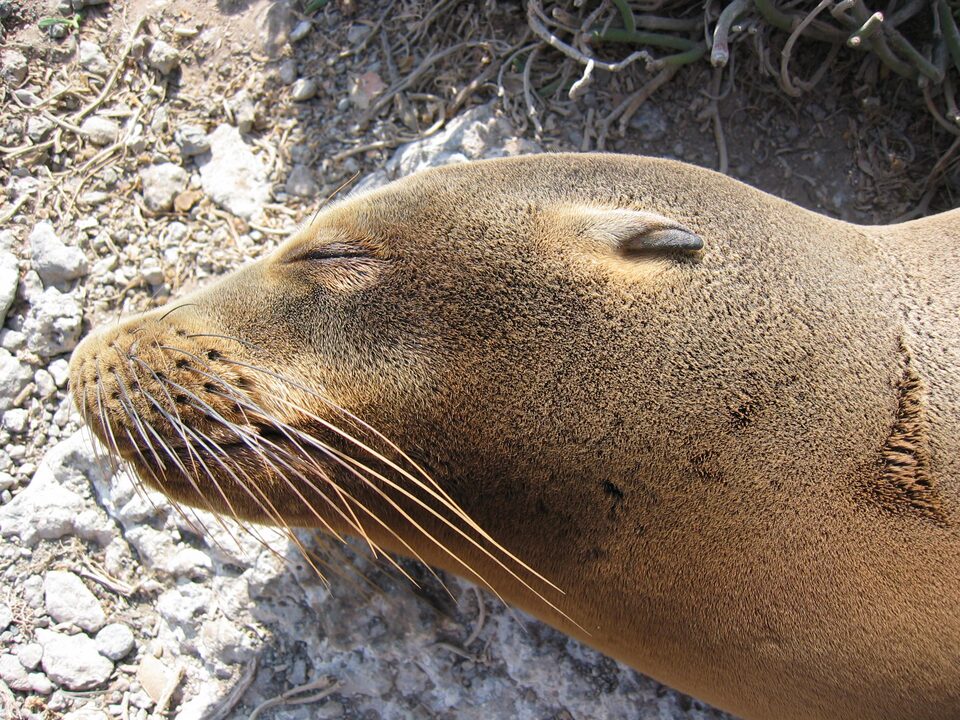
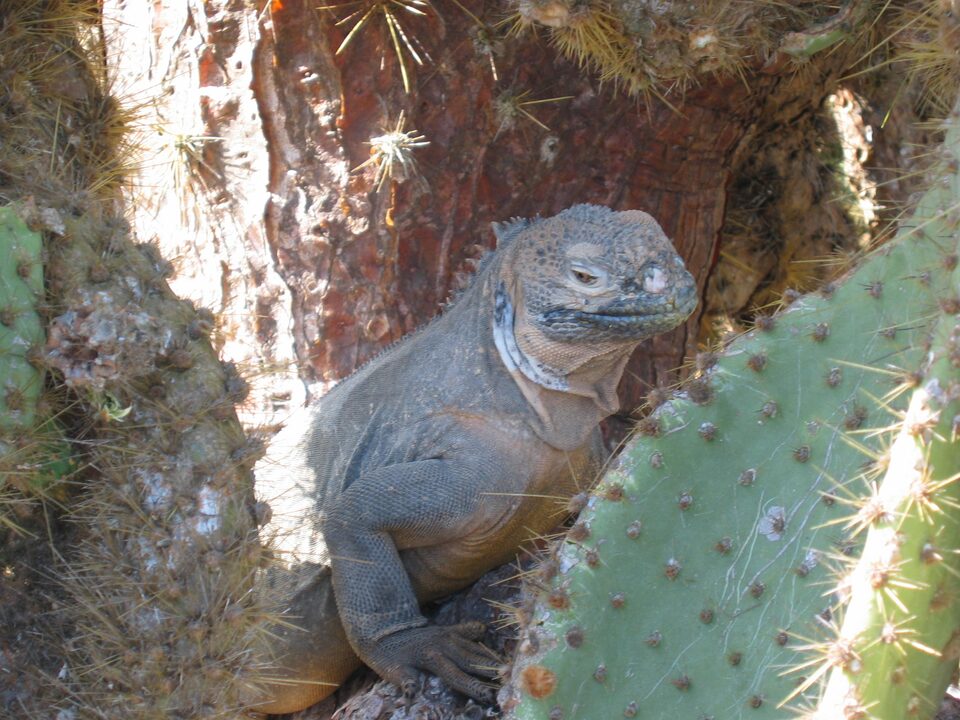
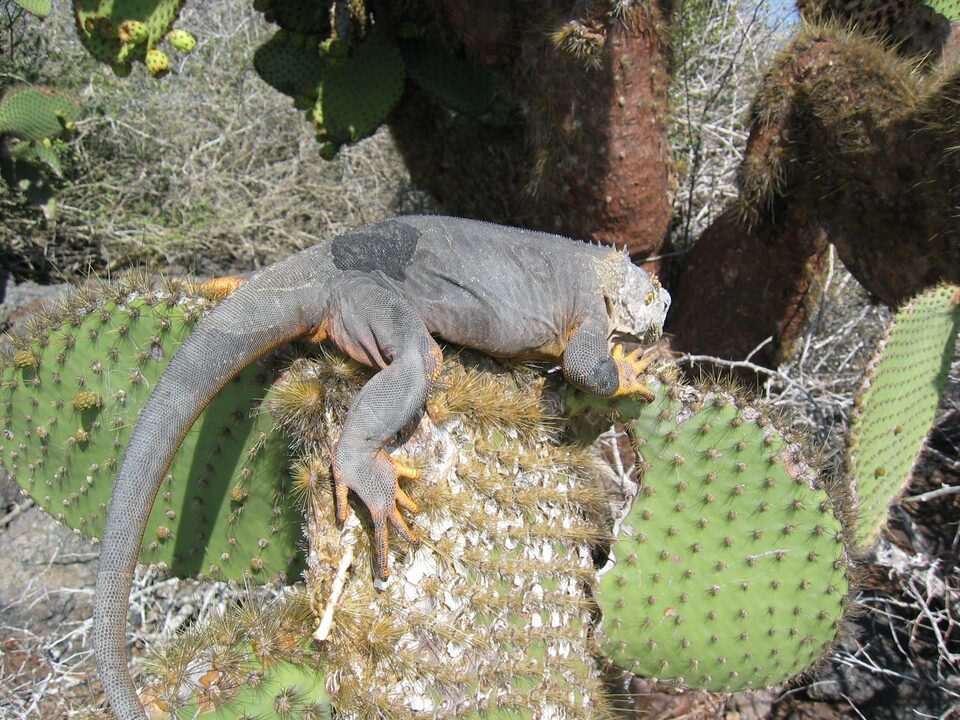
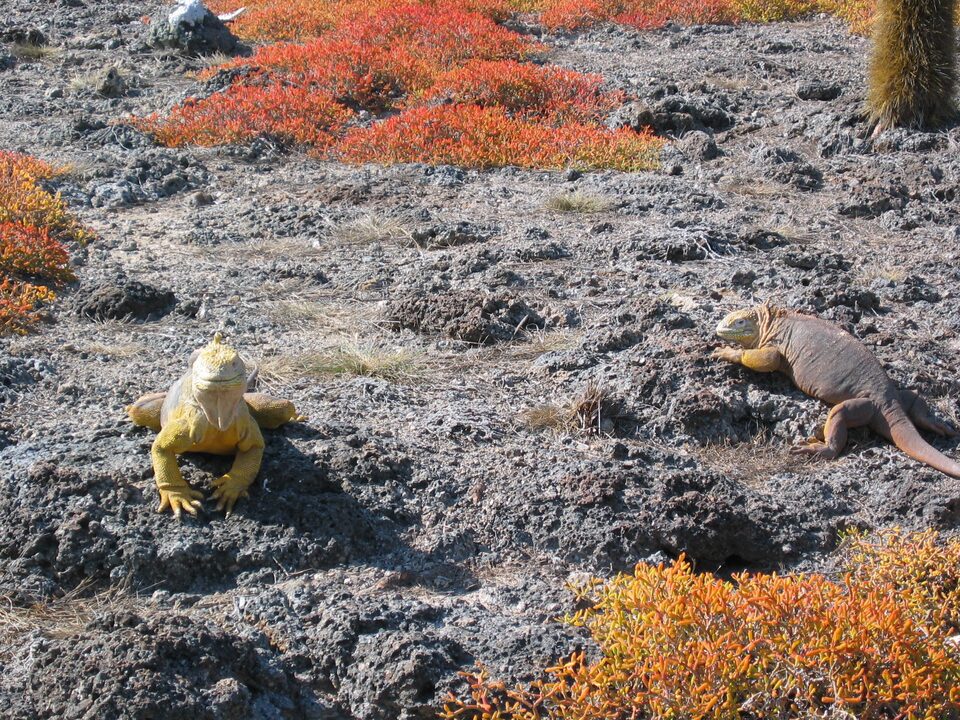
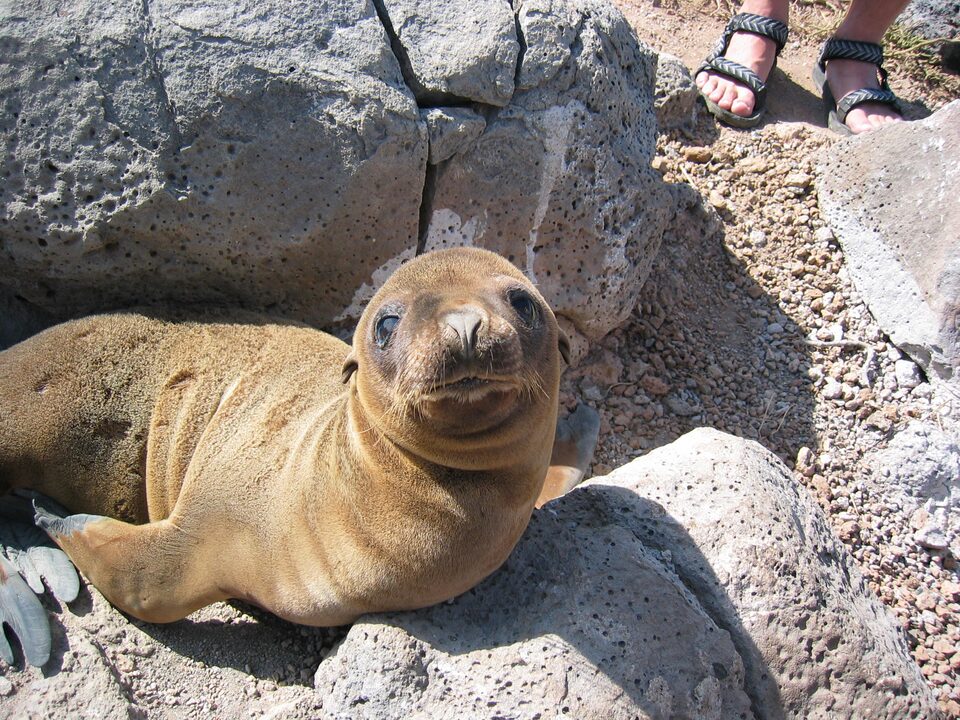
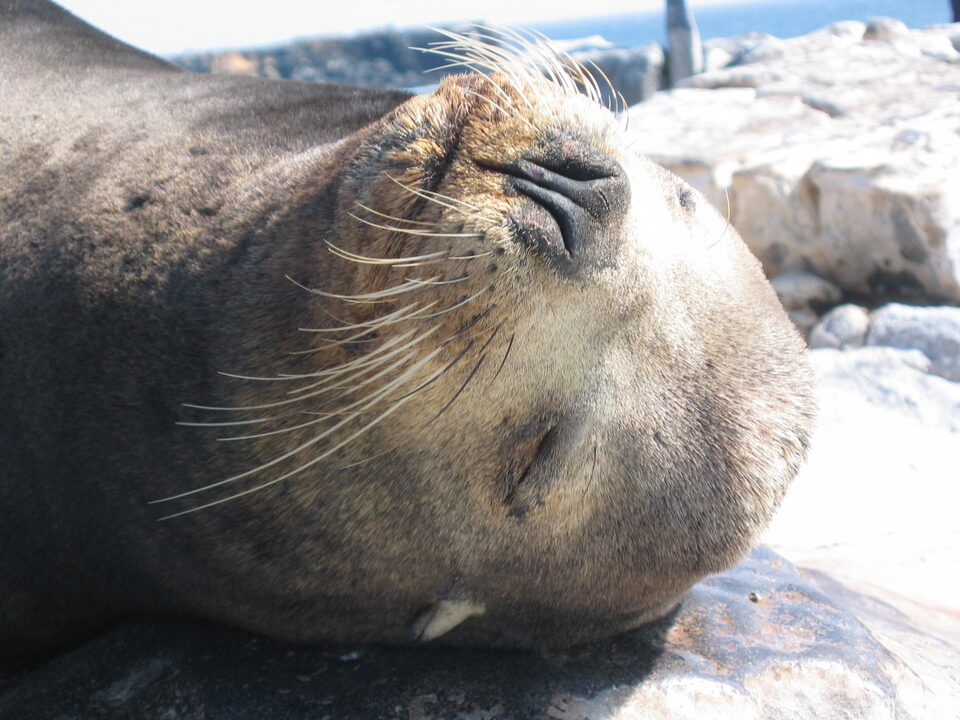
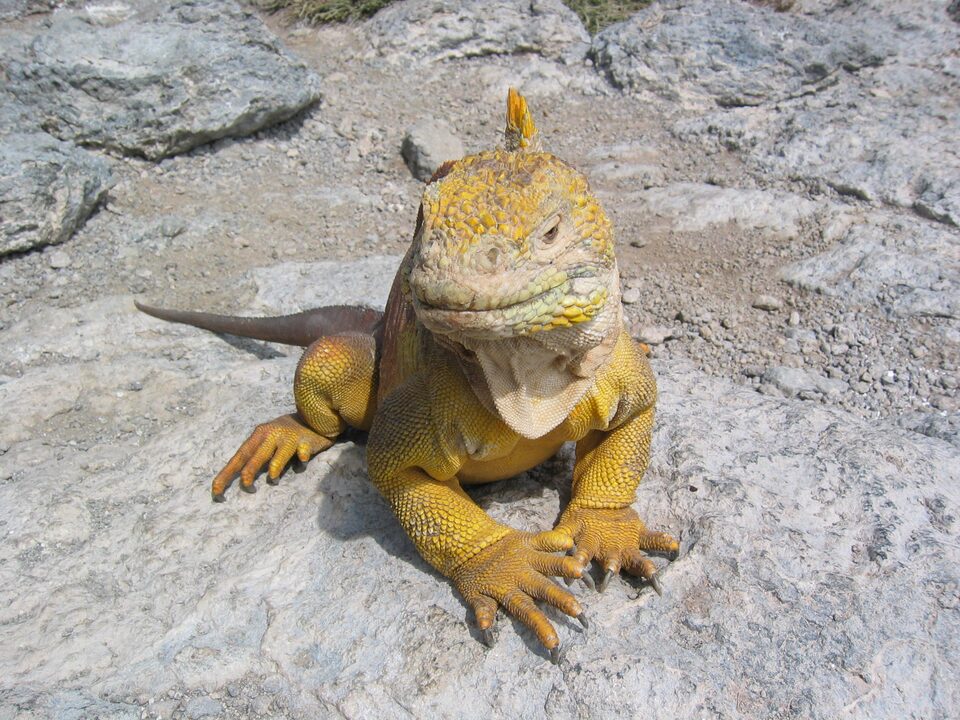
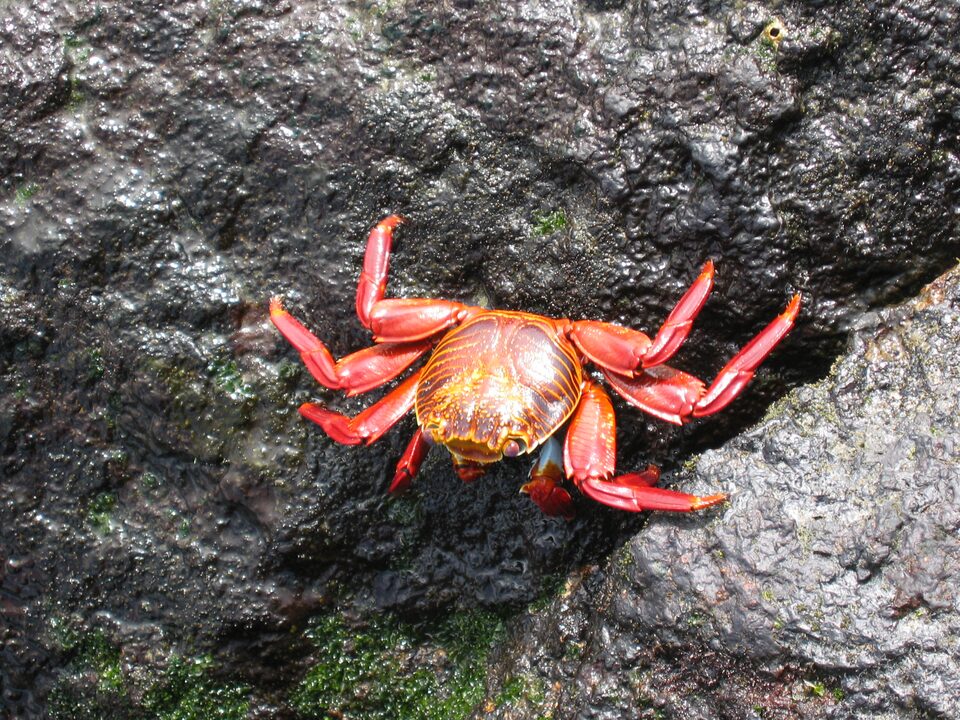
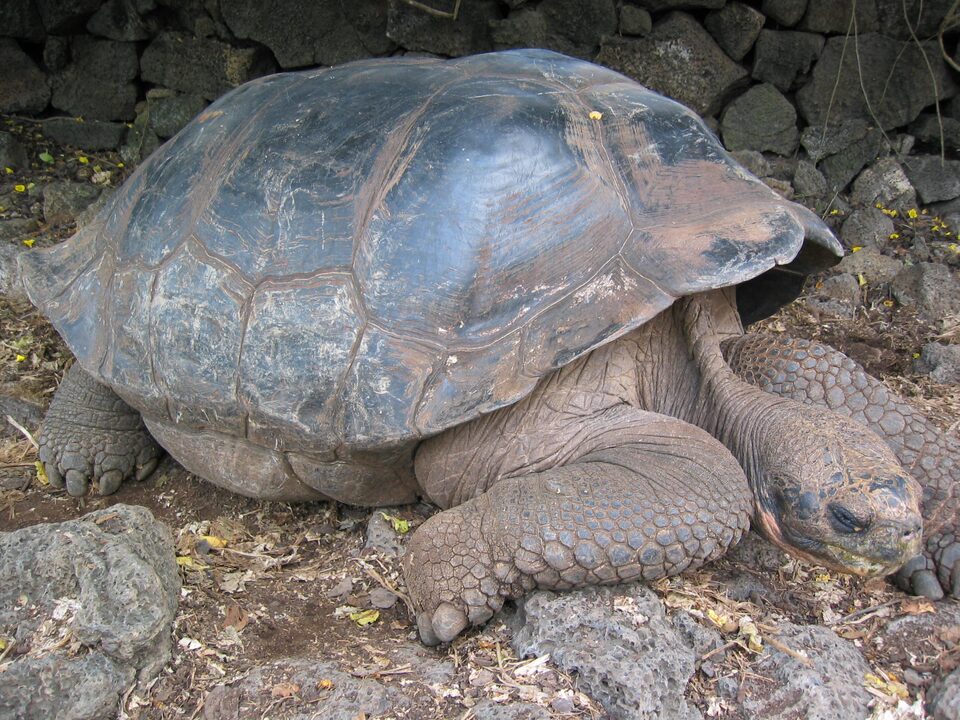
The name "Galapagos" comes from the big tortoises. Some of them have a shell that looks like a saddle and they were named "galapago" (saddle in old Spanish). Other famous animals are sea lions and iguanas.
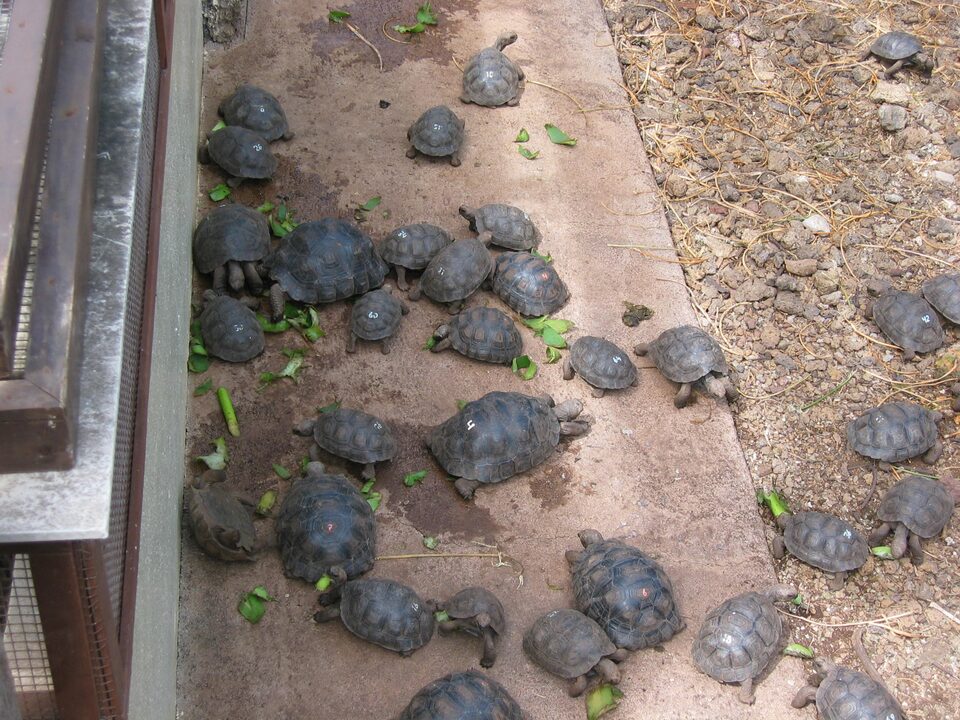
The giant tortoises were almost destroyed by man - only some 15000 - 25000 survive today. Animals (rats, goats, cats, dogs) introduced by man are now the biggest threat as they destroy baby tortoises. Darwin research station now raises the tortoises in a safe place and reintroduces them to their original island when they are big enough to survive.
Sea lions and iguanas can be seen in great numbers on many islands but giant tortoises live in hard-to-reach places and we only saw them in Darwin research station.
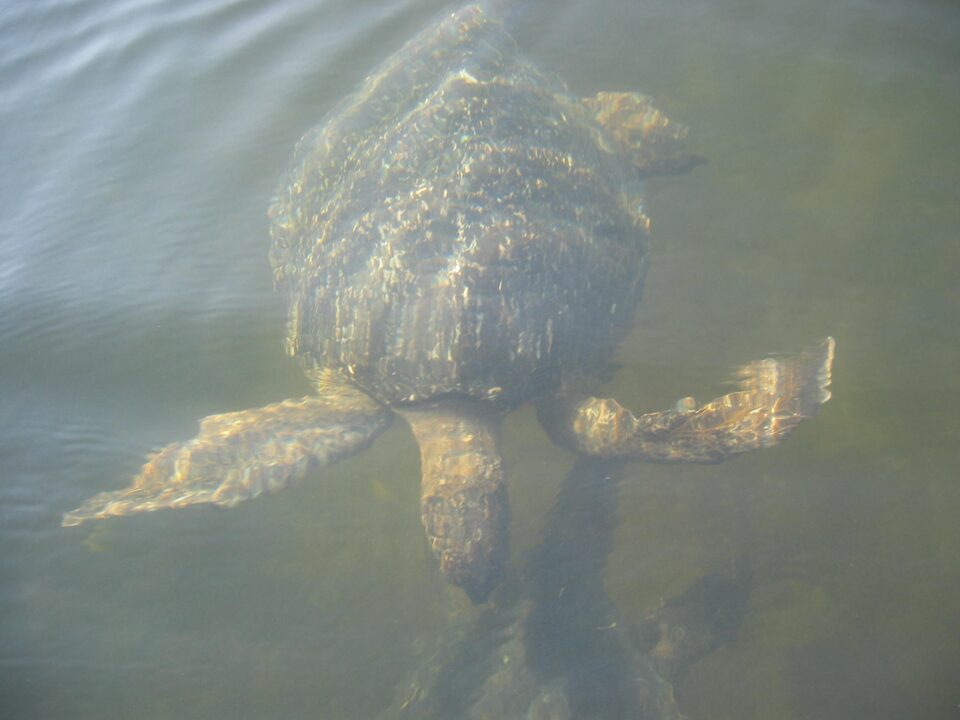
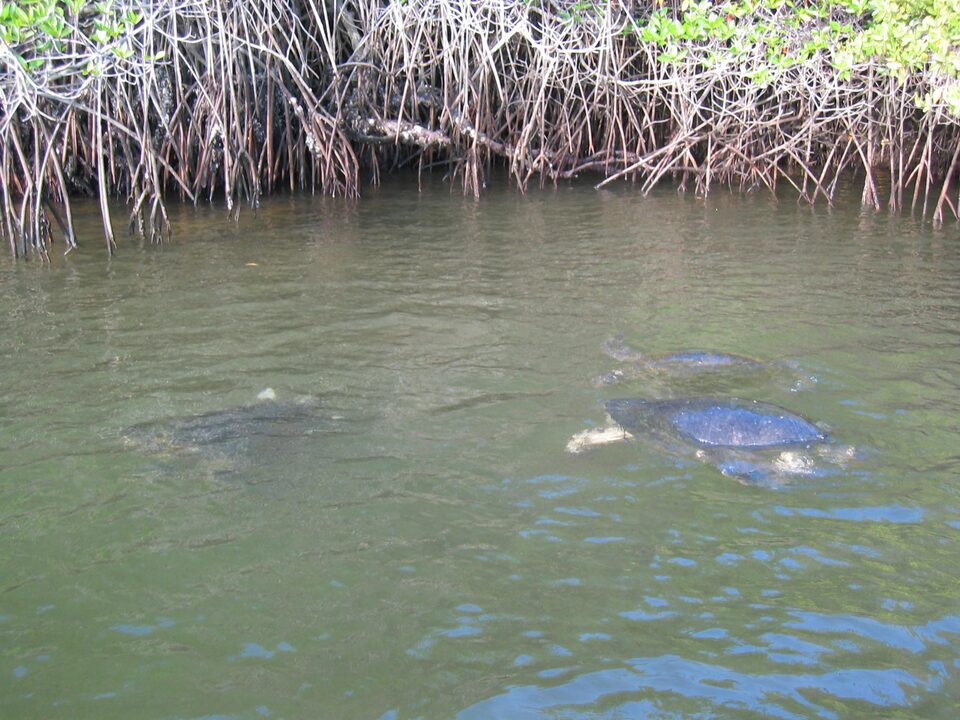
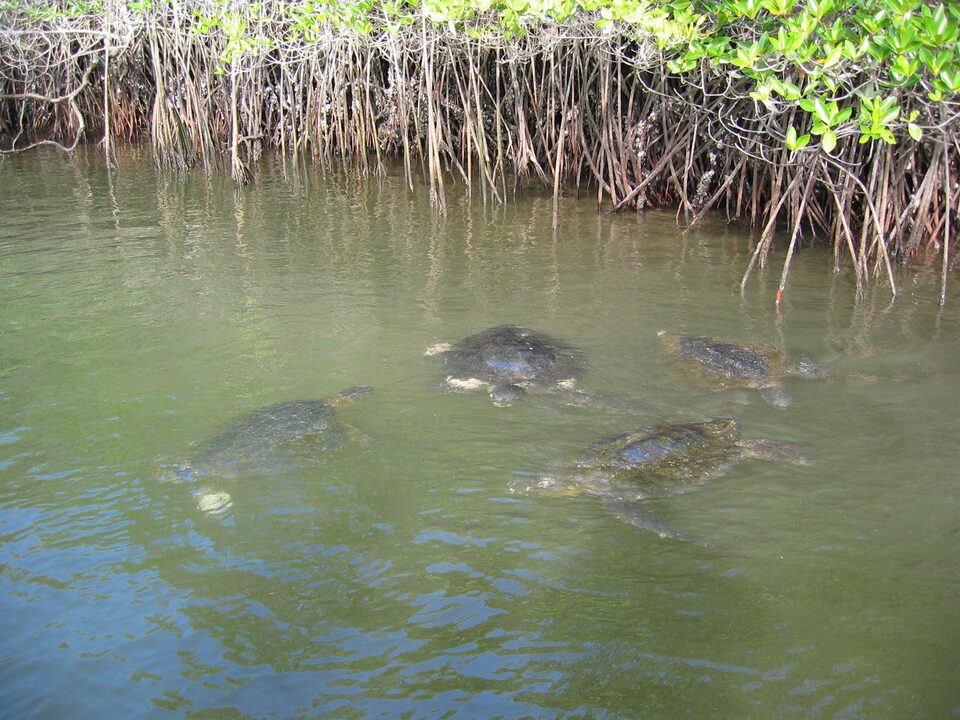
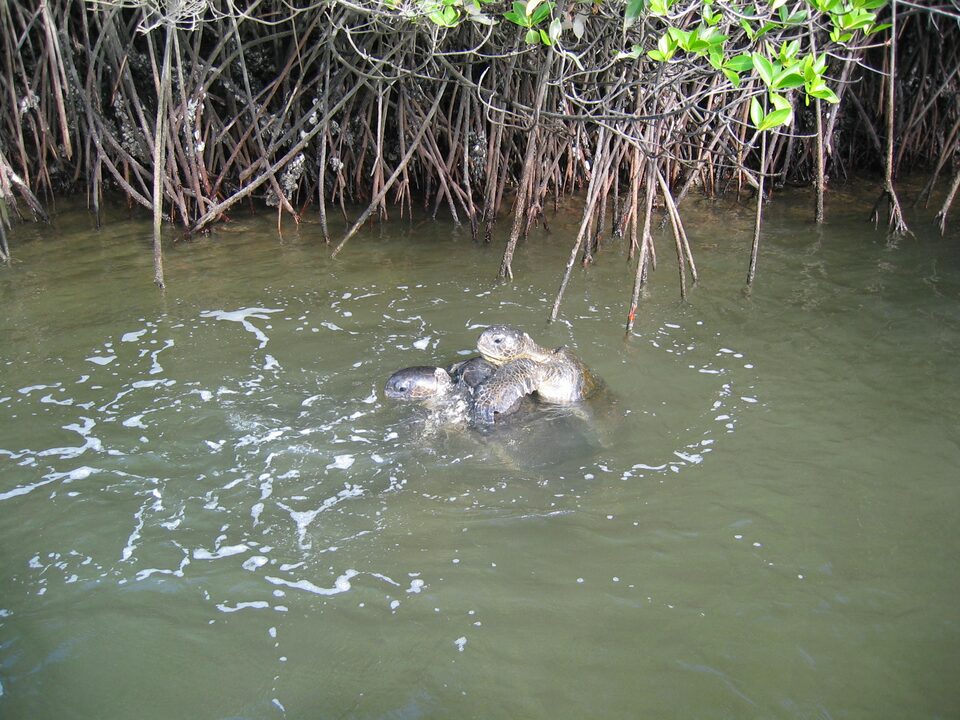


Galapagos - Flora


Dive boat Mistral
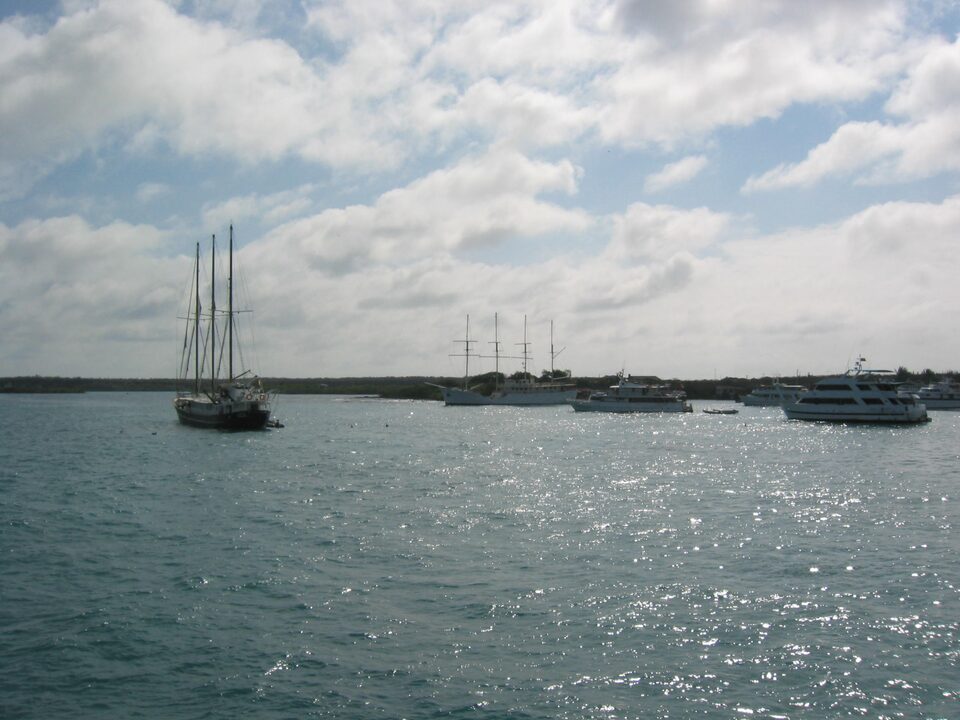
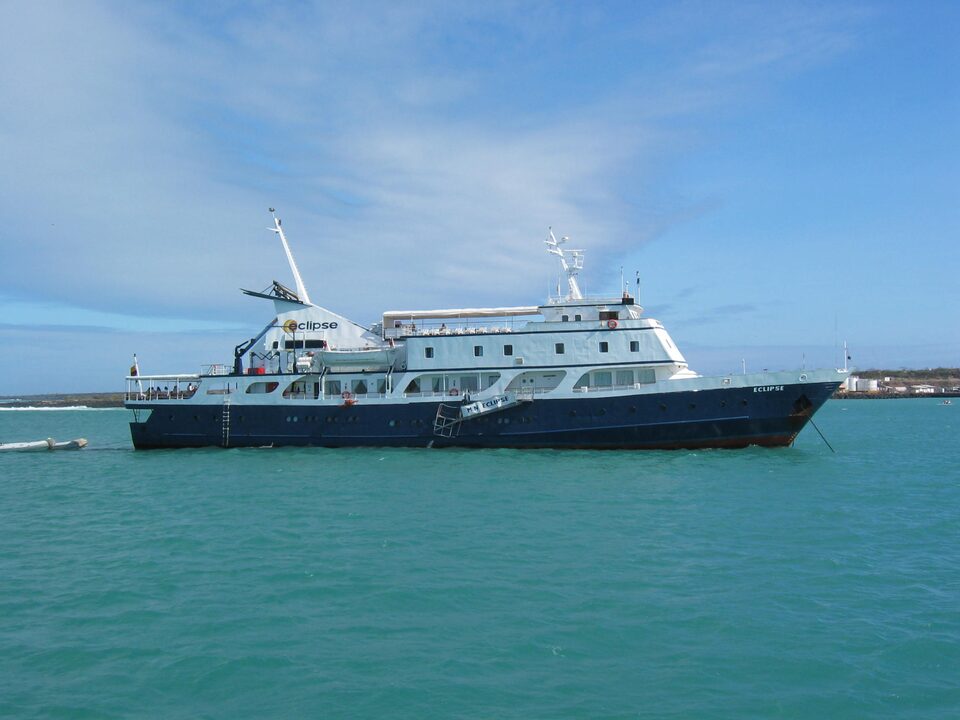
We spent one week on board Mistral. Mistral is a 22m long steel boat that takes up to 12 passengers and specialises in diving trips. The boat was pretty comfortable and offered a mixture of great diving and land visits.


